


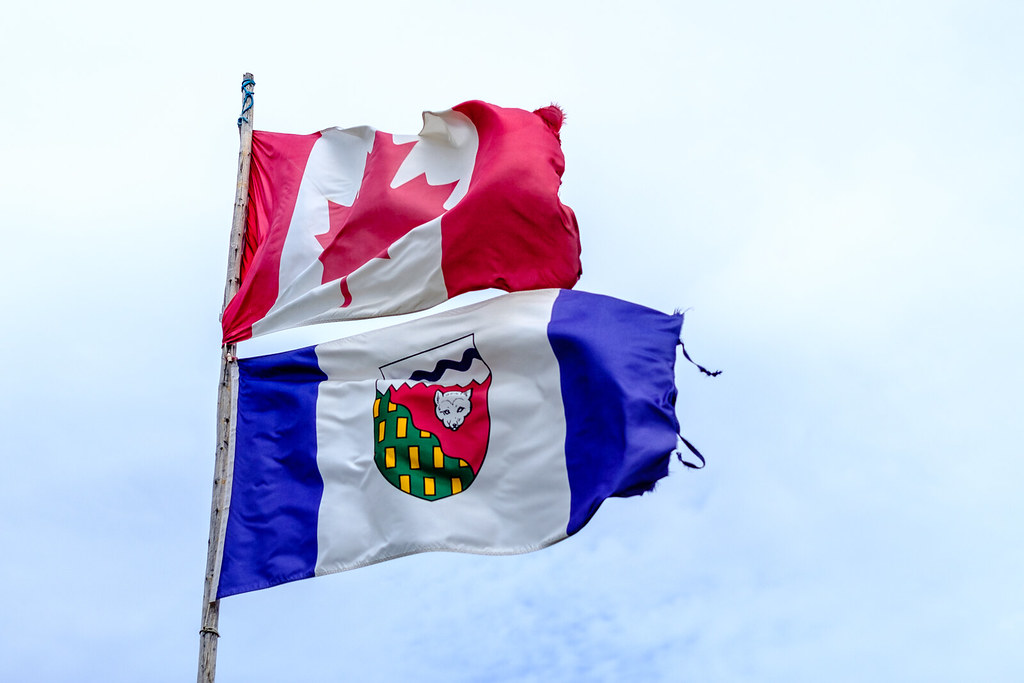
Fort Good Hope, Canada: A Closer Look at Life in the Remote Northern Community (VIDEOS)
Far from Canada’s busy cities lies a little-known northern community where the wilderness remains part of everyday life, traditional heritage endures, and a simple cabin can offer a memorable stay.
When my friend travelled to Fort Good Hope in Canada’s Northwest Territories on a company assignment, he discovered a place unlike the Canadian cities many people imagine.
He was thrilled by the natural surroundings, distinctive way of life and quiet atmosphere. His cabin-style accommodation offered comfort while keeping him close to the wilderness.
VIDEO: Cabin-style accommodation in Fort Good Hope.
571a17b2-f599-46ef-bf1e-355014b39541
The reported cost was about C$200 per night, a figure that might make some travellers hesitate. Yet his experience raised questions about tourism and affordability.
Fort Good Hope had an estimated 584 residents as of July 1, 2025, according to the Northwest Territories Bureau of Statistics. It lies beside the Mackenzie River.
Known traditionally as K’asho Got’ı̨nę, the community has deep Dene roots. Its heritage, history and relationship with the land remain central to its identity.
Visitors can explore the dramatic limestone cliffs called the Ramparts, Old Baldy Trail and the historic Church of Our Lady of Good Hope.
These attractions offer more than scenic views. They reveal a landscape and history that distinguish Fort Good Hope from conventional holiday destinations.
However, the community’s most surprising feature may be its changing daylight. During winter, nine o’clock in the morning can still resemble night.
Imagine looking outside at 9 a.m. and seeing darkness reminiscent of late-night Lagos. Your body says breakfast, but the window seems to suggest bedtime.
Because Fort Good Hope lies near the Arctic Circle, winter days can be short, while summer brings exceptionally long daylight. The experience changes dramatically with the seasons.
As the saying goes, “Every place has its own rhythm.” In Fort Good Hope, nature helps set that rhythm, shaping the experience of residents and visitors alike.
The surrounding wilderness creates opportunities for photography, walking and nature-based tourism. Community-led cultural experiences could also introduce visitors to Dene heritage respectfully and meaningfully.
VIDEO: Road infrastructure in Fort Good Hope, Northwest Territories.
7b6ef6ce-c240-4b63-8160-10f1a00ee16c
The roads offer another glimpse of daily life in this remote settlement. Reliable transport connections matter for residents, businesses and the delivery of essential supplies.
Fort Good Hope also has a small airport with a gravel runway measuring approximately 4,434 feet long and 98 feet wide, according to territorial records.
VIDEO: Fort Good Hope Airport, an essential transport link for the community.
The airport connects residents with other settlements and services. Any improvements should consider passenger needs, safety, operating costs and the environmental conditions of northern aviation.
Accommodation presents another challenge. Although my friend reported paying about C$200 nightly, this single experience does not establish the community’s average room rate.
Transporting building materials and supplies to remote locations can be expensive. These costs may influence accommodation prices, although the reasons behind his reported rate remain unverified.
More locally operated cabins, lodges and bed-and-breakfast establishments could widen visitors’ choices while creating income opportunities for residents.
Yet tourism is only part of the story. Housing, food costs, transportation and healthcare remain important concerns for people who call Fort Good Hope home.
The 2024 Northwest Territories Community Survey found that 36 per cent of Fort Good Hope households were in core housing need, highlighting a significant local challenge.
Remote communities may depend on aircraft, seasonal roads and river transport for supplies. These arrangements can complicate deliveries and contribute to the cost of everyday essentials.
Fort Good Hope provides local healthcare services, but some patients must travel elsewhere for treatment. Reliable transport is therefore essential when specialised care becomes necessary.
The proposed Mackenzie Valley Highway could improve all-season connections through the Mackenzie Valley, potentially creating new opportunities for communities along its planned route.
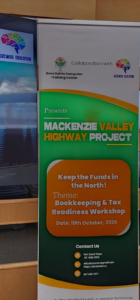
In September 2026, Canada announced C$405 million to advance the highway project and related infrastructure. This funding does not mean the entire highway is fully funded or approved.
If the project progresses, local businesses could benefit from construction contracts, accommodation demand, transport services and other commercial opportunities linked to infrastructure development.
However, lasting benefits will depend partly on whether northern residents and Indigenous-owned businesses gain meaningful access to employment, training and procurement opportunities.
The phrase “Keep the Funds in the North” raises an important question: how much of this investment will strengthen the communities expected to live with its consequences?
A road may connect distant places, but local participation helps turn infrastructure spending into lasting economic opportunities. Development must benefit residents, not simply pass through their homeland.
Fort Good Hope does not need to become another crowded city to thrive. Its natural beauty, cultural heritage and distinctive seasons already give it a character worth protecting.
What matters is whether residents can access adequate housing, dependable transport, healthcare and opportunities to build secure futures without feeling compelled to leave.
My friend’s visit revealed the appeal of a cabin surrounded by northern wilderness. Yet a memorable visitor experience must go hand in hand with better everyday living conditions.
For international readers, Fort Good Hope offers a glimpse of Canada beyond familiar skylines. Its story brings together wilderness, Dene heritage, unusual daylight and the realities of remote living.
Ultimately, progress should preserve what makes the community distinctive while expanding opportunities for its people.
A brighter future means more than attracting visitors; it means giving residents reasons to stay.




















Leave a comment