


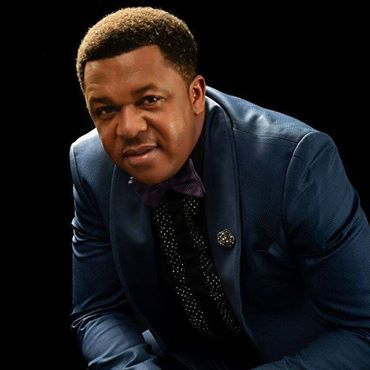
By: Chioma Madonna Ndukwu
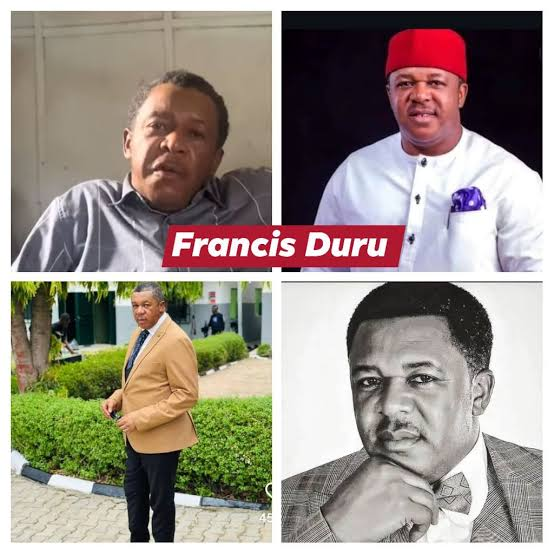
The WayWe Live: Francis Duru and the Wickedness of Announcing a Living Man’s Death
“Have you heard? Francis Duru is dead,” Amaka said, holding her phone towards Ngozi.
“His family announced it this morning, and I still feel stunned.”
“Francis Duru? The actor who denied those health rumours a few months ago?” Ngozi asked.
“I remember watching his video and feeling angry for him.”
“That is what hurts,” Amaka replied.
“He was alive, yet strangers circulated disturbing footage and told people he was gravely ill, apparently to attract attention.”
“What kind of person does that?” Ngozi asked.
“Imagine your children seeing a report about you, or relatives receiving frightening messages before they know the truth.”
“Some people will do anything for followers,” Amaka said.
“But when did another person’s dignity become a fair price for clicks, shares and online popularity?”
On Friday, October 23, 2026, Duru’s family announced that the veteran actor had died following a brief illness. He was 57 years old.
In June, Duru rejected claims arising from footage circulating online, describing it as fabricated and malicious. His family has not disclosed the illness preceding his death.
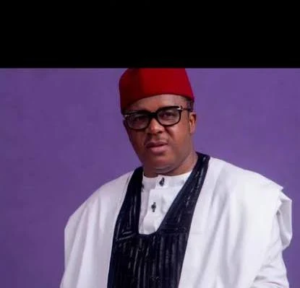
His death does not make the earlier rumour harmless. It makes the cruelty harder to ignore: he had to defend himself against stories about his health.
Born in 1969, Duru became widely known for playing Ahanna in Amaka Igwe’s 1995 film Rattlesnake, building a lasting place in Nigerian cinema over decades.
His reported final Instagram post, shared in September, paid tribute to Olu Jacobs, praising the veteran actor’s professionalism and dedication. Today, those words carry poignancy.
“He was honouring another actor’s legacy,” Ngozi said.
“It makes you wonder how often we save our kindest words for funerals, when people cannot hear them.”
“Exactly,” Amaka replied.
“Why not tell people what they mean to us while they are here? Why must grief be when we finally become generous with praise?”
Nollywood has endured other painful losses. Saint Obi died at 57 in 2023, and Junior Pope was 42 when he died in a boating accident in 2024.

Alexx Ekubo died at 40 in May 2026, leaving fans and colleagues grieving a familiar screen presence. Their losses remind us fame cannot promise longevity.
Beyond Nigeria, Chadwick Boseman died at 43 in 2020 after privately battling cancer, while Heath Ledger was 28 when he died in 2008, as his career flourished.
These names are not included to compare grief or invite speculation about private suffering. They remind us that behind every public image stands someone with unfinished plans.
Chinua Achebe wrote, “The world is like a Mask dancing. If you want to see it well, you do not stand in one place.” Life changes around us.
Nelson Mandela reminded the world that what counts is not merely the fact that we have lived, but the difference we make in other people’s lives.
Across the Atlantic, Shakespeare wrote in The Tempest, “We are such stuff as dreams are made on, and our little life is rounded with a sleep.”
“Do you think people will stop spreading death rumours?” Amaka asked.
“Only if we stop rewarding them,” Ngozi replied.
“A lie travels faster when everyone carries it.”
“But if somebody really is ill, surely people should be allowed to talk about it?” Amaka asked.
“Talk responsibly, verify facts, and respect privacy,” Ngozi answered.
Social media can connect people and spread urgent information, but it can also turn suffering into spectacle. A human life should never become content manufactured for attention.
Duru’s family announced only a brief illness. Responsible reporting means not inventing a diagnosis, repeating unsupported claims or pretending private details belong to the public.
“Then what should we do?” Amaka asked.
“Check on people while they are alive. Celebrate their work now. Say the kind thing before funerals,” Ngozi replied.
That advice sounds simple, yet many of us postpone apologies, affection and gratitude, behaving as though tomorrow has already promised to return. None of us has that assurance.
The impermanence of human existence is not merely a phrase for obituaries or sermons. It sits beside ordinary mornings, unfinished conversations and messages we keep meaning to answer.
We cannot bargain with tomorrow, but we can choose how we treat one another today: apologise, offer help, celebrate another person’s success, and refuse to spread cruelty.
Francis Duru deserves remembrance for his contribution to Nollywood and the characters he brought to life. The false reports he challenged deserve condemnation, too.
“I wish people understood that kindness is not something we owe only to the dead,” Amaka said.
“The living need it now, while words can reach them.”
“They do,” Ngozi replied.
“A tribute is beautiful, but it cannot replace kindness withheld. Let us make our words gentler before grief teaches us why.”
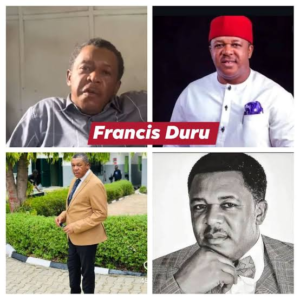
Personal Thoughts
I keep returning to one question: why do we sometimes wait until death before expressing kindness? We owe one another compassion while we can still respond.
One Thing Worth Remembering:
A person’s dignity is worth more than the attention their suffering can bring. Never make another human being the price of online popularity.
Let’s Talk:
Have we become so desperate for followers that we forget the people behind the stories we share? What kindness can we practise today?














Leave a comment