


By: Chioma Madonna Ndukwu
The Way We Live: The Real Praise Is Your Life
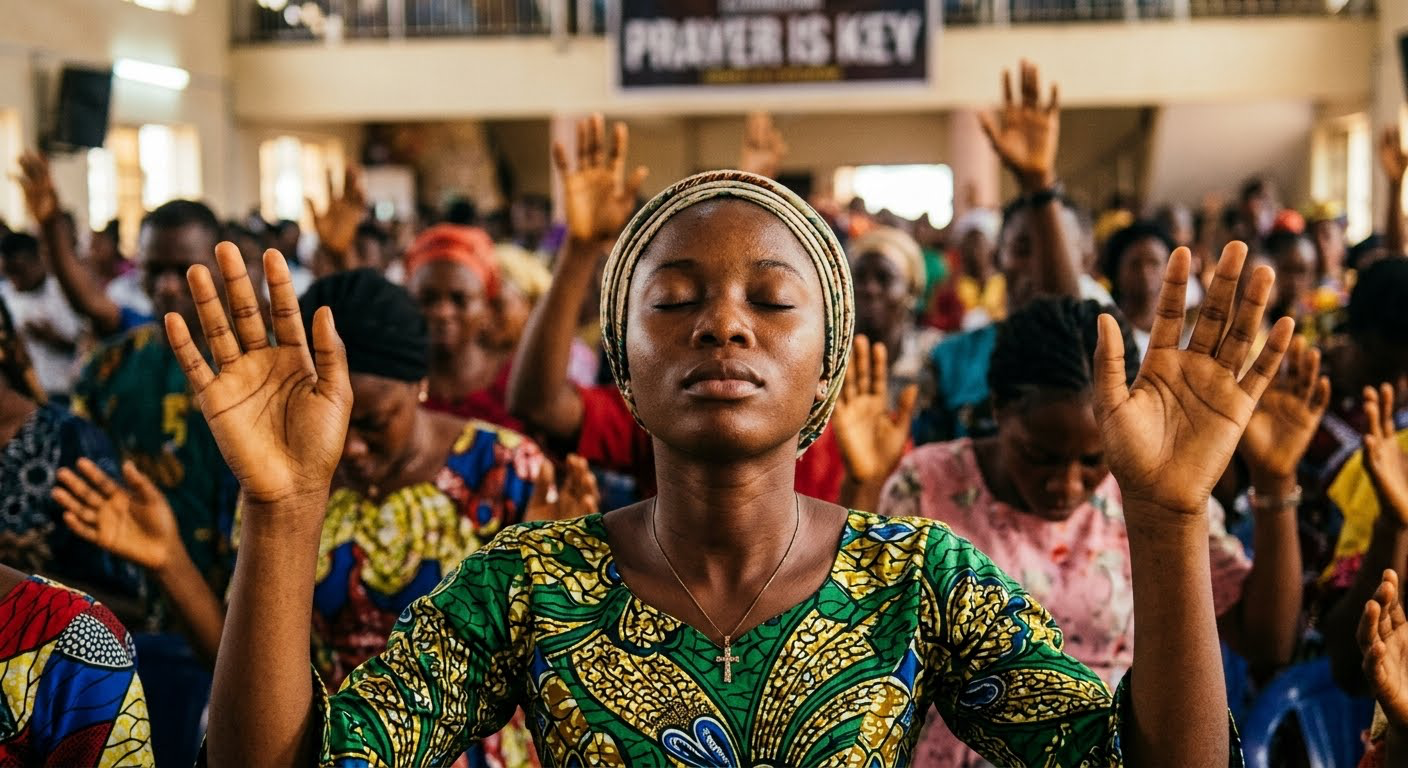
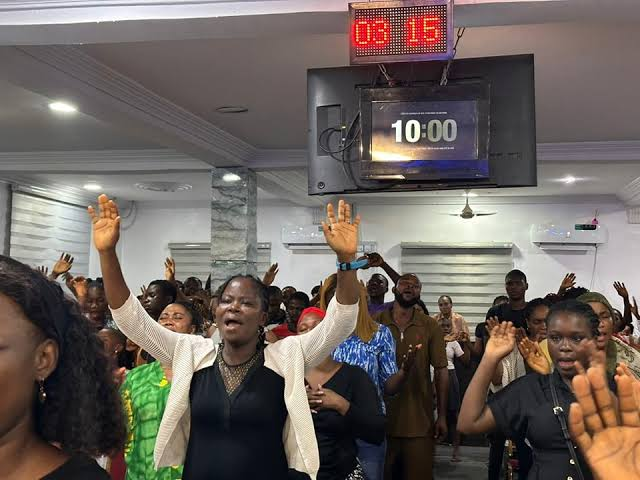
“Lord, receive my praise! Everything I have belongs to You!” Chika sang that morning, eyes closed and hands raised as the worship leader encouraged everyone.

After church, she stopped at a neighbourhood shop to buy bread and eggs. When the seller returned too little change, Chika’s cheerful expression disappeared immediately.
“Madam, my change is incomplete,” she said. “I gave you everything,” the seller replied, searching the counter. “You people always do this!” Chika snapped angrily.
“Please, sister, I am checking,” the seller answered, embarrassed. Another customer watched Chika leave, then murmured, “She was praising God beautifully in church this morning.”
That remark followed Chika longer than she expected. She had spent the morning singing about God’s goodness, yet a small disagreement quickly changed her words.
What does our praise become when the music stops and ordinary life begins asking questions we cannot answer with a song? That is today’s reflection.
There is nothing wrong with singing passionately, dancing before God or lifting our hands during worship. These expressions can communicate gratitude, love and reverence together.
However, our relationship with God should not remain inside the church building, as though faith needs a Sunday address before it can function properly elsewhere.
The real praise is your life. It is the patience you show when someone irritates you, the honesty you maintain when dishonesty would benefit you.
It is the kindness you extend to people who cannot repay you, and the apology you offer when you are wrong, even when pride protests.
Sometimes, we want the whole congregation to hear our voices, while the people closest to us struggle to recognise the love we sing about daily.
Our neighbours hear worship songs, but they also hear how we speak to our children. Colleagues see Bible verses and watch how we treat people.
Faith enters the small spaces where nobody is holding a microphone. It appears in private decisions, everyday conversations and choices made without public applause daily.
Imagine a trader who prays before opening her shop but cheats a customer over a few hundred naira. What does that conduct tell customers today?
Consider an employee who joins workplace prayers but spreads rumours threatening someone’s livelihood. Or a husband who sings about love but speaks cruelly at home.
These contradictions do not mean Christians must be perfect. They invite us to examine whether faith is influencing our choices, especially when emotions run high.
We all have moments when anger wins, patience runs out or selfishness takes over. The important question is whether we acknowledge our mistakes and change.
In Matthew 5:16, Jesus teaches His followers to let their light shine before others, so people may see their good works and glorify God daily.
Archbishop Desmond Tutu, the South African Anglican leader known for compassion and justice, reflected on the importance of ordinary goodness, love, hope and human dignity.
He said, “Your ordinary acts of love and hope point to the extraordinary promise that every human life is of inestimable value.” His words matter.
That thought travels beyond South Africa. In Lagos, London, Nairobi or New York, people understand kindness; apologies need no interpreter, and fairness crosses borders easily.
Pastor Rick Warren, an American evangelical pastor and author, expressed a foundation of faith with these words: “You were made by God and for God.”
If our lives belong to Him, our decisions deserve more than occasional attention. Faith should influence our speech, earnings, disagreements and private conduct every day.
James 1:22 urges believers to practise God’s word rather than merely listen. A sermon can inspire us, but its message must eventually become meaningful action.
Someone may need to return money received by mistake. Another may need to stop humiliating a partner, apologise to a colleague or refuse spreading gossip.
These decisions may seem small, but they reveal the direction of our hearts. Our lives are letters people read without opening a Bible each day.
They may never attend our church or hear our testimony, yet their encounters with us can influence what they think about the faith we profess.
That responsibility should make us thoughtful, not fearful. Every new day offers another opportunity to correct a wrong, extend kindness and live our beliefs faithfully.
So, as we leave church this Sunday, let us carry more than the lyrics of our favourite worship song. Let us carry its message forward.
Let it shape our next conversation, disagreement and opportunity to do what is right. When we fall short, may humility lead us back to God.
May our conduct continue the song our lips began today. Real praise is not only heard in the sanctuary; it is seen in our lives.
Prayer:
Lord, let my life reflect the worship on my lips. Teach me to love sincerely, speak kindly, act honestly and treat people with dignity. Amen.
Let’s Talk:
If someone judged your faith by how you treated people this past week, what would your life tell them? Share your thoughts in the comments.























Leave a comment