



By: Chioma Madonna Ndukwu
The Way We Live: Fake It Till You Make It: How Long Can We Pretend?
“Madam, is this your house?”
The question came from the woman selling puff-puff near the estate gate, and I nearly laughed because the woman asking had already seen me enter the compound twice that week.
“No, ma. I am visiting someone.”
She looked at the house again, then looked at me.
“Ah. I thought you had moved in.”
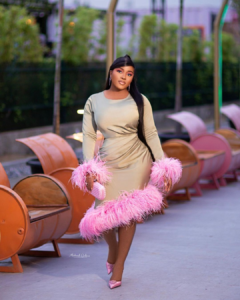
That was Lagos for you. Sometimes one good outfit, a nice car and the right address could make a person look as though life had signed a permanent agreement with them.
I remembered the popular phrase: fake it till you make it. There is wisdom in it, and there is danger in it.
Pastors say it in different ways. Motivational speakers say it too. Dress like the person you want to become. Carry yourself like the professional you are becoming. Sit at the table before somebody decides you do not belong there. There is nothing wrong with that.
Sometimes, confidence has to be practised before it becomes natural.
A young woman who wants to become a corporate executive may not wait until she gets the corner office before she starts dressing and speaking professionally.
A man building a business may present himself with confidence even while his company is still finding its feet. That is preparation. That is aspiration.
That is different from borrowing somebody else’s life and hoping nobody notices the stitching.
These days, social media has made the matter more complicated.
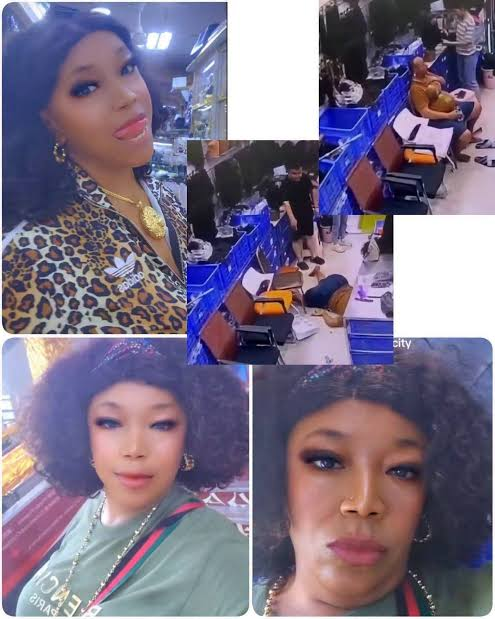
You can borrow bone-straight hair for a photograph, borrow designer shoes for a birthday shoot, borrow a friend’s car for five minutes and pose beside it as though you have been paying the insurance.
Some people borrow apartments for content because the background must look expensive enough to make strangers believe they are doing better than they are.
Lagos can be particularly unforgiving about appearances.
Everybody seems to be going somewhere. Everybody knows somebody. Everybody has a plug. Everybody is attending something. Everybody is “outside.”
And nobody wants to be the person whose reality looks ordinary.
I once watched a young woman spend nearly an hour arranging herself for a photograph. She adjusted her hair, changed her handbag, moved to another corner of the room and finally asked her friend, “Does this look expensive?”
Her friend looked at the picture.
“It looks like you have money.”
She smiled.
That was the point. But this is where the joke stops being funny.
What happens when people begin making important decisions based on the person you have invented?
What if a potential employer sees a polished version of you online and assumes you have skills you have never acquired?
What if a genuine relationship passes you by because you are so busy performing success that nobody can tell what your actual life looks like?
People even talk about missing a destiny helper in one second because they did not look successful enough. That belief can push a person into dangerous territory.
You begin thinking every meeting is an audition, every photograph is a business opportunity and every stranger is a potential investor, spouse or connection. Soon, you are not simply living your life. You are staging it. And staging a life is expensive.
You have to maintain the clothes, the restaurants, the trips, the captions, the stories and the explanations. At some point, the person you are pretending to be starts sending you bills.
American actor Jim Carrey once said during a commencement address, “You can fail at what you don’t want, so you might as well take a chance on doing what you love.”
There is something useful in that thought for anyone trying to become more than they are today. Take the chance. Dress for the future. Learn the skill. Enter the room. Speak with confidence. Put yourself forward. But do not confuse courage with fabrication.
Nigerian actress Rita Dominic has also spoken about the pressure of maintaining a public image, describing authenticity as something difficult but necessary under public scrutiny. That matters beyond celebrity life. (Pulse Nigeria)
Many ordinary people are now living under the same pressure without having the money or support system that can sustain the image.
A friend once told me, “Oma, sometimes I feel everybody is ahead of me.”
I asked her, “Everybody?”
She laughed.
“Okay, maybe not everybody. But Instagram makes it look like everybody.”
That sentence says plenty. Social media can make another person’s highlight reel look like your examination result.
And Lagos is certainly not alone in this performance. In New York, London, Johannesburg, Dubai and other cities where image can open doors, people also curate the version of themselves they want strangers to see.

Luxury apartments become backdrops, borrowed clothes become evidence of success and carefully selected photographs can make an ordinary Wednesday look like a life of endless opportunities.
The pressure may wear different clothes in different countries, but the temptation is familiar; make people believe you have made it, even while you are still trying to figure out how to get there.
You see the wedding, not the arguments before it, the holiday, not the debt, new car, not the repayment plan, and the beautiful apartment, but not the person who was allowed to use it for one afternoon.
This is why I think there is a healthy version of “fake it till you make it.”
You do not have to look like what you are going through. One can be broke and still dress well, struggling and still carry oneself with dignity, starting again and still refuse to look defeated.
You can wear the confidence of the person you are becoming while doing the work required to become that person.
The problem begins when the appearance becomes more important than the work, the borrowed shoe becomes more important than the journey, and proving a point to people becomes more important than protecting your future.
When you start spending tomorrow’s money to convince today’s spectators that you have already arrived.
The Bible puts it plainly in Proverbs 16:18: “Pride goes before destruction, a haughty spirit before a fall.”
There is a reason that verse still speaks to ordinary life.
Sometimes the fall does not begin with failure. It begins with the desperate need to prove that you cannot fail.
So, yes, fake it till you make it. Stand straighter. Dress well. Learn confidence. Go for the interview. Apply for the position. Enter the room. Let your presentation reflect the future you are working towards.

Just make sure that underneath the fine clothes, borrowed hair, expensive-looking photograph and confident caption, there is something real being built.
Because a borrowed lifestyle can impress people for a day, but it cannot build your future.
And if I have learnt anything from Lagos, it is that the city has a funny way of exposing what is real.
Eventually, somebody asks a simple question.
“How did you make your money?”
“What do you actually do?”
“Is this your house?”
And suddenly, the person who had rehearsed every answer has nothing left to say.
Maybe the goal is not to fake your way into another person’s life. Maybe it is to practise your way into your own.
Personal Thoughts:
I love the idea of dressing for the future we want. There is something beautiful about refusing to let today’s circumstances dictate how we carry ourselves.
But I also think we should be careful about turning appearance into a full-time job. I would rather look like I am becoming something than spend my life pretending I already am.
One Thing Worth Remembering:
You do not have to advertise every struggle, but you should never build a false life simply because you are afraid your real one is not impressive enough.
Let’s Talk:
Have you ever “faked it till you made it” in a healthy way, by acting confident before you felt confident? Or have you seen people take the idea so far that the lifestyle became more important than the life itself?




















Leave a comment