


By: Chioma Madonna Ndukwu
VDM, Apostle Arome Osayi and the Line Between Criticism and Mockery
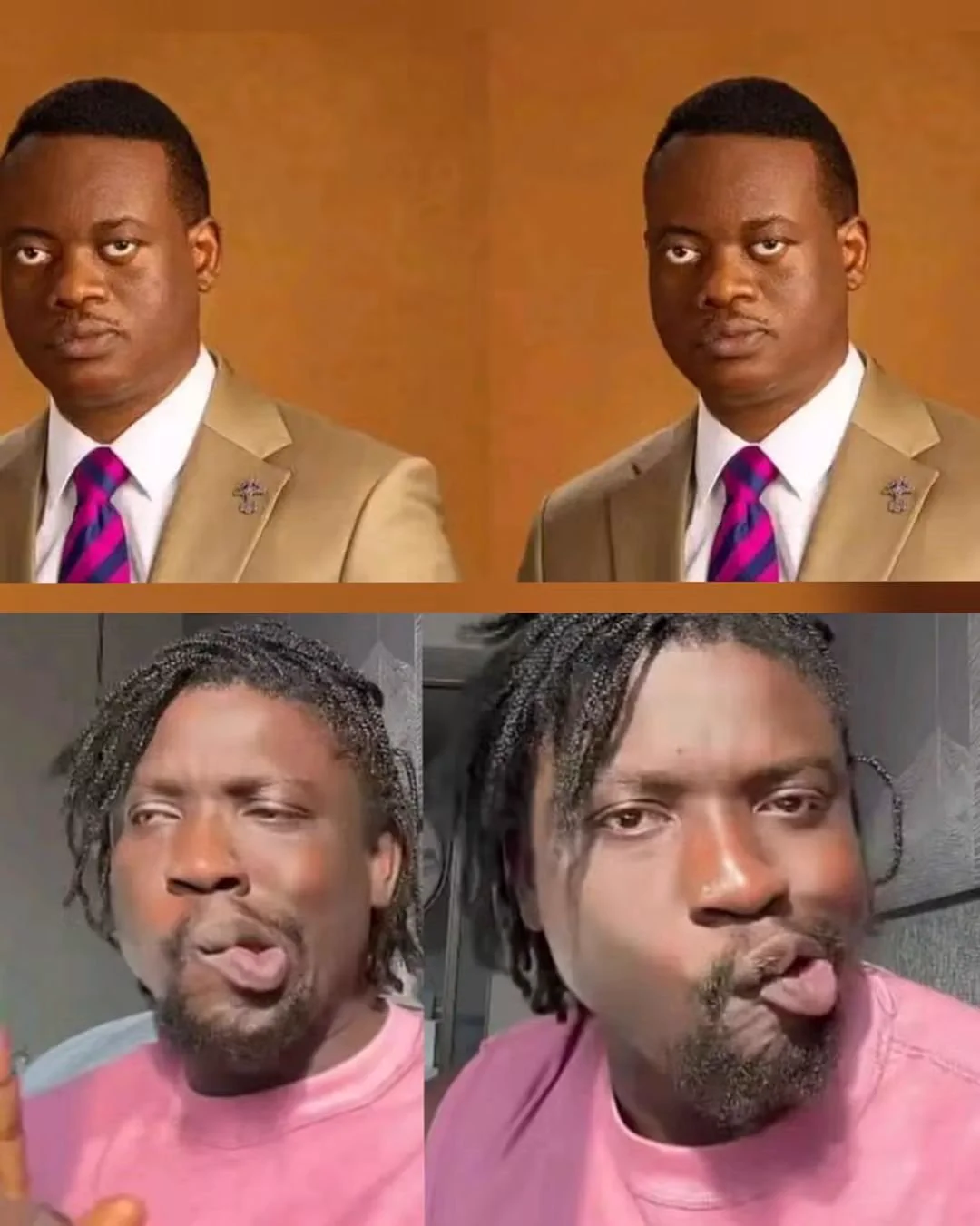
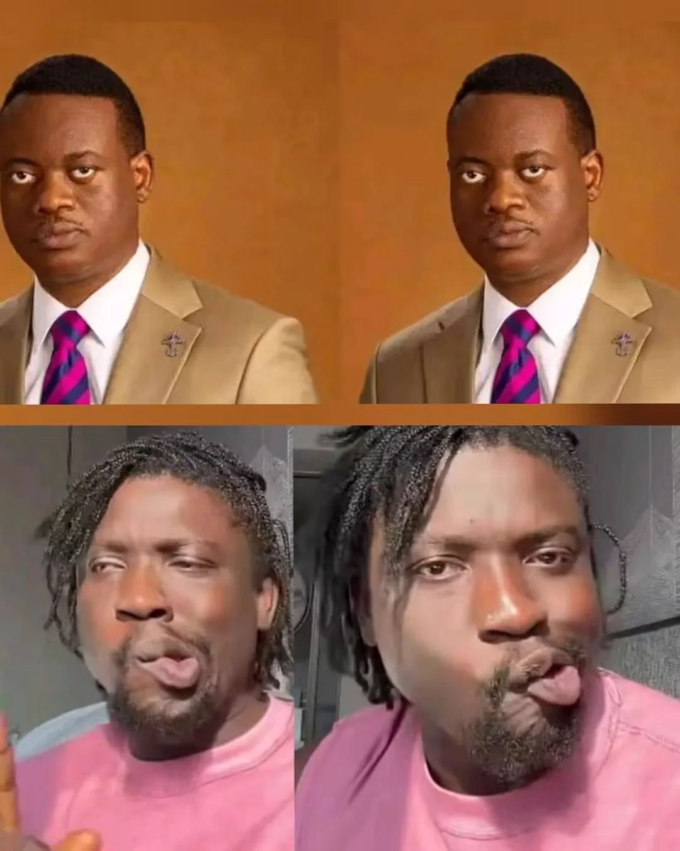
What began as a fiery disagreement over Nigeria, China, revival and the future of a nation took an uncomfortable turn when VeryDarkMan chose to imitate Apostle Arome Osayi’s facial palsy while attacking his message.
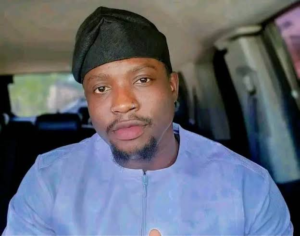
VeryDarkMan
That moment should not be allowed to swallow the larger conversation, because there was a genuine argument underneath the noise.
Apostle Arome Osayi had spoken about Nigeria’s spiritual calling, contrasting it with the technological and industrial achievements of countries such as China, and VDM strongly disagreed with the position.
VDM questioned why Nigerians should be talking endlessly about revival when other nations are building machines, developing technology, strengthening industries and creating systems that improve the lives of their citizens.
He also questioned Arome’s decision to live abroad, pointing to the irony he perceived in preaching about Nigeria’s spiritual assignment while benefiting from a country whose strength is closely associated with innovation and development.
Those are questions VDM is entitled to ask, and Apostle Arome Osayi is entitled to answer them in whatever way he considers appropriate.
The clergy are not beyond questions, and disagreement with a sermon does not amount to disrespecting the things of God, especially when the disagreement is directed at an idea rather than at the dignity of the person expressing it.
There is also another side to the revival argument that deserves consideration.
Revival, in the Christian understanding, is not necessarily confined to prayer meetings, fasting and spiritual exercises; genuine spiritual renewal can produce discipline, honesty, diligence, compassion, enterprise and a sense of responsibility that follows believers into their workplaces and communities.
Across Nigeria, Christian leaders and ministries are involved in scholarships, skill acquisition, entrepreneurship, education, humanitarian assistance and various forms of empowerment, while others encourage believers to become influential apostles in the marketplace.
There are certainly areas where the Church can do more, but there are also countless examples of people whose faith has inspired them to build businesses, create employment and improve lives.
Therefore, the conversation should not become a choice between prayer and productivity, because Nigeria needs both.
A country can seek revival while producing scientists, engineers, entrepreneurs and inventors, just as it can pray for spiritual transformation while demanding good roads, functional hospitals, reliable electricity, stronger institutions and industries capable of employing its people.
This was where VDM had enough material to make a powerful argument without touching Apostle Arome Osayi’s physical condition.
He could challenge the sermon, question the comparison with China, interrogate the meaning of national revival and ask whether spiritual awakening should produce practical transformation in the lives of ordinary Nigerians.
Instead, the disagreement moved somewhere it never needed to go.
In the video that triggered widespread criticism, VDM reportedly mimicked Arome’s facial palsy by holding his mouth to one side while speaking, deliberately reproducing the way the condition affects the preacher’s face and speech.
That was the moment a debate about ideas became something far more personal, and for many people, deeply uncomfortable.
A person’s physical condition is not an argument waiting to be defeated. Facial palsy is a medical condition, not a theological position, and turning it into a prop for ridicule does nothing to strengthen an otherwise legitimate criticism.
The reaction was not limited to ordinary social-media users. Rev. Fr. Chinenye John Oluoma and Apostle Michael Orokpo also condemned the mockery, arguing in different ways that disagreement with someone’s views should not become an excuse to ridicule a physical condition or abandon basic ethical values.
An African proverb says, “When you point one finger at another person, three fingers point back at you.”
The wisdom is simple, but it carries a warning about conduct: those who spend their time demanding better standards from society must also be willing to examine their own actions.
That is why the disappointment over VDM’s action goes beyond defending a preacher.
It is about the kind of public culture Nigerians are creating, particularly on social media, where the desire to win an argument can sometimes become stronger than the desire to preserve another person’s dignity.
Social media should not become a boxing ring where every disagreement ends with someone’s dignity on the floor.
It is time for the NBC, NCC, NITDA and other relevant regulatory bodies to take online abuse seriously and act within their legal mandates against harassment, threats, defamation and deliberate humiliation, while protecting legitimate criticism and freedom of expression.
VDM, you are among the people many hold in high esteem in this part of the world, precisely because you have built a reputation for confronting issues that others avoid.
That influence makes this particular action even more difficult to understand, because you could have vented your spleen and spilled your guts without mocking a man’s physical defect.
Your actions in this instance were beastly, inhumane and degrading, and saying so is not an attempt to silence your criticism of Apostle Arome Osayi.
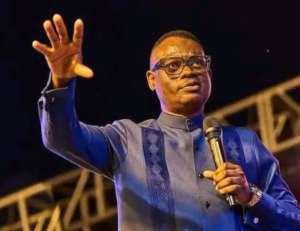
Apostle Arome Osayi
It is simply a reminder that there must be a line between fearless criticism and cruelty, especially when the subject of the ridicule is something the person did not choose.
As Nelson Mandela once said, “No one is born hating another person.” Respect is learned, character is displayed and restraint is often revealed most clearly when anger gives us permission to do what we know we should not do.
There is nothing wrong with asking Apostle Arome Osayi difficult questions about Nigeria’s revival, the country’s development or his understanding of the responsibilities that come with preaching to millions.
There is nothing wrong with questioning whether a spiritually awakened Nigeria should also become a technologically advanced and economically productive Nigeria.
There is even room to question the apparent contradiction VDM identified between speaking about Nigeria’s destiny and choosing to raise a family abroad.
Such questions can produce a meaningful conversation about leadership, responsibility, migration and the kind of country Nigerians are trying to build. But none of those questions requires an imitation of facial palsy.
Apostle Arome Osayi can defend his message, VDM can defend his criticism, and Nigerians can listen to both men without turning the preacher’s physical condition into entertainment.
The things of the spirit are matters of deep conviction for believers, while the practical condition of Nigeria is something everyone can see and discuss.
The country needs both spiritual renewal and practical development, and the conversation between the two should be mature enough to accommodate disagreement without humiliation.
If revival is genuine, it should produce values; if development is genuine, it should preserve human dignity.
The Nigeria VDM says he wants to see should certainly have industries, technology, infrastructure, jobs and accountable leadership, but it should also have honour, respect, morals and restraint.
A nation cannot build impressive structures with one hand while tearing down human dignity with the other. That is why this criticism is not about stopping VDM from speaking.
He should be able to speak, question, challenge and even disagree passionately with Apostle Arome Osayi, but he should also understand that an argument can be torn apart without making a man’s physical defect part of the fight.
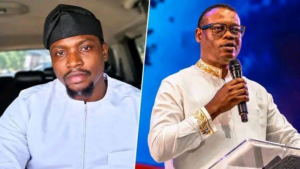
The argument about Nigeria was important. The mockery was unnecessary. And between the two, Nigerians should not allow the second to erase the first.














Leave a comment