



Are the Fruits You Eat Naturally Ripe or Chemically Treated? Here Are Ways to Spot Them
A bright yellow banana, a golden mango or a bunch of attractive oranges can make anyone pause at a fruit stall. However, that appealing appearance may not tell the whole story.
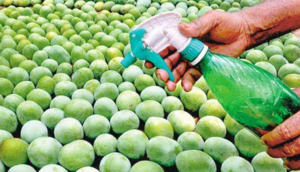
Behind some fruits sold in markets is a practice that raises serious food safety concerns: using calcium carbide, popularly called carbide, to accelerate ripening. What looks like nature doing its work may sometimes involve an industrial chemical.
Fruits are valuable sources of vitamins, minerals and dietary fibre, making them important parts of healthy diets. However, the methods used to ripen them deserve attention, particularly when unsafe chemicals enter the process.
What Is Calcium Carbide?
Calcium carbide is an industrial chemical commonly associated with welding and other manufacturing activities. Some fruit dealers use it to force fruits to ripen faster, especially when they want quicker sales and market turnover.
When calcium carbide comes into contact with moisture, it releases acetylene gas, which acts similarly to ethylene, the natural plant hormone responsible for fruit ripening. This accelerates changes in colour, softness and appearance.
The concern is that industrial-grade calcium carbide may contain harmful impurities, including arsenic and phosphorus compounds. These contaminants can introduce unnecessary health risks when the chemical is used in food handling.
Fruits That May Be Affected
The practice is not restricted to one particular fruit. Bananas, plantains, mangoes, oranges, guavas, grapes and cashew fruits have all been mentioned in warnings about calcium carbide ripening.
In Nigeria, the National Agency for Food and Drug Administration and Control (NAFDAC) has repeatedly cautioned fruit dealers against the practice, urging consumers to remain vigilant when purchasing fresh produce.
7 Warning Signs to Look Out For
Unusually uniform colour
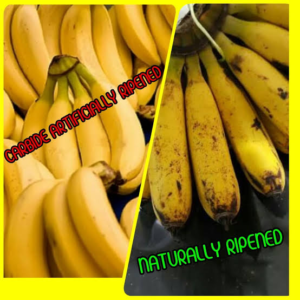
Examine the fruit carefully. Some artificially ripened bananas and plantains develop an unusually uniform yellow appearance, sometimes while their stems remain dark. However, colour alone cannot establish chemical treatment.
Powdery substances on the skin
NAFDAC has identified unusual powdery deposits on fruit surfaces as another possible warning sign. Nevertheless, ordinary dust and dirt can produce similar appearances, so further confirmation is necessary.
Ripe outside but unripe inside
Cutting a fruit open may reveal another warning sign. A mango or banana might look completely ripe externally while its flesh remains unusually hard, green or insufficiently mature.
Little or no natural fragrance
Naturally ripened fruits generally develop characteristic aromas as they mature. Some chemically ripened fruits may lack their familiar fragrance, although this observation cannot independently establish whether carbide was used.
Unusual taste
A fruit may look inviting but taste bland, sour or less sweet than expected. Naturally developed sweetness and flavour can be reduced when fruits are forced through inappropriate ripening methods.
Unusual texture
Pay attention to fruits that feel excessively soft, have inconsistent textures or appear mature outside while remaining firm inside. These differences deserve attention, although natural ripening also produces variations.
Unexpected deterioration
Some fruits may develop dark patches, become excessively soft or spoil shortly after purchase. Poor storage, bruising and natural decay can also explain these changes, so they are not conclusive evidence.
What Are the Health Implications?
The concern surrounding calcium carbide goes beyond the appearance and quality of fruits. Industrial-grade material may contain toxic impurities that pose health risks when people are exposed to them.
NAFDAC Director-General, Professor Mojisola Adeyeye, has warned about the dangers associated with calcium carbide and its impurities. Potential effects include irritation, vomiting, headaches and neurological complications, depending on exposure.
A scientific review published in the journal Toxicology in 2022 also examined the potential toxicity of calcium carbide used in food and fruit ripening, highlighting concerns about harmful contaminants.
This does not mean that eating one suspicious-looking fruit automatically causes serious illness. The actual risk depends on the substances present, their concentration and the level of exposure.
How Can Consumers Protect Themselves?
Start by purchasing fruits from reliable sellers and examining them before making a choice. Wash fruits thoroughly under clean running water and peel them where appropriate before consumption.
However, washing and peeling cannot guarantee the removal of harmful contaminants. Consumers should also understand that there is no dependable home test that can conclusively identify carbide-ripened fruits.
Importantly, artificial ripening is not always dangerous. Ethylene, a natural plant hormone, is used commercially under controlled conditions to ripen fruits safely. The major concern is the unsafe use of calcium carbide.
Ultimately, fruit sellers have a responsibility to protect consumers, while regulatory authorities must strengthen market surveillance and enforce food safety standards.
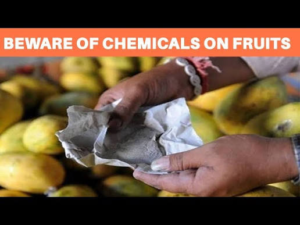
The next time you visit a fruit stall, remember that an attractive colour is not a certificate of safety. Knowing what to look for can help you make better choices.
Your health is your business, and your time is your capital.



























Leave a comment