


By: Chioma Madonna Ndukwu
How Some Petrol Stations Cheat Customers: What Buyers Should Watch For
You pay for ₦20,000 worth of petrol, watch the pump display reach the amount and drive away. But did you receive all the fuel you paid for?
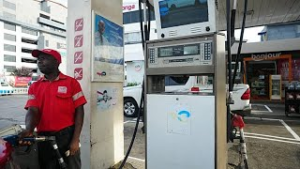
For Nigerian motorists, this is a question worth asking. With petrol taking a considerable share of many people’s income, receiving less than the quantity paid for means losing money on an expense that is already difficult to manage.
While some discrepancies may result from faulty equipment, inaccurate pump calibration or other technical problems, deliberate under-dispensing is another concern consumers should take seriously.
The difficulty is that customers cannot always tell whether a pump is dispensing accurately simply by watching the numbers rise. Some warning signs, however, deserve attention whenever you visit a filling station.
The pump starts counting before you check
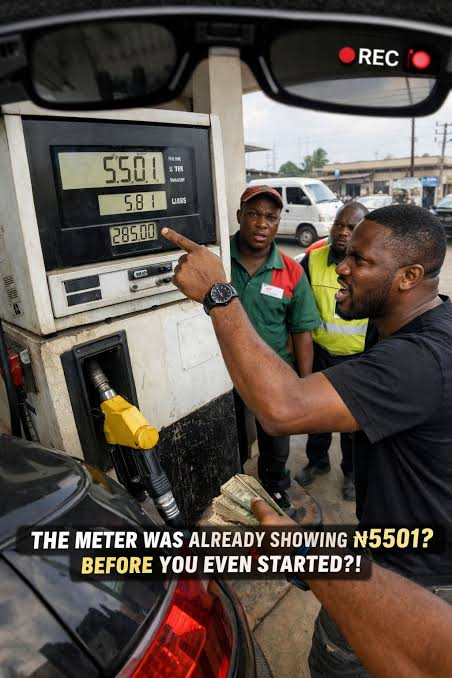
One thing motorists should never overlook is the initial reading on the pump.
Before dispensing begins, the meter should display zero. If an attendant inserts the nozzle and starts pumping without resetting the previous reading, the customer may struggle to establish how much fuel the new transaction actually covers.
Distractions can make the situation worse. An attendant may ask questions, discuss the amount requested or hurry to begin dispensing while the customer is occupied with something else.
A non-zero reading does not automatically prove an attempt to cheat, but allowing a transaction to continue without checking it creates unnecessary uncertainty.
What to do: Watch the display before the nozzle trigger is pressed. If the meter does not read zero, ask the attendant to reset it before dispensing begins.
When the amount looks right but the litres raise questions
A petrol pump can display the requested amount without guaranteeing that its measurements are accurate.
Faulty equipment, poor calibration or deliberate tampering can cause a dispenser to deliver a different quantity from the amount indicated on its meter.
This is why motorists should pay attention to the litre reading, not just the naira amount. The money displayed tells you the cost of the transaction, while the litre reading indicates how much fuel the pump claims to have dispensed.
Customers cannot reliably establish pump accuracy simply by looking at the display. Where under-dispensing is suspected, the equipment needs to be checked using appropriate measuring procedures.
What to do: Observe the litres displayed as the transaction progresses. If you repeatedly suspect that a station is dispensing less than its meter indicates, keep your receipts and report the concern to the appropriate regulatory authority.
The sudden mistake that changes your order
You ask for ₦20,000 worth of petrol, but the attendant enters ₦10,000 into the pump. When the dispensing stops, the attendant apologises and says there has been a misunderstanding.
The attendant then offers to dispense the remaining amount in a second transaction.
Such mistakes can happen without any dishonest intention. The important thing is to ensure that the two transactions add up to the amount originally requested.
When customers are distracted or in a hurry, they may overlook the first reading, forget the amount dispensed and leave without checking the final figures.
A second transaction is not proof of fraud, but it is a reason to pay close attention to the numbers.
What to do: Confirm the amount entered before dispensing starts. If the transaction is split, check both readings and ensure their combined value matches your original request.
When the nozzle keeps stopping and starting
Repeated interruptions during dispensing can make motorists suspicious, especially when the attendant keeps squeezing and releasing the nozzle.
However, this action alone does not prove that the customer is receiving less fuel. Nozzles have automatic shut-off mechanisms, and interruptions may result from the equipment or the way the nozzle is positioned.
Claims that repeatedly squeezing the trigger makes a pump charge customers for air should not be accepted as established fact without evidence about the particular equipment.
What matters is whether the dispenser is operating correctly and measuring the fuel accurately.
What to do: If the nozzle repeatedly stops without an obvious explanation, ask the attendant to check it. Pay attention to the meter and request assistance if the equipment appears faulty.
The fuel hose that looks suspicious
The position of the dispensing hose is another detail motorists sometimes question.
A hose may sag, bend or appear awkwardly positioned during a transaction. However, its appearance alone does not establish that an attendant is withholding petrol.
Claims that fuel trapped in a sagging hose automatically drains back into a reservoir or becomes an attendant’s personal gain depend on the design and operation of the dispensing equipment. Such claims should not be presented as proven tricks without supporting evidence.
Motorists should instead look for observable problems, including damaged hoses, visible leaks or equipment that appears to be malfunctioning.
What to do: Ensure the nozzle is properly inserted into your vehicle’s tank. If you notice a leak or suspect a fault, stop the transaction and bring the matter to the station manager’s attention.
Why your fuel gauge cannot settle the matter
You leave a filling station expecting your fuel tank to be nearly full, only to notice that the gauge has barely moved. It is understandable to suspect that something has gone wrong.
However, your vehicle’s fuel gauge cannot accurately establish how many litres were dispensed. The shape of the tank, the amount of fuel already inside and the vehicle’s position can affect the reading.
A gauge that moves slowly is therefore not sufficient evidence that an attendant has shortchanged you.
The more useful starting point is the pump’s displayed quantity, supported by a proper check of the dispensing equipment if a discrepancy is suspected.
What to do: Pay attention to the pump’s final litre reading and retain your receipt where available. If you repeatedly notice inconsistencies, record the details and report them for investigation.
What to do when you suspect you have been cheated
Motorists do not need specialised equipment to take basic precautions at filling stations.
Before dispensing begins, confirm that the meter reads zero and that the amount entered matches your request. Watch the display throughout the transaction and check the final reading before leaving.
If the transaction is interrupted or split into separate amounts, ensure the figures add up correctly.
Where you suspect under-dispensing, note the filling station’s name, location, date and transaction details. Keep your receipt if you have one, and raise the matter with the station manager.
You can also report suspected under-dispensing or inaccurate pumps to the Nigerian Midstream and Downstream Petroleum Regulatory Authority (NMDPRA), which oversees the midstream and downstream petroleum sector.
A complaint supported by specific transaction details is more useful than an accusation based solely on a fuel gauge or the appearance of a hose.
Every litre counts
When petrol prices are already putting pressure on household budgets, motorists have good reason to expect accurate measurements at filling stations.
Not every unusual transaction is fraud, and not every pump problem is deliberate. But customers should not have to ignore suspicious readings or accept unexplained discrepancies.
Checking the meter, confirming the amount entered and keeping evidence of a questionable transaction can help motorists protect their money and give regulators the information needed to investigate complaints.





















Leave a comment