


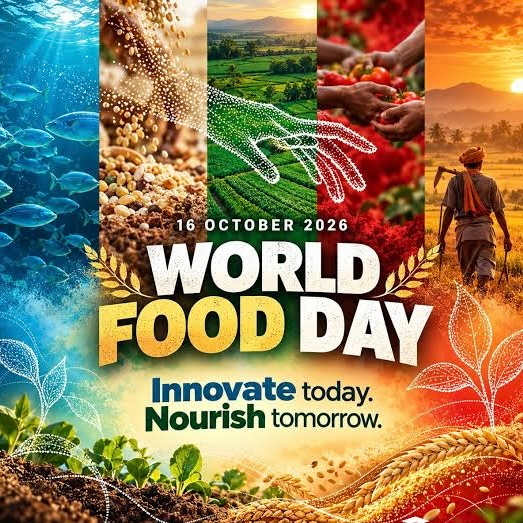
World Food Day 2026: The World Has Food, But Millions Cannot Afford It
A market can overflow with tomatoes, peppers, grains and fresh fish, yet a mother may return home wondering how she will feed her children tonight.
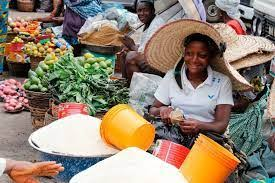
The food is there, the hunger is real, but the money is not enough. Across Nigeria and beyond, millions face this painful contradiction every day.
World Food Day, observed every October 16, draws attention to the gap between food production and access. This year’s theme is “Innovate Today. Nourish Tomorrow.”
The date marks the founding of the Food and Agriculture Organization of the United Nations in 1945. World Food Day was first celebrated in 1981.
The 2026 State of Food Security and Nutrition in the World report estimates that 645 million people experienced hunger in 2025, according to UN agencies.
The report also estimates that 2.69 billion people could not afford a healthy diet in 2025. Across much of Africa, about two-thirds faced that barrier.
These figures reveal the distance between food availability and household purchasing power. A market can be full, yet nutritious meals remain beyond many families’ reach.
Food affordability is not the only concern. Counterfeit, adulterated or contaminated products can endanger consumers, making food safety as important as access to nutritious meals.
In Nigeria, ugu, beans, millet, maize, eggs, fish, oranges and pawpaw can support balanced diets. Finding these foods is easier than affording them for many.
When prices rise faster than earnings, every increase takes another bite out of the family food budget, leaving less room for nutritious ingredients at home.
Parents may buy more garri, reduce protein portions or abandon fruit to cover other expenses. Dinner becomes a calculation about which nutritional needs must wait.
These compromises can affect health, particularly among children, pregnant women and older people. A satisfied stomach does not necessarily mean the body is properly nourished.
The challenge is visible in Nigeria’s figures. FAO reported that nearly 36.3 million people were projected to face severe acute food insecurity during June–August 2026.
FAO also reported that annual food inflation reached 20.3 percent in July 2026, after rising for six consecutive months, squeezing household purchasing power further still.
Conflict, extreme weather and economic shocks disrupt production and distribution. Farmers also face higher costs for fuel, fertiliser, transport and other essential agricultural inputs today.
Nigeria possesses growing conditions and substantial farming potential. Yet insecurity, expensive inputs, limited credit and weak infrastructure continue to prevent the sector reaching its capacity.
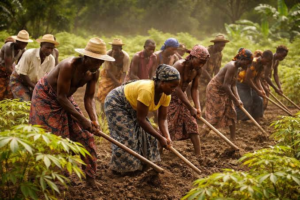
When insecurity keeps farmers from their fields, production suffers. Poor roads and inadequate storage can spoil valuable harvests before they reach local markets across Nigeria.
The losses do not end on the farm. Less produce reaches markets, transportation costs rise, and household budgets already stretched by bills face additional pressure.
Food imports can help meet demand, but lasting security requires stronger local production. Farmers need affordable financing, reliable markets, processing facilities and sustained practical support.
Innovation need not begin with expensive machinery. Better seeds, practical irrigation, weather information and training can help farmers improve yields and adapt to changing conditions.
Storage and processing facilities can extend the life of harvests and reduce waste. Better rural roads connect producers with buyers before perishable crops lose value.
Government policies must produce visible improvements. Farmers need security and dependable support, while consumers need prices that keep nutritious meals within ordinary household budgets today.
Nutrition education matters, but advice cannot make expensive food affordable. Telling families to eat more vegetables and protein offers little help when money runs short.
Food security means access to safe, nutritious food people can afford. It depends on production, transport, storage, purchasing power and the quality of daily meals.
World Food Day deserves more than speeches and banners. Its impact should appear in stronger farms, fewer harvest losses and families buying ingredients without sacrifice.
A nation cannot measure food security by harvest size. It must count families whose purchasing power cannot carry nutritious food from market stalls to tables.
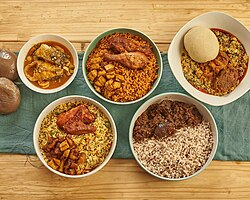
The world produces food, yet millions remain hungry or priced out of healthy diets. Until nutritious meals become affordable, abundance will remain an unfinished promise.






















Leave a comment