


Europe Protests: Why Young People Are Taking to the Streets
Protests have spread across several European countries as young people and other residents express frustration over rising living costs, expensive housing, poor school conditions and concerns about government policies.
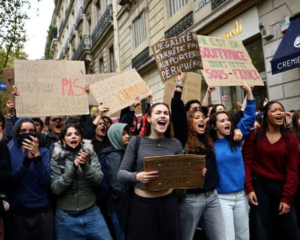
Demonstrations have taken place in France, Spain, Portugal, Italy, Belgium and Albania, with protesters demanding changes to policies they believe are making everyday life increasingly difficult.
France Faces Growing Student Unrest
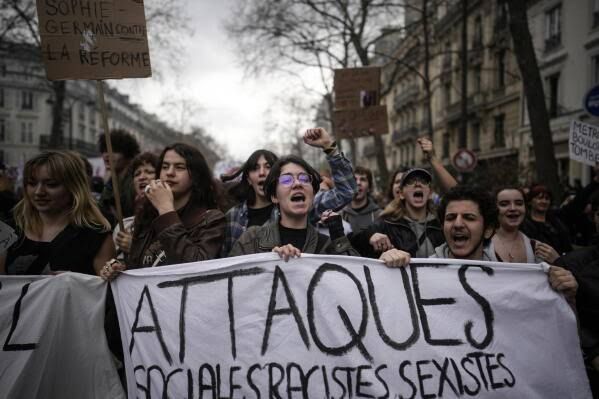
In France, high school students have confronted police during demonstrations over poor learning conditions, teacher shortages and concerns about university admissions.
Some pupils reportedly miss months of lessons because schools cannot find replacement teachers when staff members are absent. Demonstrators have also complained about long school hours and deteriorating classroom facilities.
The protests have attracted wider public support, with some participants raising concerns about rising household expenses and fuel prices following US bombing that contributed to the effective closure of the Strait of Hormuz.
The General Confederation of Labour (CGT), one of France’s largest trade unions, has backed the demonstrations and called for lower prices, improved wages and higher pensions.
The unrest comes as President Emmanuel Macron approaches the end of his second term in office.
Housing Costs Fuel Anger in Spain and Portugal
Housing affordability has become a major source of public anger in Spain, where demonstrators took to the streets in September to demand more affordable rents and stronger protection for tenants.
The protests followed the eviction of an 87-year-old woman, Maricarmen Abascal, after an investment fund reportedly increased her rent by 230 per cent. She died two weeks later after being admitted to hospital.
Protesters are demanding restrictions on evictions, lower rents and a ban on investment funds purchasing residential properties.
Similar concerns have emerged in neighbouring Portugal, where hundreds of people gathered in central Lisbon on Saturday to protest against rising housing costs.
Official figures cited in the report show that Portuguese house prices increased by 124 per cent between 2015 and 2024, approximately twice the European Union average over the same period.
The sharp increase has intensified concerns about access to affordable homes, particularly among people struggling to meet their everyday expenses.
Cost of Living Protests Reach Italy and Belgium
In Italy, demonstrators took to the streets of Milan on Saturday to express frustration over household expenses and other economic concerns.
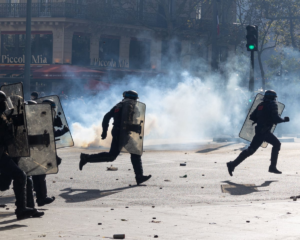
The march initially proceeded peacefully before turning violent. Masked rioters reportedly threw stones, paving blocks and other objects at police officers while setting fire to barricades made from bar tables.
Saturday also marked the beginning of cost-of-living demonstrations in Belgium, adding to the growing wave of public discontent across Europe.
Meanwhile, Albania has witnessed several days of protests against Prime Minister Edi Rama’s government.
Demonstrators have raised concerns about alleged corruption, limited employment opportunities and poor educational standards.
The Albanian protests began earlier in the summer following controversy over a luxury coastal development backed by Jared Kushner, the son-in-law of US President Donald Trump.
When Did the European Protests Begin?
The current wave of student demonstrations in France began in late September, approximately one week after schools resumed for the new academic year.
The protests intensified over the following weeks, reaching a high point on Saturday, October 17.
Demonstrations over living costs also began in Italy, Portugal and Belgium on the same day, while Albania’s political protests have continued since the summer.
In Spain, housing campaigners have maintained pressure on the government to introduce measures that would make renting more affordable and protect tenants from eviction.
What Governments Have Done So Far
The protests have already prompted some responses from European authorities, although demonstrators continue to demand broader changes.
In France, the government has announced plans to deploy an additional 3,000 substitute teachers to address staffing shortages. Authorities have also pledged to involve students more directly in decisions affecting schools.
The government has withdrawn proposed increases to certain university registration fees that were included in its plans for next year’s budget.
Earlier fuel protests in September also prompted the Élysée Palace to announce increased petrol subsidies for selected industries.
In Spain, Prime Minister Pedro Sánchez attempted to introduce emergency housing legislation designed to strengthen tenant protections. However, right-wing and far-right parties defeated the proposal in Congress.
Following the defeat, Sánchez called an early election for November 29, saying he needed a broader progressive majority to implement further reforms.
Will the Protests Continue?
The future of the demonstrations remains uncertain as governments face growing pressure to address the concerns raised by protesters.
French President Emmanuel Macron is scheduled to deliver a televised address following a crisis meeting with key ministers.
However, Interior Minister Laurent Nuñez has criticised what he described as far-left protesters and individuals involved in looting and vandalism, suggesting that the government may resist further concessions.
France is scheduled to hold its next presidential election in April 2027.
In Spain, the immediate direction of the housing protests could depend partly on whether the government secures approval for some of its proposed housing measures through Congress’s permanent council.
Both Sánchez’s Socialist Party and the conservative People’s Party have promised to increase housing construction and make housing a priority ahead of the November election.
Across Europe, the continuing demonstrations highlight the pressure facing governments as residents demand affordable housing, better education, improved economic conditions and greater accountability from political leaders.














Leave a comment