


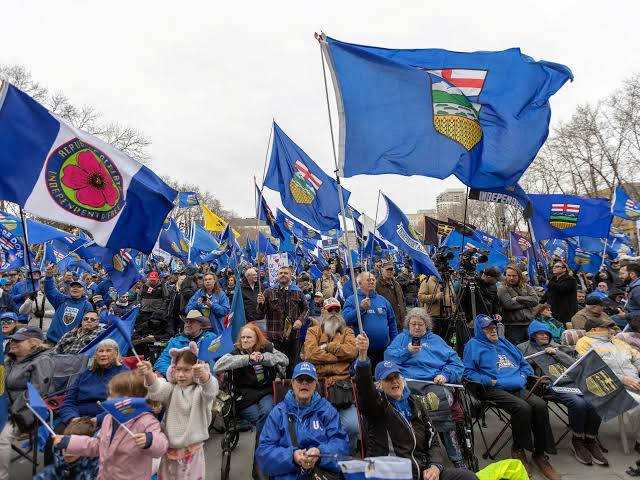
Alberta Separatists Face Defeat as Canada Exit Vote Holds
Residents of Alberta, Canada, are voting on whether the oil-rich province should separate from the country, although polls suggest the independence campaign faces defeat.
The non-binding referendum, held on Monday, October 19, follows years of complaints from Albertans who believe federal policies have restricted their province’s economic growth and energy industry.
Alberta, home to approximately five million people, is a major centre of Canada’s oil and gas production. Supporters argue the province contributes more economically than it receives.
An Angus Reid poll released Friday found that 66 per cent of Albertans intended to vote to remain in Canada. However, the separatist movement could survive defeat.
Three in five Albertans surveyed also believed the independence campaign would continue, highlighting persistent dissatisfaction with the federal government despite widespread opposition to leaving Canada.
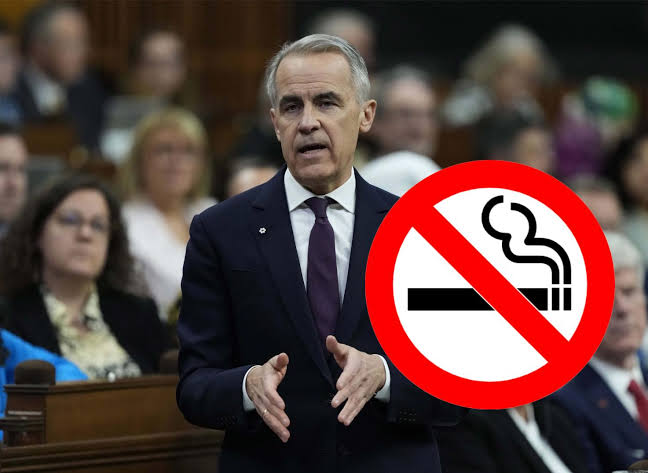
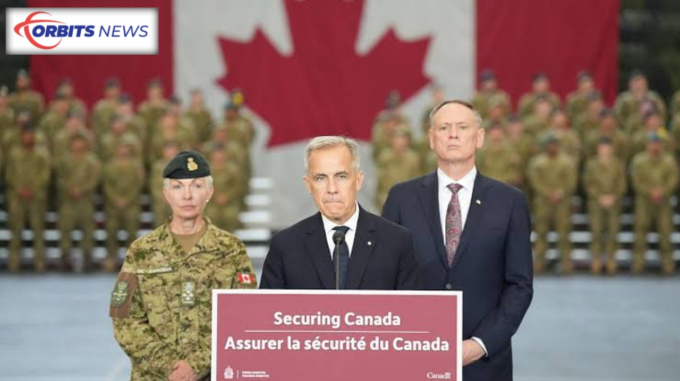
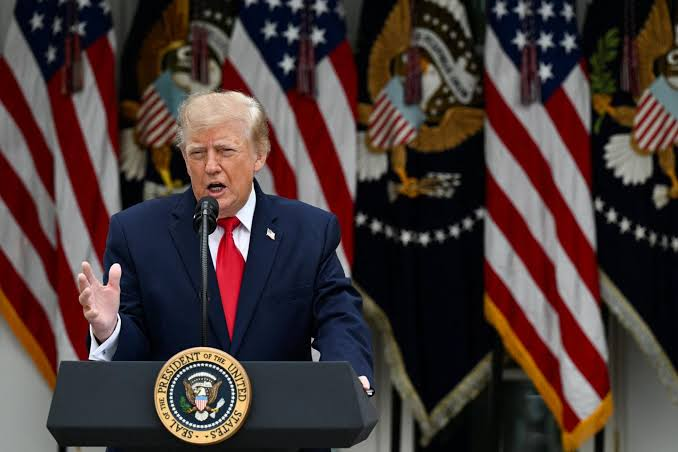
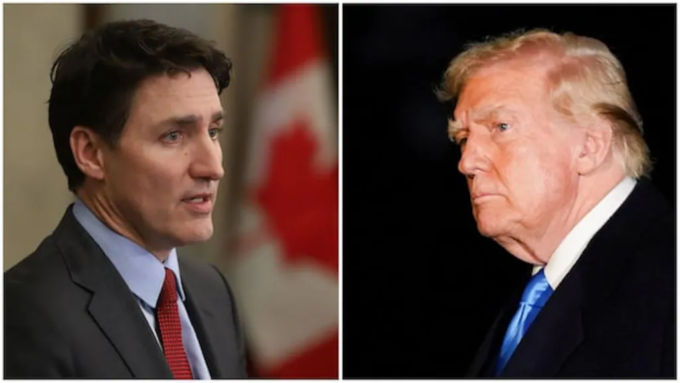
The referendum adds pressure on Prime Minister Mark Carney, who is defending Canadian sovereignty amid American trade tariffs and President Donald Trump’s repeated calls for Canada to become the 51st American state.
Many separatists accuse the Liberal-led federal government of restricting Alberta’s oil industry through environmental policies they consider harmful to the province’s economic interests and development.
Cory Morgan, founder of the pro-independence advertising organisation Pathway to Independence, argued that Canada’s political and economic arrangements disadvantage provinces that generate substantial revenue from natural resources.
Carney, who grew up in Alberta, has urged residents to remain part of Canada, appealing to national pride and encouraging voters to participate in Monday’s referendum.
His administration has reversed some environmental policies and supported a proposed oil pipeline intended to increase Alberta’s exports to Asian markets, partly addressing separatist grievances.
Speaking in Red Deer on Friday, Carney argued that relationships between Canadian provinces should not be reduced to calculations of financial contributions and federal benefits.
Despite supporting independence, many Albertans appear more interested in forcing federal policy changes than establishing a separate country, according to findings from the Angus Reid survey.
Among respondents supporting separation in a future binding referendum, 60 per cent said their motivation was sending a message to Ottawa, while 37 per cent wanted independence.
The findings suggest economic dissatisfaction, particularly concerning energy policies and federal spending, remains a significant driver of Alberta’s separatist movement rather than widespread commitment to nationhood.
Ross Watson, a Calgary resident who voted to remain in Canada during an advance poll, dismissed the arguments for separation but expected the movement to continue.
His position reflects the challenge facing opponents of independence: defeating separation at the ballot box may not resolve the grievances sustaining the campaign.
Alberta Premier Danielle Smith, who supports remaining in Canada, called the referendum after months of pressure from a vocal minority within her governing United Conservative Party.
The vote marks the first referendum on separation from Canada in a province outside predominantly French-speaking Quebec, where independence campaigns have historically centred on language and cultural identity.
In Alberta, however, disputes over economic contributions, environmental regulations and energy policies have played a greater role in strengthening calls for independence.
Smith has said she would pursue a binding referendum if voters support separation. However, questions about currency, defence and border controls remain unresolved among independence advocates.
Duane Bratt, a political scientist at Mount Royal University in Calgary, believes the movement’s established networks and mobilisation efforts could sustain its influence beyond Monday’s referendum.
Bratt said separatists must decide whether to build support for another referendum or establish a dedicated political party capable of challenging Alberta’s existing political establishment.
Voting was scheduled to close at 8 p.m. local time on Monday, with results expected to be published as they became available.
Although separation appears unlikely to win majority support, the referendum could leave Canada’s federal government facing continued demands to reconsider its economic and energy policies.
For Carney and Alberta’s political leaders, the challenge may extend beyond the final result to addressing the concerns that have kept independence demands alive.


















Leave a comment