

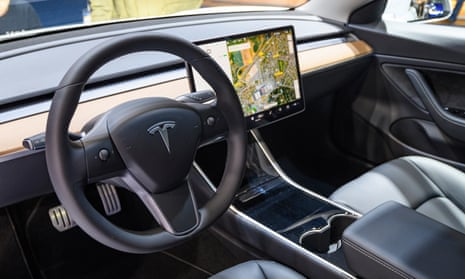
South Korea Accuses Tesla of Selling Self-Driving Technology Customers Cannot Use
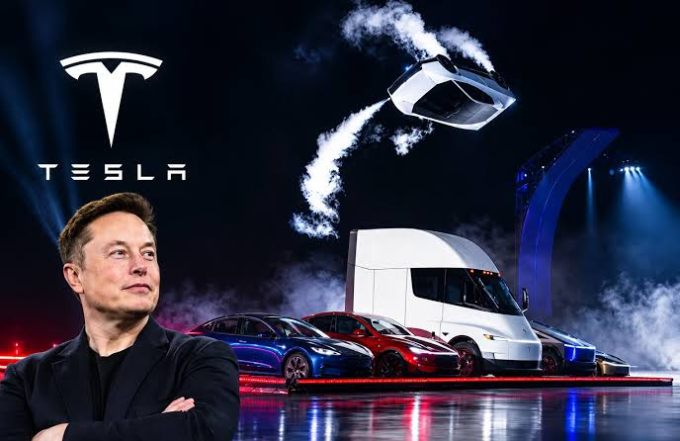
Tesla is facing allegations of misleading customers in South Korea by selling expensive driver-assistance software that most buyers cannot legally activate.
A consumer advocacy organisation plans to petition South Korea’s Fair Trade Commission, accusing the electric vehicle manufacturer of deceptive marketing.
The complaint, scheduled for submission on Thursday, November 5, alleges that Tesla promoted its Full Self-Driving (Supervised) technology despite knowing its limitations.
According to the complaint reviewed by Reuters, approximately 99 per cent of new Teslas sold in South Korea last year were ineligible for FSD.
The software, which attracted payments of up to 9.043 million won ($6,726), remains unavailable on most China-manufactured vehicles sold in the country.
Tesla’s South Korean country manager, Seo Young-deuk, told lawmakers last month that only about 20 per cent of registered Tesla vehicles could use FSD.
Those eligible vehicles were manufactured in the United States and meet safety standards recognised under South Korea’s trade agreement with Washington.
Most Teslas sold in South Korea, however, come from the company’s Shanghai factory, whose vehicles do not enjoy the same regulatory recognition.
Despite collecting payments for the software for more than three years, Tesla only recently began seeking certification for China-made vehicles.
The consumer group, Citizens United for Consumer Sovereignty, argues that customers paid substantial amounts for technology they could not use.
Its automotive policy representative, Choi Young-suk, accused Tesla of generating significant revenue from buyers who received no practical access to the advertised system.
Figures submitted by Tesla to South Korea’s National Assembly show that more than 170,000 Shanghai-produced vehicles entered the country’s market from 2023.
Sales of China-manufactured Teslas incompatible with FSD increased more than fivefold between 2023 and 2025.
The company reportedly advertised the software as ‘coming soon’ and circulated a demonstration video filmed in South Korea without adequately explaining its restrictions.
Tesla also changed its FSD payment structure from one-time purchases to monthly subscriptions costing 150,000 won ($112) in August.
Meanwhile, South Korea’s Fair Trade Commission confirmed that it began examining Tesla’s FSD advertisements earlier this year.
The regulator said it had received written responses from the company but declined to disclose additional information about the investigation.
South Korea’s transport ministry has also raised concerns about the software’s compliance with domestic road safety requirements.
In a statement reviewed by Reuters, the ministry said FSD does not meet certain local regulations, including rules requiring drivers to keep their hands on the steering wheel.
Tesla’s country manager disclosed during an October 8 parliamentary hearing that the company had not formally requested government testing.
The manufacturer subsequently submitted its certification application approximately two weeks after the hearing.
The consumer organisation is asking regulators to suspend FSD advertising for ineligible vehicles, impose administrative penalties and refer the matter for further investigation.
Tesla did not respond to Reuters’ requests for comment.
The allegations come as Tesla strengthens its position in South Korea’s imported vehicle market, recently overtaking BMW in sales.
Separately, a Seoul court dismissed a lawsuit last month seeking refunds from Tesla over FSD’s delayed activation in the country.
The court ruled that regulatory and legal restrictions had affected the company’s ability to introduce additional software functions.





Leave a comment