


By Chioma Madonna Ndukwu
The Way We Live: Your Health Is Your Business, and Your Time Is Your Capital
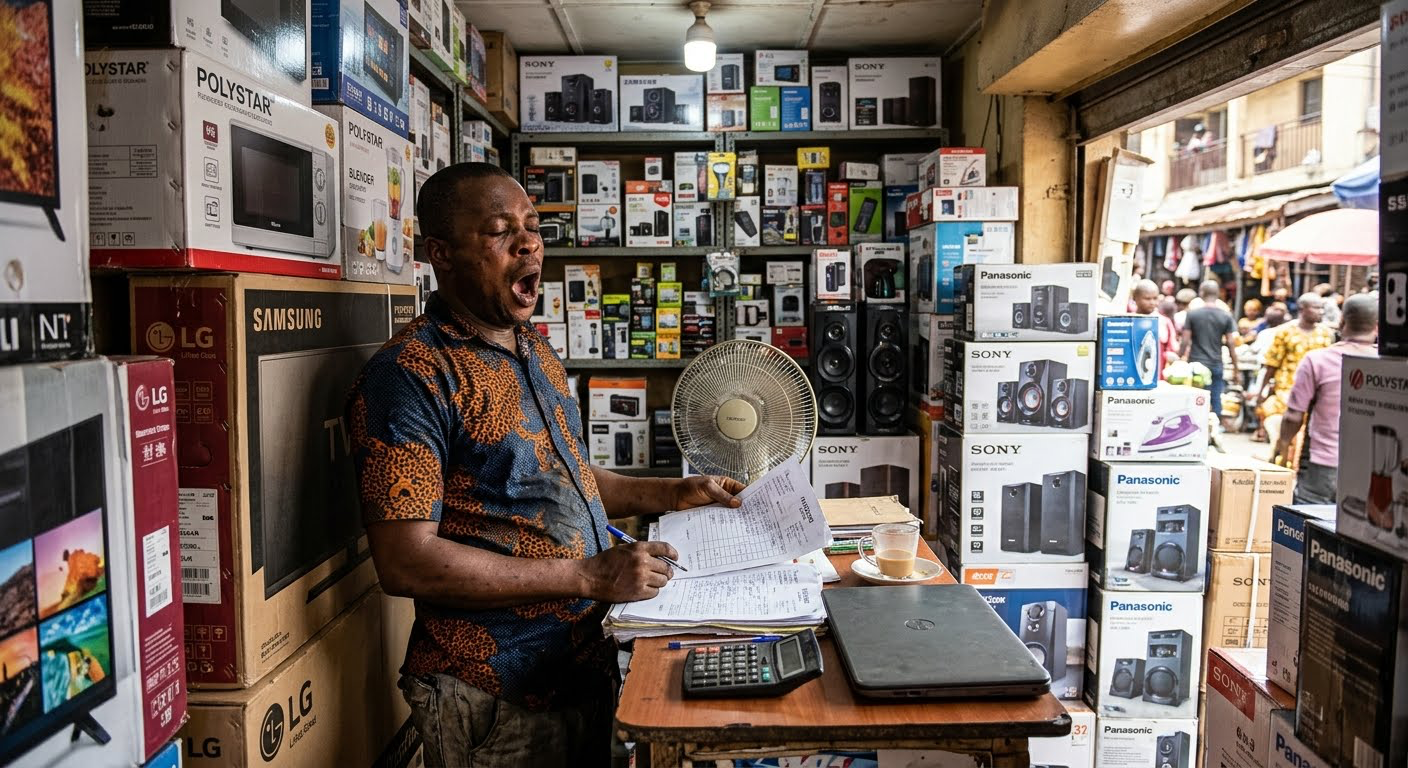
“Doctor, I don’t have time to be sick,” Chinedu told the physician, glancing at his wristwatch as thougt the clock had personally offended him.
The doctor smiled. “Then perhaps you should make time to stay well.”
Chinedu laughed, but the remark followed him home. At 48, he ran a busy building-materials business in Lagos, where every unanswered call seemed capable of costing him money.
His shop opened early, closed late and rarely enjoyed a quiet afternoon. He skipped meals, postponed check-ups and treated sleep like an unnecessary expense.
Whenever his wife complained, he offered the same explanation.
“Let me finish this contract first. After that, I will rest.”
There was always another contract waiting. His business was growing, his children were in school, and his responsibilities seemed to multiply whenever he tried to catch his breath.
One morning, Chinedu became dizzy while attending to a customer. His staff offered him a chair, while his wife insisted that he visit a hospital.
“I am fine,” he protested.
“You are sitting down because the floor nearly collected you as its customer,” his wife replied.
Even Chinedu laughed. But beneath the humour was a serious question: what was he building if he neglected the person expected to enjoy it?
Many people recognise themselves in Chinedu. The trader who eats only when the market slows, the driver who ignores persistent pain, and the office worker answering emails at midnight may share his habits.
Their reasons are understandable. Bills do not pay themselves, food prices keep families calculating every naira, and many workers cannot afford to lose a day’s income.
Yet the body is not a machine that can run indefinitely without maintenance. Even the strongest generator needs servicing, and no sensible owner waits for smoke before checking the engine.
Your health is your business, and your time is your capital. The saying invites us to consider something we often overlook: our ambitions depend partly on the condition of the people pursuing them.
Money can be saved, borrowed, invested or earned again. Time moves differently. Once an hour has passed, no amount of wealth can persuade it to return.
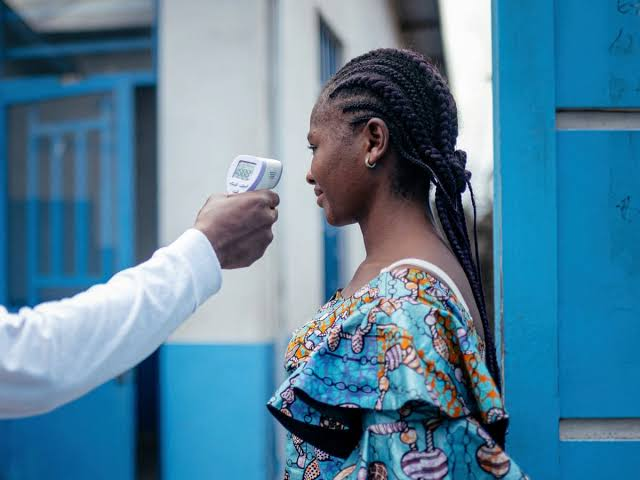
Health deserves attention before a crisis demands it. High blood pressure, for example, can develop without obvious symptoms, which is why appropriate checks matter even when someone feels perfectly well.
The World Health Organization defines health in terms of physical, mental and social well-being, not merely the absence of disease. That understanding takes us beyond hospital walls.
It includes the exhausted parent who never asks for help, the lonely retiree whose days have grown silent, and the young worker who believes constant anxiety is simply part of adulthood.
Our bodies need nourishment, movement and rest. Our minds need breathing space, and our relationships need time that is not constantly interrupted by work, worry or the glowing screen beside us.
The WHO recommends that adults undertake at least 150 minutes of moderate-intensity physical activity each week. This does not require expensive equipment or a gym membership.
Brisk walking, cycling and dancing are among the activities that can help. Yet safe streets, suitable public spaces and the freedom to exercise are not available to everyone.

Food choices matter, too. Balanced meals, sufficient water and regular eating habits can support well-being, but healthy living should not become another competition reserved for people with comfortable incomes.
For families struggling to afford essentials, advice about expensive diets can sound disconnected from reality. Affordable healthcare, safer working conditions and accessible public health services must support personal efforts.
There is also the question of loneliness. Former United States Surgeon General Dr Vivek Murthy has highlighted the health consequences of social disconnection, reminding us that human relationships are not decorative extras.
Sometimes, a call to an old friend, a conversation over dinner or an honest admission of distress can make a difficult day less lonely. Professional support is important when it is needed.
Benjamin Franklin’s familiar saying, “An ounce of prevention is worth a pound of cure,” captures the value of addressing problems early. Preventive care cannot stop every illness, but recommended checks can identify certain risks.
Across the world, the struggle to balance work and well-being takes different forms. In Japan, long working hours have raised concerns about overwork:
In the United States, job pressures can affect personal time, while workers in the United Kingdom, Germany and South Africa also navigate competing demands on their health, families and livelihoods.
Despite these differences, one truth remains: earning a living should not mean sacrificing the health needed to enjoy it.
We should not wait for a frightening diagnosis before taking persistent symptoms seriously. Nor should we assume every ache signals disaster; qualified health professionals can help determine what needs attention.
Chinedu eventually began changing his routine. He arranged a medical appointment, stopped skipping lunch whenever possible and trusted an employee to handle some daily business decisions.
The shop did not collapse. Customers still came, suppliers still called, and the world continued turning without Chinedu personally answering every question.
One evening, his wife noticed him closing the shop earlier than usual.
“Are you going somewhere?” she asked.
“Yes,” he replied. “Home. I hear my children have been living with their mother for years, and I should probably meet them.”
She burst out laughing.
Behind the joke was a truth many busy people discover too late: providing for a family and being present in its life are not always the same thing.
We cannot control every illness, accident or circumstance. Some people work punishing hours because they have little choice, while others face barriers that personal discipline alone cannot overcome.
Still, where choices are available, small changes are worth making. Protect your sleep, move regularly, eat balanced meals when possible, attend appropriate check-ups and seek advice about symptoms that persist.
Make room for friendship, laughter and quiet moments. Delegate when you can, and remember that asking for help is not a confession of failure.
Your work matters. Your business matters. Your responsibilities matter. But you matter, too—not merely as the person who earns, provides, solves problems and keeps everyone else moving.
Do not spend every hour building a future that leaves you too unwell or exhausted to enjoy it. The life you are working towards is happening now.
Personal Thoughts:
I often think about how easily we postpone ourselves. We promise to rest after the next deadline, visit the doctor after the next payment, and enjoy our families when work finally slows down.

But tomorrow is not a date we can personally guarantee. Caring for ourselves is not selfishness; it helps us participate more fully in the lives and responsibilities we value.
One Thing Worth Remembering:
Your time is precious, but your health influences how you experience it. Treat both as assets worthy of care, not resources to exhaust without thought.
Let’s Talk:
Have you ever postponed rest, a medical appointment or time with loved ones because work seemed more urgent? What small change could help you protect your well-being this week?






















Leave a comment