



Russia, Ukraine Agree to Ceasefire as Civilians Face Severe Shortages
Russia and Ukraine have agreed to a temporary ceasefire in the Russian-occupied Ukrainian city of Oleshky to allow humanitarian aid deliveries and civilian evacuations amid worsening shortages of food, water and electricity.
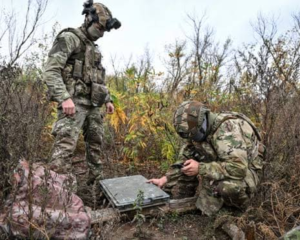
The White House announced the agreement on Friday, October 23, saying military operations in the city would be suspended from October 29. However, neither Moscow nor Kyiv had publicly confirmed the arrangement at the time of the announcement.
According to the statement, the ceasefire was brokered by US First Lady Melania Trump, whose representative worked with Russian and Ukrainian officials to establish its terms.
Melania Trump said civilians wishing to leave would receive coordinated assistance and transportation to destinations of their choice, including locations in Russia or Ukraine.
Oleshky, in southern Ukraine, has remained under Russian occupation since February 2022. Reports indicate that approximately 2,000 residents remain in the city, where deteriorating living conditions have left many struggling to obtain basic necessities.
Some residents have reportedly resorted to eating weeds and boiled grass alongside limited supplies of bread and other food.
Ukraine has repeatedly called for the evacuation of civilians from Oleshky and surrounding settlements. Ukrainian forces have also used drones to deliver emergency food and medical supplies to people trapped in the area.
Starlink Restrictions Continue to Affect Ukrainian Forces
Meanwhile, Ukrainian officials have reported continued disruptions to the Starlink satellite communications network used by the country’s military, despite US President Donald Trump’s claim that restrictions on the service had been lifted.
The disruption reportedly began last week amid public disagreements involving Trump, SpaceX founder Elon Musk and Ukrainian President Volodymyr Zelenskyy over Ukraine’s attacks on Russian oil refineries.
Both Trump and Musk have denied responsibility for the restrictions.
Asked on Thursday about reports that he had contacted Musk regarding the issue, Trump declined to comment directly but insisted that the service had been restored.
However, Ukrainian military expert Serhii Beskrestnov, who advises Zelenskyy, said there was no evidence that the restrictions had been removed.
He explained that occasional improvements in connection speeds could reflect technical conditions or SpaceX’s operating systems rather than a policy change.
The limitations have reportedly affected military equipment, including drones, that depend on Starlink connections during high-speed operations. This has complicated some Ukrainian offensive missions and efforts to intercept Russian attacks.
US-Ukraine Relations Face Fresh Strain
The continuing communications problems, alongside Washington’s reported temporary suspension of intelligence-sharing with Kyiv, have further strained relations between the United States and Ukraine.
Tensions have also grown over the Trump administration’s reported easing of sanctions on Russia and the resumption of Russian diesel imports as Washington seeks to reduce domestic energy costs ahead of the US midterm elections.
Meanwhile, Russia launched another overnight barrage against Ukraine as diplomatic efforts to end the war remained uncertain.
Kremlin spokesman Dmitry Peskov said trilateral negotiations involving Russia, Ukraine and the United States could resume in Abu Dhabi in November.
Previous discussions have failed to resolve major disagreements, particularly over territory, Ukraine’s military strength and its potential membership of the North Atlantic Treaty Organization.
Russian President Vladimir Putin reiterated Moscow’s position on Thursday, questioning Ukraine’s sovereignty over territories occupied by Russian forces and describing them as Russia’s historical lands.

The latest developments highlight the continuing humanitarian consequences of the war, even as diplomatic efforts and discussions over a possible settlement continue.
























Leave a comment