


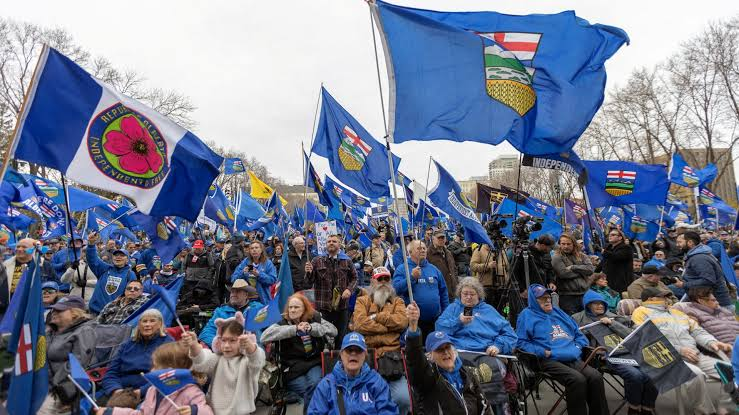
Alberta Independence Referendum: Voters Deliver Major Blow to Canada Separatists
Residents of Alberta have voted overwhelmingly to remain part of Canada, dealing a major setback to the province’s independence movement after months of debate over its future within the country.

The Canadian Broadcasting Corporation (CBC) projected a victory for the ‘remain’ campaign following Monday’s referendum, with early results showing strong support for Alberta to stay in the Canadian federation.
More than one million votes had been counted by 12:30 a.m. local time, with 76.5 per cent of voters supporting remaining in Canada, while 23.5 per cent backed the referendum option associated with independence.
The results represent a significant setback for separatists who have campaigned for greater autonomy from Ottawa and argued that Alberta’s economic interests have not received adequate attention from the federal government.
The referendum featured 10 questions, including the one on Alberta’s future within Canada. Five questions focused on immigration, while four proposed constitutional changes. Counting for the other questions was still underway when the initial results emerged.
The independence question’s results were delayed after a polling station in the Cardston-Siksika constituency remained open longer than expected.
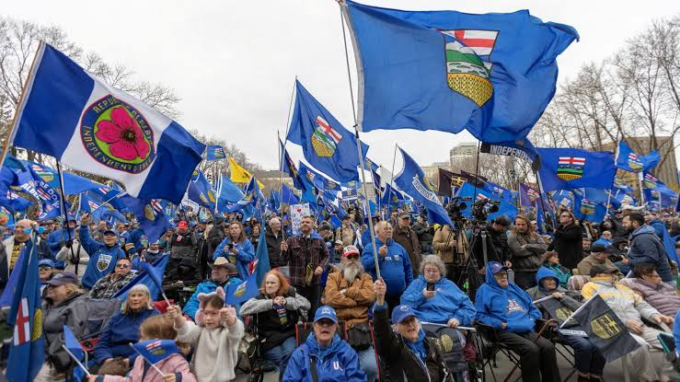
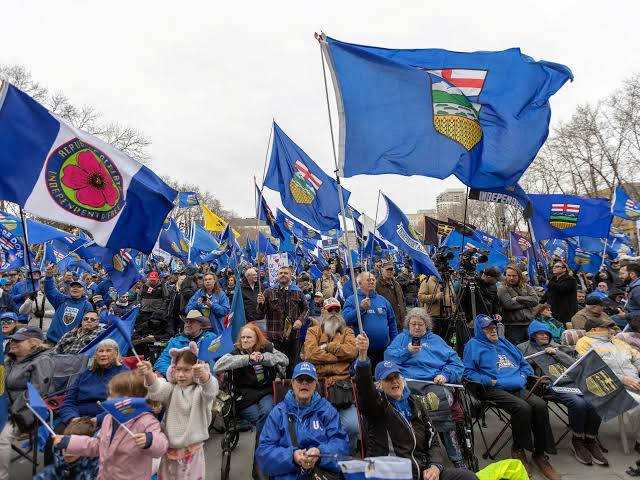
Supporters of a united Canada celebrated as the projected results became public on Monday night, with crowds at pro-federalist gatherings cheering and chanting in support of the country.
Thomas Lukaszuk, founder of the Forever Canadian campaign, said the outcome demonstrated that Albertans remained proud of their Canadian identity.
Speaking at a gathering shortly before midnight, Lukaszuk said the result showed Alberta would not become a weak link in the Canadian federation.
However, he urged supporters to recognise the concerns of those who voted for independence, stressing the importance of dialogue rather than continued political division.
He said Albertans needed to move beyond their disagreements and work together, despite their different views about the province’s future.
Alberta Premier Danielle Smith welcomed the early results, describing the support for remaining in Canada as evidence that residents wanted a stronger province within a united country.
In a post on X, Smith thanked voters for participating in what she described as important referendum questions.
The premier also announced plans to address Albertans on Tuesday evening, October 20, to discuss the outcome and outline the next steps for the province.
Smith had previously indicated that she would vote for Alberta to remain in Canada. Earlier in October, she also said she would not organise another independence referendum while serving as premier if voters rejected separation.
The independence question was added to the ballot after Smith argued that the concerns of residents who signed competing petitions about Alberta’s future deserved to be addressed through a public vote.
However, the issue exposed divisions within her United Conservative Party, with polling suggesting that support for independence was relatively strong among some party supporters.
Supporters of Alberta independence have argued that the province has been unfairly treated by the federal government for years.
They have particularly criticised federal environmental policies, claiming that regulations affecting the oil and gas industry have restricted Alberta’s economic potential.
Alberta is a major energy-producing province, and disagreements over natural resources, federal policies and the distribution of economic benefits have contributed to tensions between its political leaders and Ottawa.
Keith Wilson, a prominent figure in the independence campaign, said before the results emerged that he wanted strong support for separation to send a clear message to the federal government.
Although the projected outcome favoured remaining in Canada, Wilson argued that the independence campaign had highlighted concerns that could not simply be ignored.
He maintained that the debate over Alberta’s place within the federation would continue beyond the referendum.
The projected defeat of the independence option has also raised questions about the future direction of Alberta’s separatist movement and the leadership of the governing United Conservative Party.
Jeffrey Rath, co-founder of the Alberta Prosperity Project, said the movement would continue its activities despite the referendum setback.
Rath compared the situation to political parties that remain active after electoral defeats, arguing that one disappointing result would not end the campaign for independence.
However, he also suggested that the outcome should prompt serious discussions within the United Conservative Party about Smith’s leadership.
According to Rath, questions could arise over whether the party should continue under a leader who supports keeping Alberta within Canada if a substantial proportion of its supporters favour independence.
The disagreement highlights the political challenge facing Smith as she attempts to balance the demands of her party’s supporters with her position on national unity.
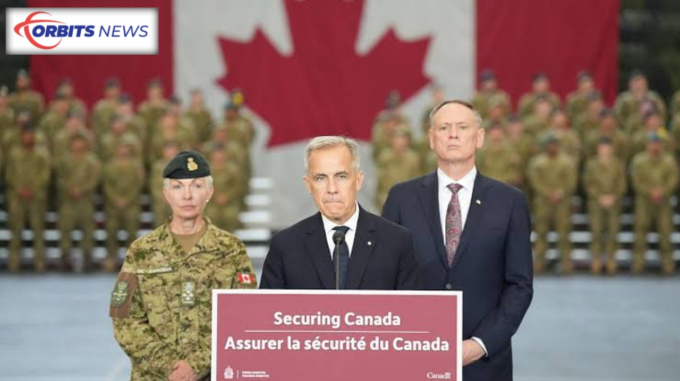
Canadian Prime Minister Mark Carney also welcomed the referendum outcome, saying the results demonstrated that Albertans and other Canadians could move forward together with renewed determination.
In a statement released on Tuesday morning, Carney described Canada as a country whose strength comes from the combined contributions of its provinces and territories.
He said the outcome presented an opportunity to strengthen the country and improve conditions for Canadians across the federation.
During a visit to Alberta the previous week, Carney had urged residents to reject nine ballot questions unrelated to separation, echoing a campaign by supporters of national unity.
The federal government’s response comes amid efforts to improve relations with Alberta after years of disagreements over energy development, environmental regulation and provincial autonomy.
The referendum attracted considerable public interest, with election officials anticipating a record turnout.
Elections Alberta had projected participation of between 80 and 85 per cent, significantly higher than the 60.5 per cent recorded during the province’s last provincial election.
More than 1.3 million residents had voted early through advance polling stations or mail-in ballots, reflecting the importance many Albertans attached to the questions on the ballot.
However, the voting process encountered delays after election officials reported that more than 100 polling stations had failed to open on time.
The delays contributed to uncertainty surrounding the announcement of the results, although counting continued as officials processed ballots.
With the independence question producing a clear projected victory for the remain campaign, attention is now shifting to the remaining referendum questions and the political implications of the outcome.

For Alberta’s separatists, the result represents a major challenge. For supporters of Canadian unity, it provides renewed momentum to push for a stronger relationship between the province and the federal government.


















Leave a comment