

By: Chioma Madonna Ndukwu
The Way We Live: Five Empty Seats Before Second Year
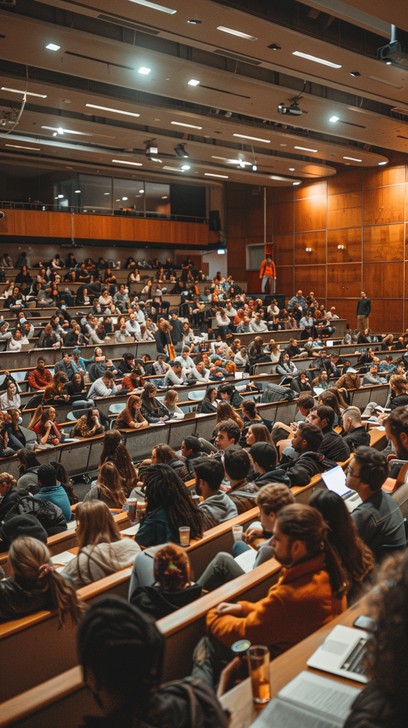
During our first year at university, the lecture hall felt too small for the number of dreams packed inside it.
Students arrived early to reserve seats for friends. Those who came late squeezed into corners or stood by the windows. Before lecturers arrived, the room buzzed with conversations about examinations, future careers and the lives we imagined waiting for us beyond graduation.
Kelvin was one of the loudest voices in the room. One afternoon, after a difficult test, he dropped his pen on the desk and shook his head dramatically.
“If this school succeeds in frustrating me, my village people deserve an award.”
The room erupted with laughter.
“You’re talking now,” David replied. “Wait until second year.”
“Second year should be afraid of me,” Kelvin shot back.
For the rest of the day, classmates repeated the joke whenever they passed him.
A few rows away sat Zainab, who never missed an opportunity to remind everyone why she was there.
“My mother has already planned my graduation party,” she would say whenever discussions about dropping out came up.
“And what if you fail?” somebody teased.
She smiled.
“Then I won’t attend the party.”
Even the lecturer laughed.
Michael was different. He was the kind of student people naturally gravitated toward. If someone missed a class, Michael shared his notes. If a study group was struggling, Michael stayed behind to help.
Amara rarely spoke about herself, but she listened to everyone else’s problems as though she had all the time in the world.
Looking back now, it is strange how confidently we believed we would all reach the same destination.
Youth has a way of making tomorrow feel guaranteed.
Then first year ended. When we returned for the next session, something felt slightly different.
Not enough to alarm anyone. Just enough to notice. Kelvin’s seat was empty.
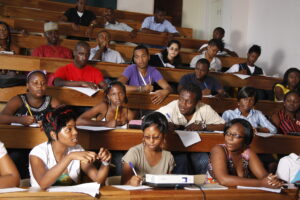
“Has anyone heard from him?” somebody asked.
“He’ll probably show up next week,” another student replied.
The next week came. Then another. Kelvin never returned. The lectures continued, even as assignments piled up.
Students worried about their own challenges. Life moved forward.
Then David disappeared too.
Unlike Kelvin, whose absence arrived without warning, David’s struggle had unfolded in plain sight.
There were days when he sat in class staring at the whiteboard as though it were written in a foreign language. While some students seemed to absorb information effortlessly, David fought for every mark he earned.
One evening, after receiving another disappointing result, he sat outside a lecture hall long after everyone else had left.
“I study,” he said quietly to a friend. “I really do. But sometimes I feel like the more I read, the less I understand.”
The friend tried to encourage him. So did others. But encouragement does not always overcome reality.
Eventually, David stopped coming. Not long after, Zainab’s seat became empty too.
People knew her family had been struggling financially, but few understood how serious things had become.
Her father’s business was failing. School fees became difficult to pay.
The future she had spoken about so confidently was suddenly competing with rent, food and responsibilities that could not be postponed.
The last time many classmates saw her, she was carrying a small bag toward the campus gate.
“We’ll see you next semester,” someone called out.
She smiled politely.
“I hope so.”
Those three words would linger for years.
Then came Amara. Most people assumed she was doing fine because she rarely complained.
What they did not know was that every day after lectures, another shift of responsibilities waited for her at home.
Family obligations consumed hours that should have gone into studying. While others revised for tests, she was solving problems that never appeared on examination papers.
Her attendance became irregular. Then one day, her seat was empty too.
Michael’s story hurt the most because it began with hope. At first, people said he was receiving treatment.
Then they said he was recovering. Then they said he would soon return. For months, every new rumour carried optimism.
Until the day the news arrived that he would never return at all. For the first time, the classroom fell silent. Death had turned an empty seat into something permanent.
By the time graduation came, life had carried all of us in different directions. Some classmates walked across the stage to collect their degrees before beginning careers. Life scattered classmates across different cities and different countries.
One day, somebody shared an old graduation photograph from our department. I studied it carefully. There were smiles everywhere.
Some graduates became teachers. Others entered banking, business, journalism and public service.
Yet the longer I stared at the photograph, the less interested I became in the people standing in it.
My eyes kept drifting toward the spaces where five other faces should have been.
That was when I realized the story of a classroom is never told by graduates alone.
Many years later, during a conversation with a nurse in Winnipeg, she told me she had abandoned her university education after her father died unexpectedly.
“People thought I quit,” she said. “The truth is that life happened faster than my plans.”
In a small café in Curitiba, a business owner once laughed when somebody asked whether he regretted leaving school.
“My mother needed help,” he said. “The classroom could wait. The bills couldn’t.”
And in Cebu City, a woman spoke about spending years caring for younger siblings before she finally returned to complete her education.
Different lives, from different countries, with different reasons, but same empty seat.
Perhaps that is what Chimamanda Ngozi Adichie meant when she said, “Many stories matter.”
We celebrate the students who cross the finish line, and rightly so.
But those who leave the race carry stories too. They have stories of sacrifice, stories of struggle, stories of choices, even stories of circumstances. These stories that deserve understanding rather than assumptions.
Whenever I think about Michael and others whose educational journeys ended too soon, I remember the words of Malala Yousafzai:
“One child, one teacher, one book and one pen can change the world.”
Not everyone gets the same opportunity to complete that journey.
The older I get, the less interested I become in judging people who left. Some made mistakes. Some discovered different paths. Some were overwhelmed by responsibilities.
Some encountered tragedies they never anticipated. And some fought battles invisible to everyone around them.
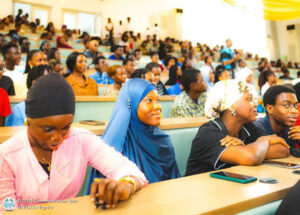
Sometimes, when I look at old class photographs, I do not count the people who graduated. I find myself searching for the faces that disappeared along the way.
Moral:
A person’s worth should never be measured by whether they reached the same destination as everyone else. Some journeys end early, some change direction, and some are interrupted by circumstances beyond human control. Compassion begins when we stop asking why people failed and start asking what they carried.
Comment Hook:
What about you? Do you remember a course mate whose seat became empty before graduation? Did you ever learn what happened to them, or are they still one of the unanswered stories from your school days?