

By: Chioma Madonna Ndukwu
The Way We Live: Obinna Never Expected August Meeting to Call His Name
“Obinna!”
The young man turned around, expecting to see one of his friends.
Instead, one of the elderly women beckoned to him.
“Come here, my son.”
He walked towards the gathering with a hesitant smile.
“Do you know why we asked for you?”
He shook his head.
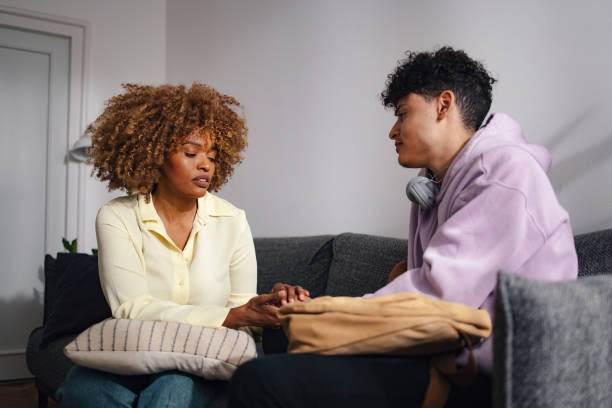
The woman looked at him quietly before saying, “Your mother has been carrying a burden that has become too heavy for her alone.”
For a moment, the women looked at him without saying another word. The message had already reached him before anyone needed to explain it.
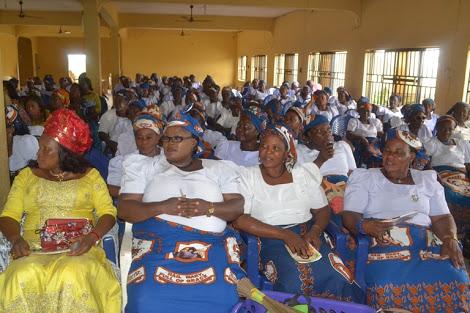
That afternoon, the women gathered for the annual August Meeting agreed that talking about development meant very little if they ignored the pain inside one of their own homes.
Obinna had become the young man mothers warned their children about.
He fought at the slightest provocation, stole whenever an opportunity presented itself and, worst of all, had developed the shameful habit of beating the woman who had brought him into the world.
His mother cried behind closed doors, believing it was a family problem. She did not know that in those days, some pains refused to remain inside one compound.
Your mother should not be afraid in her own house,” one of the women said quietly.
Obinna lowered his eyes.
Another woman stepped forward.
“We are not here because we hate you. We sent for you because we still believe there is a good man somewhere inside you.”
For the first time since he arrived, the confidence that usually announced his presence disappeared.
One of the elders spoke.
“In this community, a mother’s tears concern all of us.”
That afternoon did not end with words alone. In keeping with the customs of the time, and with the support of a few elders, Obinna was publicly disciplined before the gathering. It was not done in anger or as a spectacle.
The women believed they were drawing a firm line against a son who had forgotten the dignity of the woman who gave him life.
Before he returned home, he was warned that if he ever raised his hand against his mother again, he would answer not only to her but to the entire community.
Whether people today agree with that method or not, it reflected a generation that believed the well-being of a family could never be separated from the well-being of the community.
That memory has remained with me ever since.
When I was growing up in Igboland, August Meeting was never simply an annual gathering of married women.

It was the season when daughters returned home carrying more than travel bags. They came with ideas, experience, compassion and an unspoken determination to leave their communities stronger than they had found them.
The conversations were rarely about one thing alone.
Someone would raise the condition of the village school. Another would speak about the broken borehole.
A widow who had quietly struggled through the year would suddenly discover she was no longer carrying her burden alone.
Plans would be made to visit orphanages, support families in distress, encourage young mothers and remind one another that building a peaceful home was as important as building a new town hall.
Every meeting carried the same quiet conviction: a community could not celebrate development while ignoring the people who lived within it.
Looking back now, I realise the women were doing something remarkable.
They understood that progress was measured not only by the roads a village built but also by the character it nurtured, the vulnerable it protected and the hope it gave to those who thought they had been forgotten.
Personal Thoughts:
Strong communities are not built by perfect families. They are built by neighbours who refuse to ignore one another’s burdens.
One Thing Worth Remembering:
The greatest legacy of August Meeting was not the gathering itself, but the belief that a community grows stronger when its people care for one another.
Let’s Talk:
If August Meeting were held in your community today, what issue would you want discussed first?
Editor’s Note:
Obinna is a fictional name used to protect privacy. This feature is inspired by real memories of August Meeting in an Igbo community and reflects its enduring values of shared responsibility, community care and collective progress.