

By: Chioma Madonna Ndukwu
The Way We Live:Daniel Was Everyone’s Favourite Good Man, Except at Home
Everyone in the neighbourhood knew Daniel as the man who never walked past someone in need.
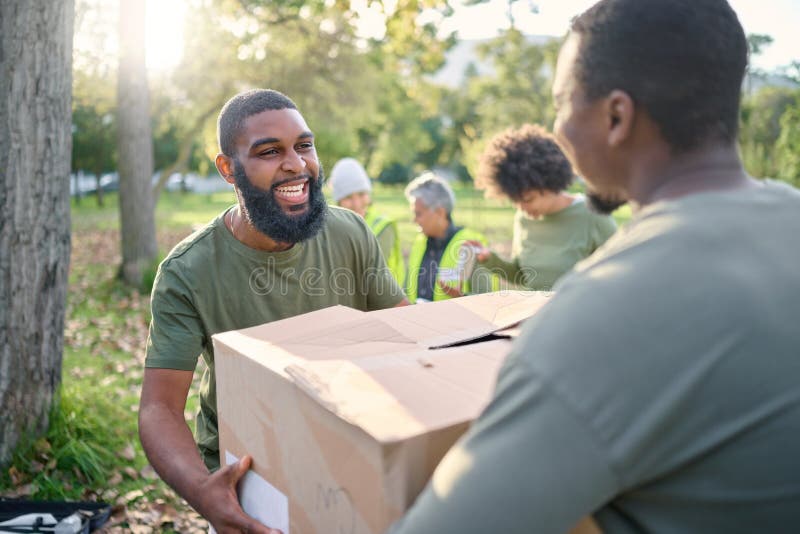
He was the first to contribute when a neighbour’s child needed school fees, the man who carried an elderly woman’s bags at the market and a familiar face at church charity programmes.
When someone needed help with hospital bills, Daniel was usually among the first people to contribute.
His social media pages carried photographs of food donations, community projects and grateful people smiling beside him.
People spoke highly of him.
“That man has a good heart.”
“Daniel is different.”
“He doesn’t know how to say no when someone needs help.”
Daniel enjoyed hearing those words, though he rarely admitted it.
At home, however, his family knew a different Daniel.
His wife had learned to recognise the sound of his car before it reached the gate. His children knew when to lower their voices and retreat to their rooms. A small mistake could turn an ordinary evening into an uncomfortable one.
One Saturday afternoon, Daniel returned from a community programme where he had distributed food packages to several families.
A neighbour stopped him at the gate.
“Daniel, God will continue to bless you. You are always thinking about other people.”
Daniel smiled.
“We are all we have. If we don’t help one another, who will?”
His neighbour nodded and walked away.
Daniel entered the house.
“Why is this place so untidy?”
His teenage daughter looked up from the dining table.
“Mum said she would clean it after cooking.”
Daniel frowned.
“Your mother said that?”
She nodded.

His voice rose. He complained about the house, the food and the children. His daughter quietly gathered her books and disappeared into her room.
There was no camera, and no applause, not even a neighbour waiting to praise him. Only his family.
Later that evening, his wife sat beside him.
“You were very kind to those people today,” she said.
Daniel looked at her.
“What are you trying to say?”
She hesitated.
“I sometimes wish the people outside could meet the Daniel we know at home.”
His face hardened.
“So now I’m a bad person?”
“I didn’t say that.”
“But that’s what you mean.”
She looked away.
“No. I’m saying the people who love you shouldn’t have to be afraid of you.”
The words stayed in the room long after she stopped speaking. Many families know this kind of silence.
There are people who are gentle with strangers but impatient with their spouses. People who speak beautifully about compassion but have little patience for their children.
People who give generously in public but make those closest to them feel that kindness is something they must earn.
That does not mean every act of public generosity is fake. A person can genuinely care about strangers and still struggle with anger, pride or patience at home. Human beings are complicated.
But there is a difference between having flaws and repeatedly giving the world your best while reserving your worst for the people who cannot simply walk away.
Whether in Lagos, London, Nairobi, Johannesburg, New York or elsewhere, families recognise the contradiction.
The details may differ, but the question remains familiar: Who are we when there is no audience? The world sees the photographs.
The family sees what happens after the photographs are taken. The world hears the speeches. The family hears the words spoken when the doors are closed.
That is why character cannot be measured only by public approval. It is also revealed in ordinary moments when there is nothing to gain from being kind.
Maya Angelou once said, “When someone shows you who they are, believe them the first time.”
The words are often used when talking about relationships, but they also invite us to examine ourselves. The people closest to us often see the parts of our character that the outside world never meets.
The Bible offers another reminder: “Let us not love with words or speech but with actions and in truth.”
Love becomes most convincing when it reaches the people who cannot offer us applause in return.
Daniel’s daughter had slowly stopped asking him for help with schoolwork. His wife had stopped telling him when she was overwhelmed because she knew a simple complaint could become another argument.
Neither had announced that they were withdrawing from him. They simply became quieter. That was how Daniel began losing something he did not realise he was losing.
One Sunday after church, his pastor stopped him.
“You have been doing wonderful work in the community,” he said.
“Thank you, sir.”
“But how are things at home?”
Daniel smiled.
“Everything is fine.”
The pastor looked at him for a moment.
“Good. Because the people who share your home should not have to compete with the people who receive your kindness outside it.”
Daniel’s smile disappeared.
He drove home that afternoon thinking about his daughter’s silence, his wife’s hesitation and all the times he had been celebrated for being a good man.
For the first time, he wondered whether the people who knew him best would use the same words.
That evening, he found his daughter at the dining table.

“How was your day?” he asked.
She looked up cautiously.
“Fine.”
“How is school?”
“Fine.”
Daniel pulled out a chair.
“Tell me about it.”
She studied his face.
“Why?”
“Because I want to know.”
She began slowly.
It was not a dramatic transformation. One conversation could not erase years of tension. But something had changed. Daniel was finally listening without preparing a defence.
He was beginning to understand that kindness is not a public performance. It is a habit that should survive the closing of a gate, the switching off of a camera and the disappearance of an audience.
The people outside may applaud the good things we do. The people at home simply live with who we are. And sometimes, that is the most honest audience we will ever have.
Personal Thoughts:
Kindness should not be reserved for people who can praise us. The people who share our home deserve the same patience, respect and tenderness we readily offer the world.
One Thing Worth Remembering:
A good reputation outside the home means little if the people inside the home constantly receive the worst version of us.
Let’s Talk:
If the people who know you best were asked to describe your kindness, would their answer be the same as the people who only know you from outside?
Editor’s Note:
Daniel and the other characters in this feature are fictional. The story explores the difference between genuine kindness and public performance and encourages readers to examine how their character is experienced by the people closest to them.