


18 Million Children Out Of School: Northern Govs Must Act Now Or Face Disaster– Yahaya
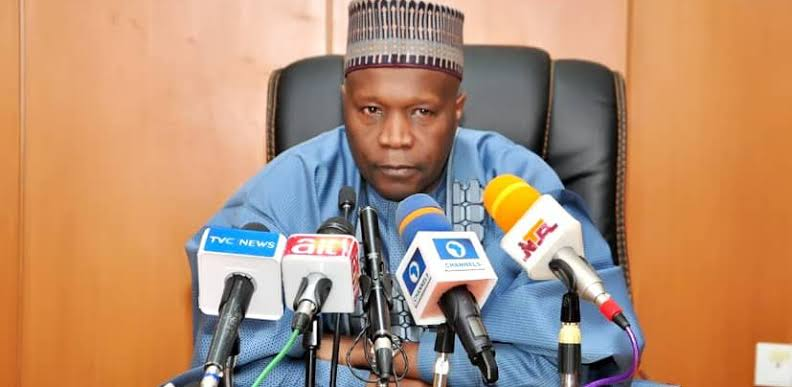
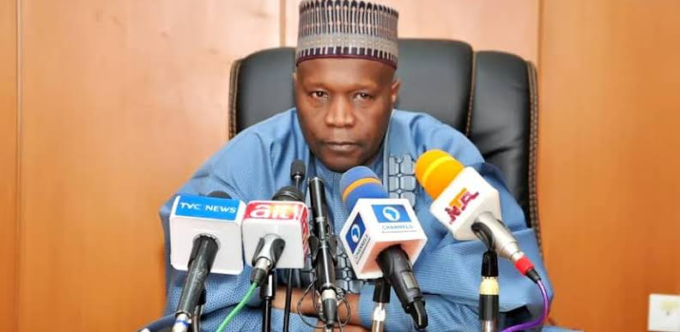
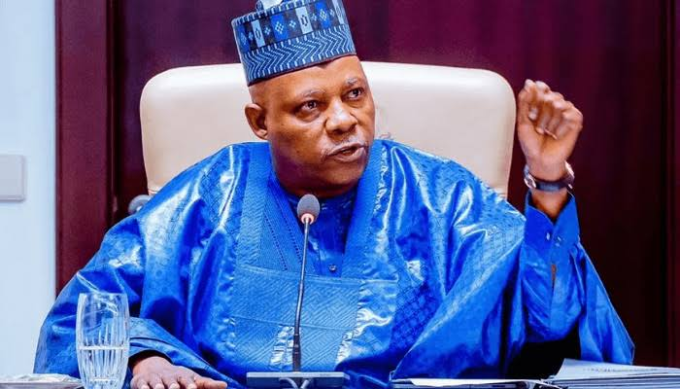
Gombe State Governor and Chairman of the Northern States Governors’ Forum, Muhammadu Yahaya, has called on Northern governors to adopt a coordinated regional strategy to tackle the growing number of out-of-school children.
Yahaya warned that poverty, insecurity and educational exclusion are threatening the region’s future, and that the North could no longer afford to operate without a common development agenda.
The governor spoke on Saturday at the 2026 Biennial Dialogue, Lecture, Dinner, Awards and Recognition Ceremony organised by the Barewa Old Boys’ Association, Gombe State Chapter.
The event focused on the theme, “The Scourge of Out-of-School Children in Nigeria and the Implications for National Security and National Development.”
Yahaya said Nigeria had an estimated 18 million children outside the formal education system, with Northern Nigeria accounting for a disproportionate share.
Behind The 18 Million Figure
He said: “Behind these statistics are real human stories: children whose dreams are cut short by poverty, girls denied education by circumstances beyond their control, and young boys growing up on the streets without the knowledge and skills needed to build their future.”
He described the situation as more than an educational challenge, warning that it had serious implications for economic development, social stability and national security.
He said: “We must therefore recognise that the out-of-school children crisis is not merely an educational problem. It is a development emergency and a national security concern.”
Yahaya said security operations alone could not guarantee lasting peace without deliberate investments in education, employment opportunities and human capital development.
He argued that Northern governors must look beyond individual state policies and develop a regional framework capable of addressing the challenges confronting the region.
A Regional Plan, Not Politics
He advocated what he described as backward integration, urging leaders to examine the region’s past educational achievements, assess its present challenges and plan for future population growth.
Reflecting on the establishment of Barewa College and other historical educational institutions, Yahaya said Northern Nigeria needed to recreate the kind of educational vision that produced generations of leaders.
Yahaya suggested that every Northern state should consider establishing institutions modelled after Barewa College to expand access to quality education and promote unity among young people from different states.
He also called for greater attention to basic education, saying governments must not concentrate disproportionately on tertiary institutions while millions of children lacked access to primary and secondary education. He disclosed that his administration had constructed about 400 primary schools in Gombe State, while also working to improve teacher training and recruit qualified teachers.
He said the challenge was not simply getting children off the streets, but ensuring they remained in the system, acquired relevant skills and completed their education, including through vocational and technical education.
Yahaya warned that poverty, insecurity and educational exclusion reinforced one another in a vicious cycle, and urged traditional rulers and religious institutions to become active partners in ensuring children attended school.
He cautioned that the dialogue must not end with speeches, urging the Barewa Old Boys’ Association to deploy its network towards scholarships, mentorship, advocacy and partnerships.
Speaking as Chairman of the Northern States Governors’ Forum, he pledged to present recommendations from the dialogue for consideration, and urged political leaders to put aside partisan differences.
“Whatever it takes, we must align. The politics of government will not take us anywhere. We will continue to suffer,” he warned.
Earlier, the National President of the Barewa Old Boys’ Association, General Alwali Jauji Kazir (retd.), said the crisis was a developmental, social, economic and national security concern that required collective intervention. He cautioned against portraying out-of-school children themselves as security threats, describing them instead as vulnerable children whose circumstances demanded urgent attention.
He called for reliable data, improved access to basic education, safer schools, and collaboration among governments, traditional rulers, religious leaders, parents, civil society and development partners, saying the association would contribute through mentorship, scholarships, advocacy and partnerships.



















Leave a comment