



By: Chioma Madonna Ndukwu
The Way We Live: Her Mother Kept Calling at Seven
Every evening at exactly seven o’clock, Mrs. Vivian called her daughter. The ritual never changed.
“Have you eaten?”
“Yes, Mama.”
“How were lectures?”
“Stressful.”
“Are you taking care of yourself?”
“Mama, I’m fine.”
Sometimes the conversations lasted three minutes, sometimes five. Sometimes her daughter would laugh and say,
“Mama, you ask the same questions every day,”
and Mrs. Vivian would laugh too and reply, “Then keep giving me the same answers.”
That was enough. A mother’s peace does not always arrive in grand gestures. Sometimes it arrives in a familiar voice saying, I am fine.
Chilaka was in her second year of nursing school in Abika College of Nursing Sciences. Students knew her as someone always on the move, rushing to lectures, preparing for practicals, meeting deadlines.
Like many young Nigerians, she carried her future like a second backpack. Heavy, but necessary.
The women who sold food outside campus knew her face. The security guards knew her routine. Her classmates knew she often talked about becoming a nurse and making life easier for her family.
She belonged to that generation of young people trying to build a future before the future became too expensive to reach.
Then one evening, seven o’clock came. Mrs. Vivian picked up her phone and called. It rang, no answer. She waited a few minutes and called again, still nothing.
At first, she wasn’t worried. Children missed calls. Life happened. But mothers know the difference between delay and disturbance.
By the third call, something felt wrong. She called again.
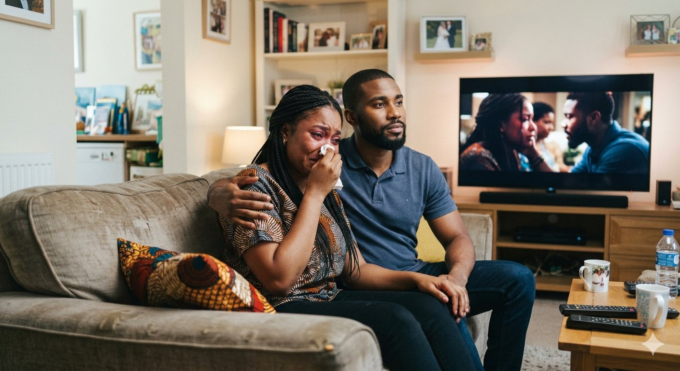
By the fifth attempt, she was no longer watching the television in front of her. She was only listening for a ring that did not return. The next morning, the silence had a name.
News travelled faster than understanding. Students gathered in clusters around hostels and lecture halls, speaking in low voices, avoiding what they were afraid to say out loud.
Amanda, her classmate, broke down and said,
“Chi had complained repeatedly about her landlord’s unwanted advances… must he stab her for saying no?”
Another classmate sat on a low concrete ledge outside a lecture hall, staring at the ground.
“We were together two days ago,” she said quietly.
Nobody replied. There was nothing anyone could say that would fit what had happened.

As details emerged, the conversation kept returning to the same place, the warnings women give, the refusals people refuse to accept, and the way boundaries are treated as negotiations instead of limits.
People began saying it again in fragments:
“Some people hear no and think it’s still a conversation…”
No one disagreed.
Only two months earlier, another nursing student in Imo State had reportedly lost her life after rejecting unwanted advances.
Different families. Different communities. The same unfinished tomorrow.
Far beyond Nigeria, the pattern felt familiar.
In London, a father sent his daughter a message before she returned to her university hostel.
“Text me when you get back.”
In Johannesburg, a Nigerian nurse finishing a night shift read the story and immediately called her younger sister.
In Toronto, a mother forwarded the report to her daughter with just three words:
“Please be careful.”
Different countries. Different time zones. The same conversation women have been having for generations.
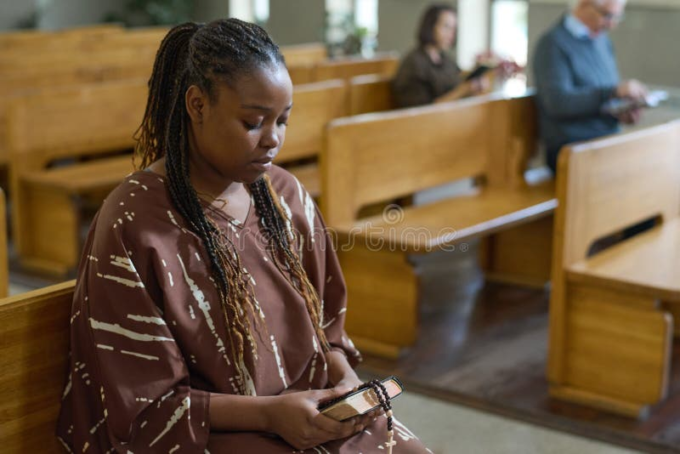
A few days later, students gathered for a memorial. Some cried openly. Others sat quietly holding candles.
One lecturer stood before them and quoted Maya Angelou:
“Each time a woman stands up for herself, she stands up for all women.”
The words hung in the air, not as inspiration, but as remembrance.
Later, another speaker shared the words of Malala Yousafzai:
“We cannot all succeed when half of us are held back.”
The applause was soft.
Because everyone understood that education, ambition, and hard work mean very little when safety itself is uncertain.
Weeks passed, classes resumed, lectures returned and assignments continued.
The campus slowly recovered its rhythm, because life always moves forward after tragedy. But some people do not move forward with it.
Mrs. Vivian still reached for her phone at seven o’clock sometimes. She didn’t call anymore, she just held it, sitting in silence that no longer needed a ring to feel heavy.
Some habits survive long after the person attached to them is gone. And somewhere between memory and routine, a mother continued living with the cruelest part of loss:
Not the call that went unanswered, but the thousands of conversations that would never happen again.
Moral: The true measure of respect is not how we respond to a woman’s “yes,” but whether we accept her “no” without punishment.
Engagement Hook: Every ignored boundary leaves a mark long before it becomes a headline.























https://shorturl.fm/DLGad