

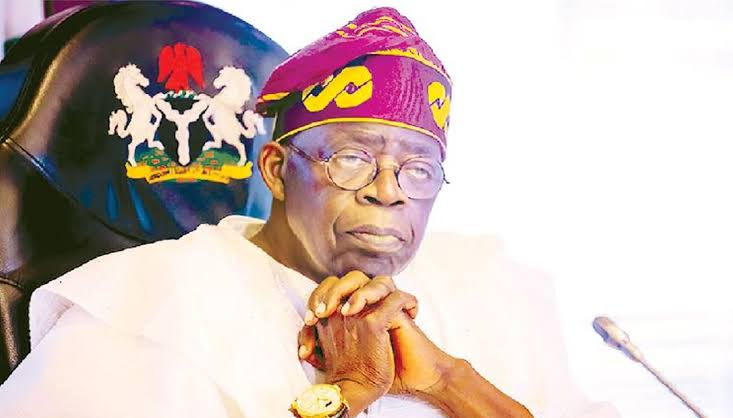
Fix lnsecurity Or Step Aside – Nigeria ls Bleeding Beyond Politics, Reps To Tinubu
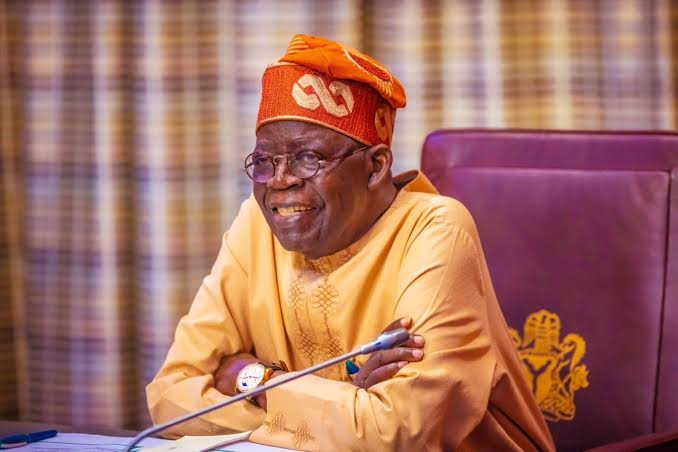
The Minority Caucus of the House of Representatives has issued a strong warning to President Bola Ahmed Tinubu, urging him to either refocus his administration on Nigeria’s worsening insecurity and economic hardship or step aside.
The lawmakers said growing national challenges must take priority over political activities ahead of the 2027 elections, as concerns mount over governance direction.
They made the call during a press briefing in Abuja, where Minority Leader Fred Agbedi said the country is sliding deeper into crisis, arguing that political calculations are overshadowing urgent national responsibilities.
The lawmakers said Nigeria is facing a dangerous mix of insecurity, economic distress, and weakening public confidence in state institutions, warning that recent mass kidnappings and killings reflect a system under severe strain.
They referenced the continued captivity of schoolchildren abducted in parts of Oyo, Kogi, and Borno States, alongside repeated bandit attacks across Plateau, Benue, Niger, Zamfara, Sokoto and Kwara, describing the situation as a “collapse of basic protection of citizens.”
Agbedi said it was alarming that even senior military figures were no longer safe, pointing to the reported death of a retired general who was abducted alongside his wife, calling it a symbol of how far insecurity has deteriorated.
“If a General of the Nigerian Army is not safe, then no citizen is safe,” he said, adding that the government appears distracted by political positioning rather than governance.
The caucus also accused the administration of lacking a clear and coordinated counter-terrorism strategy, arguing that armed groups now operate with increasing confidence across several regions.
They further criticised ongoing political and legal disputes involving party registrations and court rulings, claiming such developments could weaken opposition participation ahead of the 2027 general elections.
According to the lawmakers, worsening inflation, rising poverty, and widespread insecurity are converging into what they described as a national emergency that requires immediate executive focus rather than political campaigning.
They called for a six-month national security and economic recovery plan, urging the President to suspend political engagements and prioritise governance.
Beyond the National Assembly, other voices also weighed in on the crisis. Former military governor of Kaduna State, Col. Abubakar Dangiwa Umar (rtd), said Nigeria’s founding democratic ideals are being undermined by rising insecurity and weak institutions.
He urged the President to return focus to the core responsibilities of government, stressing that security is the foundation upon which all other national progress depends.
Meanwhile, the National Human Rights Commission (NHRC) reported that 390 people were killed and over 200 kidnapped in May 2026 alone, describing the period as one of the most troubling in recent years for human rights in the country.
The commission also raised alarm over repeated attacks on schools, worship centres, and rural communities, warning that civilian protection mechanisms remain insufficient.
Despite the rising concerns, the federal government maintains it is intensifying counter-terrorism operations, with increased recruitment into security agencies and expanded defence spending.
President Tinubu has previously stated that thousands of fighters have been neutralised and others have surrendered under ongoing military operations, insisting that the government remains committed to restoring stability.
Still, opposition lawmakers insist that the situation requires urgent leadership recalibration, warning that Nigeria cannot continue on its current path without deeper consequences for democracy and national cohesion.