

Why Are Ships Paying Millions to Pass Through Hormuz? The Strait at the Centre of a Global Controversy (VIDEO)
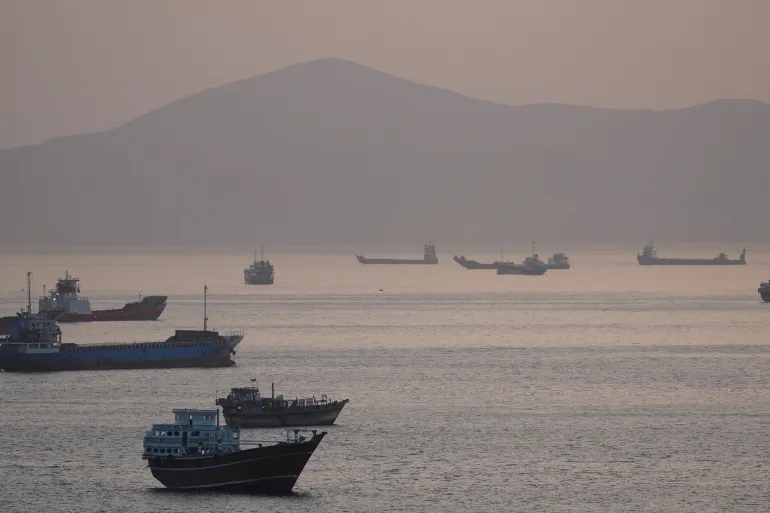
For decades, the Strait of Hormuz has been one of the world’s busiest maritime routes. Every day, giant oil tankers and cargo vessels squeeze through the narrow waterway linking the Persian Gulf to the open sea.
Unlike the Panama Canal or the Suez Canal, ships traditionally passed through Hormuz without paying a transit toll. That is what makes the latest developments so controversial.
In recent months, reports have emerged that some vessels are paying huge sums of money, in some cases close to $2 million per voyage, to secure passage through the strait.
The payments have sparked debate across the shipping industry and raised questions about who truly controls one of the world’s most important trade routes.
Iran says the charges are not transit tolls but fees for navigation, security and other services provided to ships moving through the area.
Many maritime experts argue that the Strait of Hormuz is an international waterway where vessels have a recognised right to transit passage under international law.
In their view, no single country should be able to charge ships simply for crossing the strait.
The disagreement has created a legal and diplomatic grey area. Yet for many shipping companies, the argument over legality is less important than the reality on the water.
A modern oil tanker can carry cargo worth hundreds of millions of dollars. Delays, diversions or disruptions can cost companies even more.
Faced with rising tensions, security concerns and soaring insurance costs, some operators have concluded that paying the fee is the safest and cheapest option.
The situation differs sharply from the Panama and Suez canals. Those waterways are man-made engineering projects built and maintained by governments.
Ships pay official tolls because they are using infrastructure that saves them thousands of kilometres of travel.
Hormuz is different. It is a natural strait, not a carnal. That distinction lies at the heart of the controversy.
Supporters of the payments argue that countries bordering strategic waterways bear security responsibilities and should be compensated for services they provide.
Opponents warn that allowing nations to impose charges on international straits could set a precedent that reshapes global trade and threatens the principle of free navigation.
With around a fifth of the world’s oil passing through the Strait of Hormuz, the stakes extend far beyond the Gulf.
The debate is no longer just about shipping fees. It has become a test of international law, maritime power and who gets to control the world’s most important trade corridors.