

By: Chioma Madonna Ndukwu
AUTOPSY: Before We Blame, Let Science Speak
“They poisoned him.”
The words had barely left the lips of grieving relatives before neighbours began to whisper. Some blamed jealous family members. Others spoke of witchcraft. A few insisted it was the work of enemies. Yet no one had asked the most important question: What really caused the man’s death?
In many Nigerian homes, this scene is all too familiar. When a seemingly healthy person dies suddenly, suspicion often arrives before science. For many people, an autopsy is only necessary when there is a belief that someone was murdered or poisoned.
But what if the real cause of death was a massive heart attack, an undiagnosed stroke, sickle cell complications or another silent illness? What if the truth was never given the chance to speak?
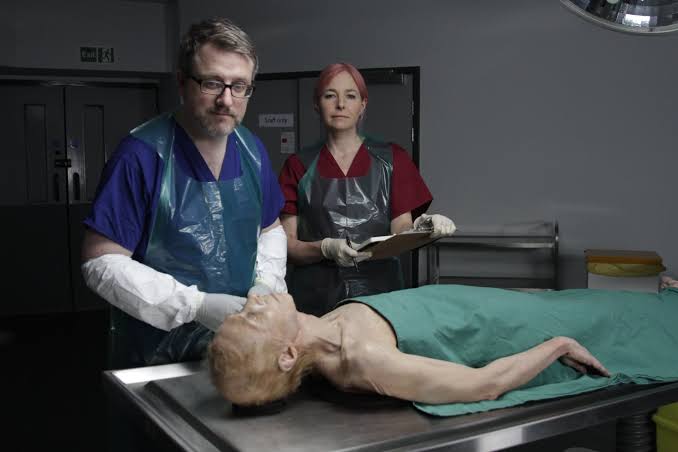
An autopsy, also known as a post-mortem examination, is a detailed medical examination carried out after death to determine the exact cause of death and identify diseases or injuries that may have contributed to it.
While a forensic autopsy is performed in cases involving suspicious, violent or unexplained deaths, a clinical autopsy is usually done, with the family’s consent, to help doctors understand why a patient died and improve future medical care. In other words, an autopsy is not simply about investigating crime. It is about uncovering truth.
More than a century ago, renowned Canadian physician William Osler captured the value of autopsies in a timeless statement: “The dead teach the living.” Those five words remain as relevant today as they were then. Every autopsy has the potential to reveal lessons that may save another life.
Yet, many Nigerians still see it differently. In a recent street interview conducted by Orbits News, Ahmed Adamu, a farmer, said there was no need for an autopsy because, in his community, people are buried on the same day they die and there is no reason to delay burial.
His opinion mirrors what many people genuinely believe, that once a loved one has died, examining the body serves little purpose.
Such views are understandable. They are shaped by culture, tradition, religion and generations of practice. However, medicine paints a different picture.
The World Health Organization (WHO) has consistently stressed that accurate information on why people die is essential for improving healthcare, preventing diseases and guiding public health policies. Simply put, when the true causes of death remain unknown, opportunities to protect the living are also lost.
Medical experts continue to regard an autopsy as the gold standard for determining the exact cause of death. Despite remarkable advances in scans, laboratory tests and medical technology, post-mortem examinations still uncover illnesses that were missed while a patient was alive.
The College of American Pathologists also describes autopsies as one of medicine’s most valuable quality assurance tools because they help doctors compare their clinical diagnosis with what actually caused death.
Think of it as medicine’s final report card. Beyond medicine, an autopsy can also prevent painful misunderstandings.
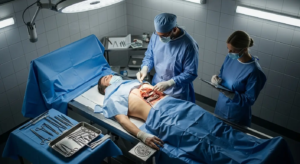
How many families have been torn apart because someone was wrongly accused of poisoning a relative? How many lifelong friendships have ended because grief searched for someone to blame?
Sometimes, what people call poison is an undetected heart attack. Sometimes, it is a ruptured blood vessel in the brain. At other times, it is uncontrolled hypertension, diabetes, sickle cell disease or another silent condition that escaped diagnosis.
Rumour performs the burial long before truth arrives at the graveside. An autopsy allows science to speak where speculation has become loud.
There is an African proverb that says, “He who does not know where a corpse is buried keeps digging in the wrong place.” It is a reminder that when truth is hidden, people often search for answers in the wrong places. An autopsy helps to end that search by replacing suspicion with evidence.
Its benefits extend far beyond explaining one person’s death. Some diseases are hereditary. Certain heart conditions, inherited cancers and genetic disorders can affect several members of the same family.
An autopsy may uncover these conditions, giving surviving relatives the opportunity to seek medical screening, begin treatment early and possibly avoid a similar fate. In this way, one life lost may quietly help save another.
Autopsies also make doctors better doctors. By comparing what physicians believed caused death with what actually happened, they improve medical knowledge, sharpen clinical judgment and enhance patient care. Many of today’s advances in medicine have been built on lessons learned from post-mortem examinations.
History offers remarkable examples of the value of autopsies. One of the world’s best-known brain disorders, Alzheimer’s disease, was first recognized after German physician Alois Alzheimer examined the brain of a deceased patient in 1906.
Years later, autopsies helped scientists define chronic traumatic encephalopathy (CTE), the brain disease linked to repeated head injuries in athletes and military personnel.
They also deepened medical understanding of HIV/AIDS by revealing how the virus damaged multiple organs and caused life-threatening infections.
During the COVID-19 pandemic, post-mortem examinations showed that the disease affected not only the lungs but also the heart, kidneys, brain and blood vessels, changing the way doctors treated patients.
Autopsies have also uncovered countless hidden cases of pulmonary embolism, a potentially fatal blood clot in the lungs, that went undiagnosed during life, helping physicians improve diagnosis and emergency care.
These milestones remind us that even in death, the human body can continue to teach lessons that advance medical science and save lives.
The nation benefits too. Nigeria, like many developing countries, still faces challenges in accurately documenting the causes of death. Too often, people are simply said to have “slumped and died” or “died after a brief illness” without knowing the exact medical reason.
Every unanswered cause of death is a missing piece of the country’s health puzzle. Reliable information helps authorities understand whether illnesses such as hypertension, stroke, cancer or infectious diseases are increasing and where healthcare resources should be directed.
Unfortunately, autopsy rates continue to decline around the world. Fear that the body will be mutilated, concerns about delaying burial, cultural practices and poor public awareness discourage many families from consenting to the procedure.
In reality, autopsies are carried out by trained specialists who handle the deceased with dignity and professional respect before the body is prepared for burial.
Death may silence a voice, but it does not always silence the truth. An autopsy is not about disturbing the dead. It is about serving the living. It clears the innocent, comforts grieving families, improves medical knowledge, strengthens the healthcare system and, sometimes, prevents another family from experiencing the same tragedy.
Before we conclude that someone was poisoned, before we accuse a neighbour, a relative or an old family rival, we should allow evidence to lead the conversation. After all, science does not erase grief, but it can silence doubt.
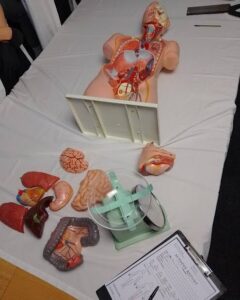
The home truth remains that an autopsy is not only for suspected murder or poisoning, it reminds us that before we blame, science deserves to speak.