

US Airstrikes Hit Iran as Tehran Retaliates; Trump Warns of Severe Consequences Amid Collapsing Peace Efforts
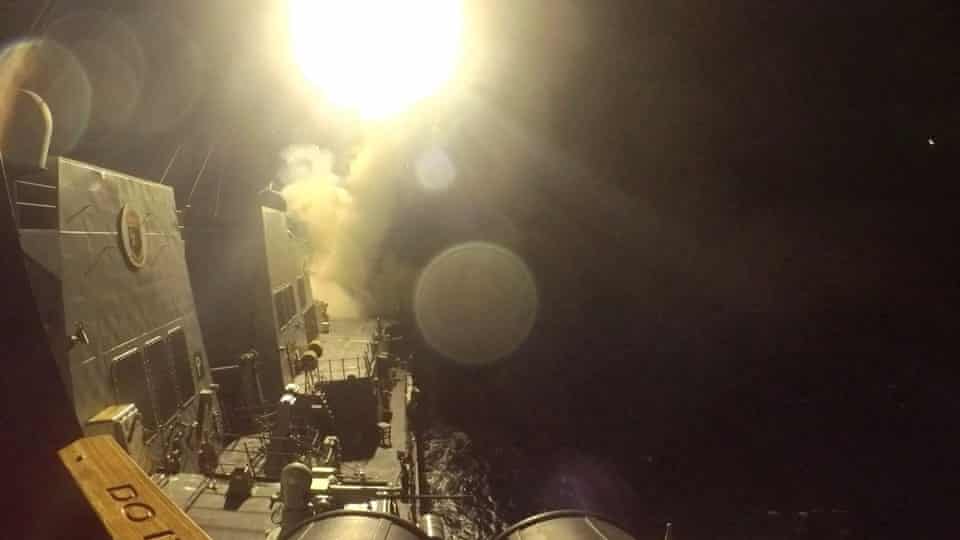
Tensions between the United States and Iran escalated sharply on Wednesday after American forces launched airstrikes on Iranian targets, triggering immediate retaliation from Tehran and raising fresh fears that fragile diplomatic efforts to end the conflict could collapse.
The strikes, confirmed by U.S. Central Command, reportedly targeted air defense systems, radar installations and command-and-control facilities.
Iran acknowledged that attacks hit areas near Bandar Abbas and Qeshm Island but did not disclose the full extent of the damage.
In response, Iranian forces launched missiles toward several countries in the region, including Bahrain, Kuwait and Jordan, all of which host U.S. military personnel.
Jordan said it intercepted multiple incoming missiles, while Bahrain and Kuwait also reported successful interceptions with no confirmed casualties.
The latest exchange marks another dangerous escalation in a conflict that has already seen repeated back-and-forth strikes involving Iran, Israel, and U.S. forces over recent weeks, despite ongoing attempts to broker a ceasefire.
U.S. President Donald Trump reacted strongly, warning that Iran would “pay the price” for stalled negotiations and signaling a harder stance as diplomatic talks appear to be faltering.
His comments came shortly after renewed optimism from Washington that a possible deal could still be reached in the coming days.
Iranian officials, however, have vowed to respond to what they described as violations of their sovereignty, with Foreign Minister Abbas Araghchi stressing Tehran’s right to self-defense.
Iranian authorities also indicated they may reassess their participation in ongoing negotiations.
The conflict has widened across the region, affecting key maritime routes and raising global economic concerns.
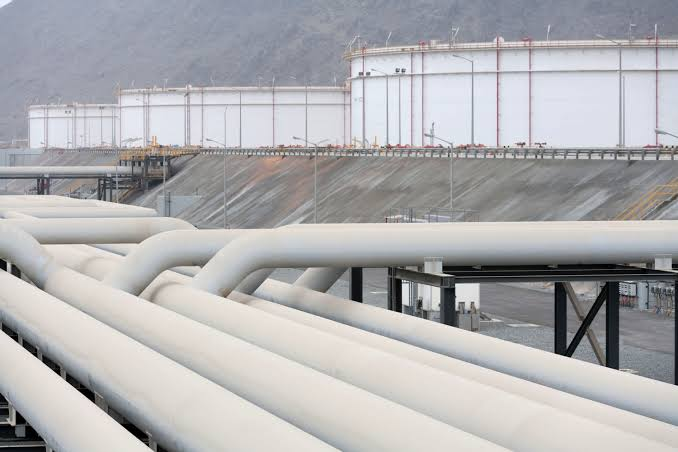
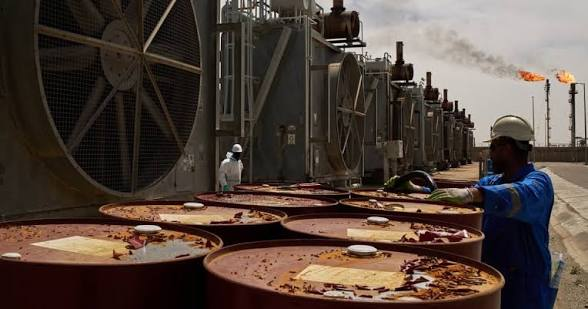
Oil prices have surged significantly since the beginning of hostilities, with Brent crude climbing above $90 per barrel amid fears of disruptions in the Strait of Hormuz, a critical global energy corridor.
Military exchanges have also intensified elsewhere, including reported clashes involving Iran-backed groups and Israeli forces in Lebanon, further complicating efforts to contain the crisis.
While both Washington and Tehran continue to signal openness to negotiations, deep disagreements remain over Iran’s nuclear program, sanctions relief, and frozen assets, issues that have repeatedly stalled progress.
With military strikes escalating and diplomacy under strain, fears are growing that the conflict could spiral further out of control if no breakthrough is reached soon.