

Wildfires Force Mass Evacuations, Disrupt Travel Across France and Spain
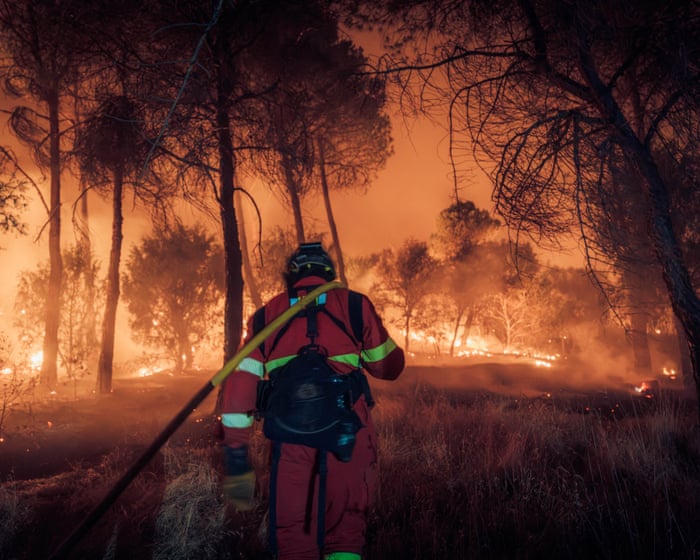
Travellers heading to France and Spain are being advised to stay alert as raging wildfires continue to sweep through parts of both countries, triggering large-scale evacuations and disrupting transportation.
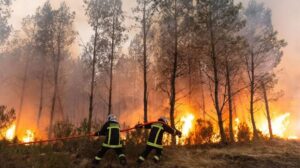
More than 300,000 people have been forced to leave their homes as emergency crews battle multiple fires across affected regions.
Many evacuees are being housed in temporary shelters, including sports centres and public facilities, while firefighters work to contain the blazes.
In southwestern France, authorities have appealed to tourists to postpone visits to some of the hardest-hit areas.
Sophie Brocas, prefect of the Gironde department, urged visitors to stay away until the situation improves, advising those already in the region to consider relocating to safer destinations.
Although no formal travel ban has been issued for either France or Spain, officials have warned that conditions remain unpredictable.
Travellers have been told to expect possible road closures, restricted access to some locations and additional evacuation orders where necessary.
Emergency authorities have reminded residents and visitors in both countries to follow official safety instructions. Anyone requiring urgent assistance can contact emergency services by dialling 112.
France has placed the Gironde and Pyrénées-Orientales departments under its highest wildfire alert, while Aude and Var remain on the second-highest warning level.
More than 20 active wildfires were reported across the country earlier this week, including on the Mediterranean island of Corsica.
Spain has also declared a national emergency following severe fires affecting areas around Madrid and Ávila, with additional outbreaks reported in other inland regions.
The worsening wildfire situation has also created uncertainty for thousands of holidaymakers, many of whom are seeking clarification on cancellations and travel insurance.
Insurance specialists say compensation will depend on the terms of individual policies. While some plans provide protection against disruptions caused by natural disasters such as wildfires, others offer little or no coverage.
Experts advise affected travellers to first contact their airlines, tour operators or accommodation providers to explore refund or rebooking options before filing insurance claims.
Passengers whose flights are cancelled are generally entitled to either a refund or an alternative flight.
Those who booked package holidays may also qualify for reimbursement covering flights, accommodation and transfers.
However, travellers who made separate bookings may have to negotiate individually with each service provider, especially if hotels remain open and operational.
Consumer advocates have also warned against cancelling trips prematurely.
Since there is currently no official advice discouraging travel to France or Spain, travellers who cancel voluntarily could lose eligibility for refunds or insurance payouts.
Instead, holidaymakers are encouraged to monitor updates from airlines, travel providers and government advisories before making any decisions.
The latest wildfires have renewed concerns about the growing impact of climate change on global travel.
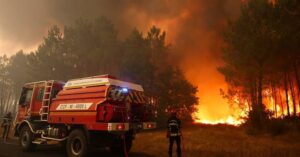
Health and environmental experts say rising temperatures are contributing to longer and more destructive wildfire seasons across Europe, a trend that could increase travel costs and make insurance coverage more expensive in the years ahead.