


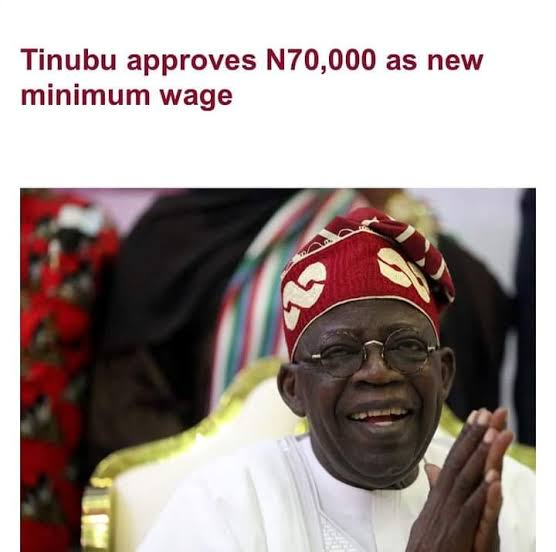
Tinubu Approves ₦70,000 Monthly Transport Allowance for Public Workers for Six Months
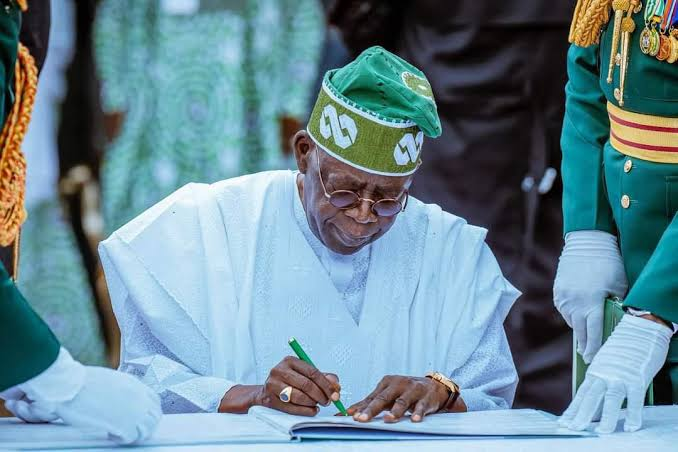
President Bola Tinubu has approved a ₦70,000 monthly transport allowance for Nigerian public service workers, following talks with labour leaders amid rising fuel prices and wage disputes.
The Federal Government announced the decision after a meeting between Labour and Employment Minister Muhammad Maigari Dingyadi and Nigeria Labour Congress (NLC) representatives led by Joe Ajaero on Tuesday.
The transport support is scheduled to begin in November 2026 and will continue for six months, providing temporary financial relief to workers struggling with rising transportation and living costs.
According to the government, the ₦70,000 intervention will cover public service workers across all levels, with payments expected to commence on November 5, 2026.
The announcement came as the four-day ultimatum issued by the NLC to the Federal Government expired on Tuesday, October 27, amid demands for fuel price reductions and improved wages.
The labour union had threatened to shut down economic activities if the government failed to address its concerns over rising petrol prices and the existing ₦70,000 national minimum wage.
Beyond the transport allowance, the Federal Government also approved the payment of outstanding peculiar allowance arrears owed to eligible public service workers, with payments scheduled to begin in November.
The government stated that the arrears would be calculated from May 1, 2026, and settled in three equal monthly instalments to spread payments over the agreed period.
Both parties also agreed to establish a negotiation committee that would begin meetings immediately to determine an effective date for implementing a new national minimum wage.
The proposed negotiations are expected to address labour’s demands for improved wages as workers continue to face higher transportation expenses, rising commodity prices and broader cost-of-living pressures.
The latest agreement represents an effort by the Federal Government and organised labour to address workers’ financial concerns while negotiations over fuel prices and minimum wage implementation continue.





















Leave a comment