



Oil Market Takes Sharp Turn as US, Iran Halt Attacks
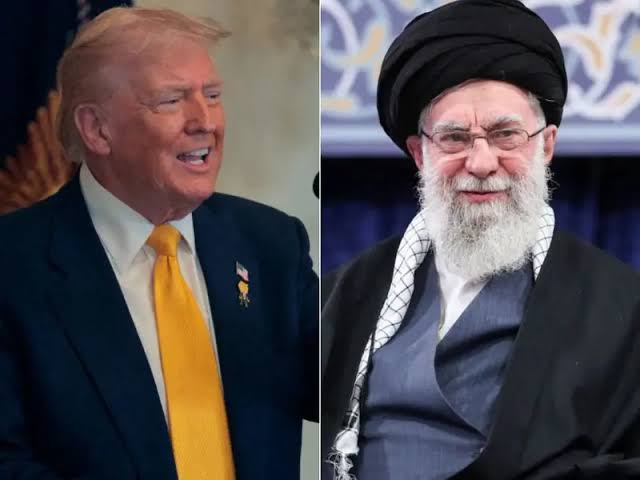
Global oil prices fell sharply on Monday after the United States and Iran refrained from launching military attacks for a second consecutive night, raising hopes that diplomatic efforts could ease tensions and reduce fears of further disruptions to energy supplies.

Brent crude, the international benchmark, dropped by more than nine per cent to below $88 per barrel after rising above $100 last week as the conflict between the two countries intensified.
The decline followed comments by the United States ambassador to the United Nations that military operations against Iran had been paused to allow diplomatic talks to continue.
Iranian officials also confirmed that Tehran had halted retaliatory attacks in the region, fuelling expectations that the crisis could be moving towards de-escalation.
Oil prices had surged during the conflict after fighting effectively disrupted traffic through the Strait of Hormuz, one of the world’s most important energy routes.
Nearly one-fifth of global oil and liquefied natural gas supplies normally pass through the strategic waterway.
A memorandum of understanding reached between Washington and Tehran in June had briefly reopened the route and helped bring oil prices down to around $70 per barrel.
However, the collapse of the agreement earlier this month revived fears of supply disruptions.
Those concerns were further heightened after Yemen’s Houthi rebels launched attacks on oil tankers in the Red Sea, threatening another major route used by Gulf oil producers.
Despite Monday’s sharp decline, market analysts warned that uncertainty surrounding the conflict remained high.
Susannah Streeter, Chief Investment Strategist at Wealth Club, said investors were still cautious because the situation remained unpredictable.

“Although crude prices have fallen sharply, there is still significant uncertainty built into the market, and doubts remain over whether negotiations will deliver a lasting breakthrough,” she said.
The recent volatility in the oil market has already contributed to higher petrol and diesel prices in several countries, increasing transportation and production costs for businesses.
Those higher costs have also contributed to rising food prices and wider inflation, placing additional pressure on households and economies around the world.
Inflationary pressures have influenced monetary policy decisions in several countries. In June, the European Central Bank raised interest rates for the first time in almost three years, citing inflationary pressures linked to the conflict.
In the United Kingdom, expectations of an interest-rate cut this year have also weakened.
Financial markets expect the Bank of England to keep its benchmark rate at 3.75 per cent during its meeting this week, although a rate increase later in the year remains possible if inflationary pressures persist.
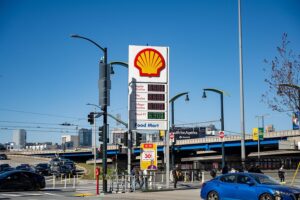
While the pause in hostilities has offered some relief to global markets, investors and policymakers remain focused on the diplomatic talks, which could determine whether the recent fall in oil prices can be sustained.




















Leave a comment