

Military Rule Better Than Democracy for Nigerians – Donald Duke
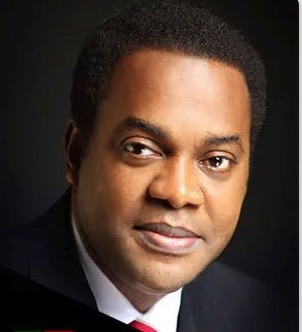
Former Cross River State Governor and Peoples Redemption Party, PRP, presidential candidate, Donald Duke, has said Nigerians were better off under military rule than under the country’s current democratic system.
Duke made the remark during an interview in which he questioned the dividends of democracy after 27 years of civilian rule.
“The people today, I would tell you, were better off under the military. At least governance was not that expensive,” he said.
The former governor said Nigeria’s democracy should be judged by its impact on the welfare of citizens rather than merely by the existence of democratic institutions.
According to him, many of the problems confronting Nigerians before the return to civilian rule in 1999 remain unresolved, while some have worsened.
“We’re still having the same problems we had 27 years ago. It’s getting worse,” Duke said, citing the rising number of out-of-school children, declining healthcare and inadequate infrastructure.
He also identified electricity and unemployment as longstanding challenges that successive civilian administrations had failed to adequately address.
Duke questioned whether Nigerians were better off today than they were in 1999, saying, “Hardly so. Hardly so.”
The PRP presidential candidate also criticised Nigeria’s political system, arguing that a weakened opposition and disputed electoral processes had contributed to growing public disenchantment.
He said many Nigerians no longer believe their votes count, creating a situation where elected officials feel less accountable to the electorate.
Duke further described Nigeria’s democracy as a pretence, alleging that the legislature and judiciary had failed to provide effective checks and balances on executive power.
He expressed frustration that Nigeria, despite its vast human and material resources, had failed to make sufficient progress in addressing problems that other countries had successfully tackled.
Duke served as governor of Cross River State from 1999 to 2007 and has remained active in national political discussions.