


Burkina Faso Restores Death Penalty for Terrorism, Espionage, Treason
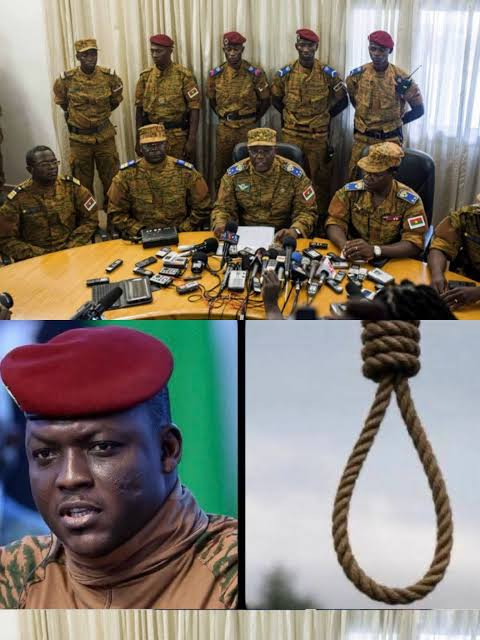
Burkina Faso has reinstated the death penalty for terrorism, espionage and treason after lawmakers unanimously approved a revised penal code, reversing the country’s previous policy on capital punishment.
The country’s transitional parliament approved the legislation on Tuesday, October 20, with all 71 members voting in favour. Justice Minister Edasso Rodrigue Bayala presented the revised code, according to the Associated Press.
The move marks a major change in Burkina Faso’s criminal justice system, nearly eight years after the country abolished the death penalty for ordinary crimes in 2018.
Human Rights Watch reported that the country’s last known execution occurred in 1988, meaning the latest decision reopens the possibility of capital punishment after decades without a recorded execution.
The military government had approved a proposal to restore the death penalty in December 2025. The plan attracted opposition from international human rights groups, which raised concerns about its potential consequences.
Amnesty International and Human Rights Watch warned that reinstating capital punishment could undermine fundamental rights, particularly amid allegations of government crackdowns on journalists, activists and other perceived critics.
The decision comes as Burkina Faso struggles to contain an insurgency involving armed groups linked to al-Qaida and the Islamic State. Years of violence have killed thousands and displaced millions across the Sahel region.
Authorities have defended tougher criminal laws as part of their response to the country’s security challenges. Bayala had previously indicated in 2024 that the revised criminal code would include provisions for capital punishment.
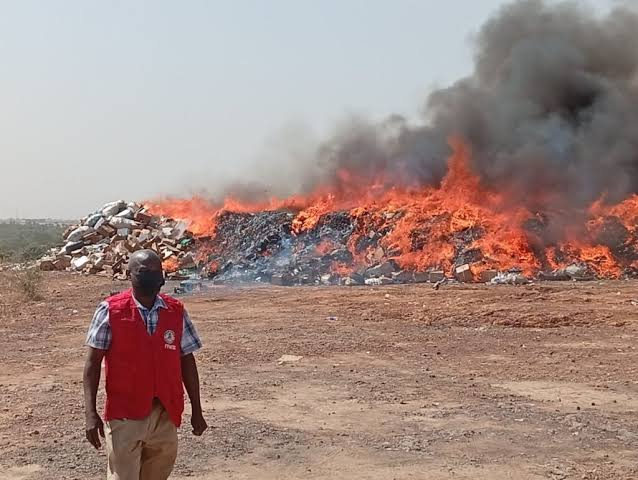
The new legislation also reportedly prescribes the death penalty in certain cases involving the importation of expired or prohibited products that cause death, according to Reuters.
However, the exact circumstances under which the provisions will apply will depend on the final legal framework and its implementation by the relevant authorities.
Rights organisations have questioned whether the return of capital punishment will help curb insecurity, warning that the measure could increase pressure on people accused of crimes and deepen concerns about government repression.
Human Rights Watch has also expressed concern that the policy could create a climate of fear and discourage people from speaking out against the military authorities.
Burkina Faso’s security forces have faced allegations of serious human rights violations during operations against armed groups. Human Rights Watch reported that government forces killed more than twice as many civilians as jihadist fighters between 2023 and 2025.
Armed organisations, including Jama’at Nusrat al-Islam wal-Muslimin, which is affiliated with al-Qaida, have also been accused of war crimes and crimes against humanity.
Burkina Faso, a landlocked country with approximately 23 million inhabitants, has been governed by military authorities since a coup in 2022. The junta has repeatedly delayed the restoration of civilian rule while pursuing its campaign against insurgents.
The latest parliamentary decision reverses a key policy introduced under former President Roch Marc Christian Kaboré, whose administration abolished capital punishment for ordinary crimes in 2018.
The reinstatement is likely to draw further international attention to Burkina Faso’s human rights situation as the military government intensifies efforts to defeat armed groups operating within its borders.
















Leave a comment