

Burkina Faso President Unveils Firm Position on Sharia Law
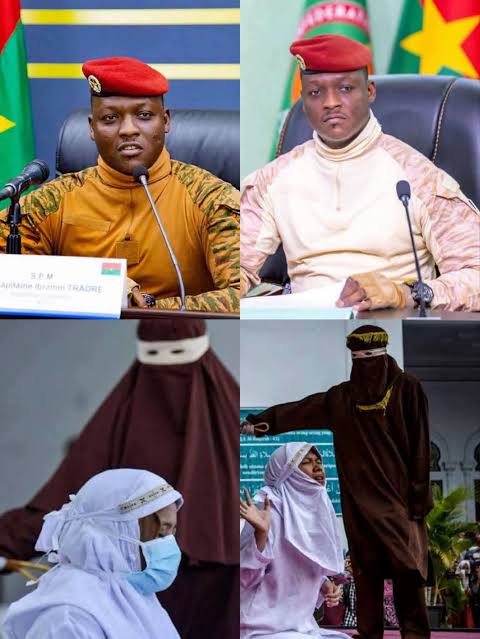
Burkina Faso’s transitional President, Ibrahim Traoré, has ruled out the introduction of Sharia law in the country, saying his administration remains committed to protecting the nation’s secular system of governance.
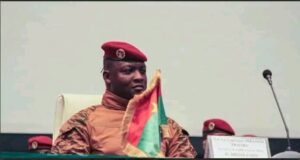
Speaking during a nationwide broadcast, Traoré said every citizen is free to practise his or her religion, but insisted that no religious legal code would replace the country’s constitutional order.
The President also criticised Burkinabè students studying Sharia law abroad, particularly in Saudi Arabia, arguing that the country urgently needs professionals with technical and scientific skills to support national development.
According to him, students should focus on acquiring knowledge in areas such as technology, engineering and innovation rather than religious jurisprudence, which he believes does little to address the country’s development challenges.
Traoré warned that those who chose to study Sharia law instead of disciplines capable of advancing the country’s economy should not expect a place in his administration.
“I am a Muslim, but every person in Burkina Faso has the right to practise his or her religion. There will never be Sharia law in this country,” he said.
Addressing Burkinabè students in Saudi Arabia, he added: “Instead of gaining technological knowledge and skills that can help develop our country, you chose to study Sharia law. Stay where you are; you will not be allowed back here.”
Burkina Faso is a constitutionally secular state with a religiously diverse population that includes Muslims, Christians and followers of traditional African beliefs.
While Islam is the faith of the majority, the country’s legal system is founded on civil law rather than religious law.
Traoré, who assumed power following a military coup in 2022, has consistently promoted national sovereignty, institutional reform and economic self-reliance while leading efforts to tackle the country’s prolonged security crisis.
His latest remarks are expected to generate debate within Burkina Faso and across the West African region, where questions surrounding religion and governance continue to attract significant public attention.