

By: Chioma Madonna Ndukwu
The Way We Live: The Night He Said Yes
On the morning Ethan graduated from university, his mother called before the ceremony had even begun.
“Have you ironed your gown properly?” she asked.
Ethan laughed. “Mum, I’ve checked it three times.”
“I know you,” she replied. “You’d attend your own graduation with one sleeve folded if nobody reminded you.”
He laughed again, the way he always did when she worried over little things.
“And don’t forget,” she added, “one day you’re still building me that beautiful house you promised.”
“You’ll have the biggest kitchen in the whole neighbourhood,” Ethan said. “You’ll never complain about space again.”
“I’ll hold you to that.”
“You should.”
When the call ended, neither of them knew they had just shared one of the last conversations that still sounded like the old Ethan.
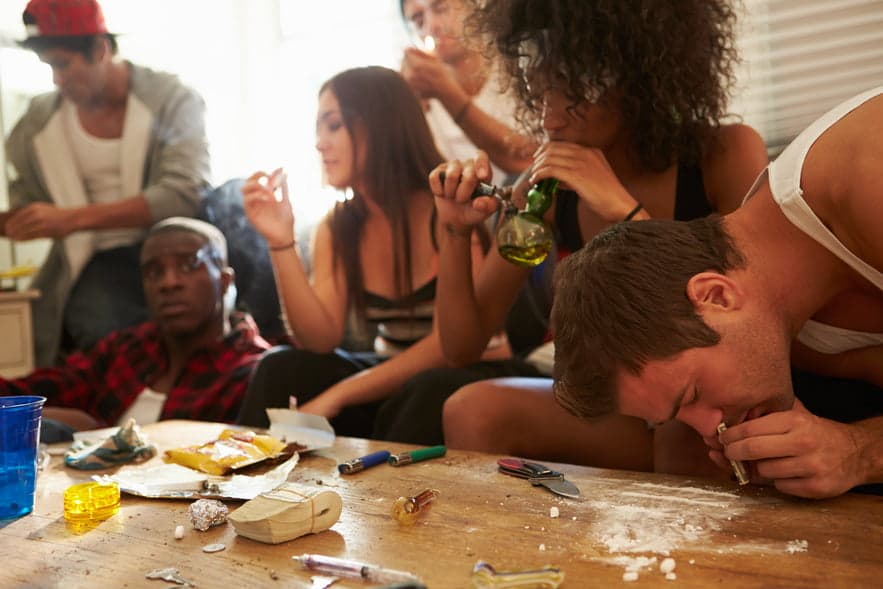
That evening, a few friends gathered to celebrate the end of university life. They talked about job applications, national service, travelling abroad and the dreams that suddenly felt within reach.
Someone brought out drinks. Someone turned the music louder. As midnight drew closer, one of the young men reached into his pocket and placed a small tablet on the table.
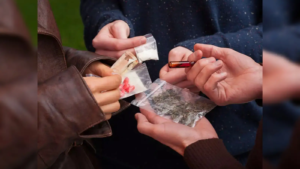
Ethan frowned.
“What is that?”
“Relax,” his friend said with a smile. “Just this once.”
“I’ve never tried anything like that.”
His friend laughed.
“Exactly. You’re acting like we’re asking you to do it every day.”
The others chuckled.
Ethan looked around the room. Nobody seemed afraid. Nobody looked like they were making a decision that could change a life.
He stretched out his hand. The next few weeks gave nobody a reason to worry.
Ethan still called home. He still met up with friends. He still smiled whenever people congratulated him on graduating. If anyone had asked how he was doing, his answer would have sounded convincing enough to end the conversation.
It was Noah who noticed first. One evening, he found their mother preparing dinner.
“Have you seen Ethan lately?” he asked.
She smiled without looking up.
“He was here this morning.”
Noah remained where he was.
“No,” he said quietly. “I mean… have you really seen him?”
She stopped slicing the vegetables.
“What do you mean?”
“He doesn’t stay in the sitting room anymore. He hardly finishes his meals. Yesterday I spoke to him and it felt like he was listening from somewhere else.”

Their mother wanted to disagree. Instead, she remembered the untouched plate she had quietly cleared away two nights earlier.
She remembered the excuses. She remembered how often Ethan had begun saying, “I’m tired.”
They didn’t speak again for a while. Some silences arrive carrying answers nobody wants. Months passed.
The young man who once filled notebooks with building designs stopped talking about architecture altogether.
Job interviews came and went. Friends stopped calling as often because Ethan had become an expert at saying, “Maybe another time.”
His mother blamed unemployment. Noah blamed stress, but Ethan blamed nobody. He simply kept telling himself he could stop whenever he wanted.
The turning point came on a rainy Tuesday morning. His mother knocked gently on his bedroom door.
“Ethan?”
There was no answer.
She knocked again.
When she finally walked in, she didn’t find the confident graduate who had promised to build her a house.
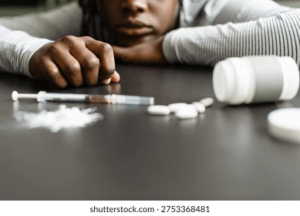
She found a frightened young man who could no longer pretend everything was alright. A few days later, Ethan agreed to meet a counsellor.
The office was quiet except for the sound of rain tapping softly against the windows. The counsellor listened without interrupting.
When Ethan finished speaking, the older man leaned back in his chair.
“Tell me something,” he said. “When do you think this began?”
Ethan shrugged.
“I honestly don’t know.”
The counsellor smiled gently.
“Close your eyes.”
Ethan did.
“Go back as far as you can.”
For a long moment, neither of them spoke.
Then Ethan opened his eyes.
“There was a party after graduation.”
“And?”
“A friend offered me something.”
“What did he say?”
Ethan looked down at his hands.
“He said… ‘Just this once.’”
The counsellor nodded.
“Most people think addiction begins with drugs,” he said softly. “In my experience, it usually begins when someone believes those three words.”
Ethan looked at him.
“‘Just this once’ has started more addictions than drugs ever have. Those words have persuaded people to take the first drink, the first pill, the first bribe, the first affair and the first dishonest shortcut. They make tomorrow look too far away to matter.”
For the first time in many months, Ethan cried. Not just because he had taken the tablet. But because he finally understood that the biggest decision of his life had never felt like a big decision at all.
Around the same time in Vancouver, a father sat outside a recovery centre waiting for his son to finish another counselling session. A volunteer came over and asked how he was holding up.
The older man smiled wearily.
“I keep wondering where I lost him.”
The volunteer shook his head.
“Maybe today isn’t the day to ask where you lost him,” she said. “Maybe it’s the day to be thankful he’s finding his way back.”
Thousands of kilometres away in Cape Town, a community hall filled slowly as parents, teachers and young people gathered for an evening conversation about substance abuse.
Nobody came because they thought addiction belonged to someone else’s family. They came because every home, every school and every neighbourhood is only one careless decision away from asking difficult questions.
Listening to those stories later, Ethan’s mother realised that pain speaks many languages, but hope does too.
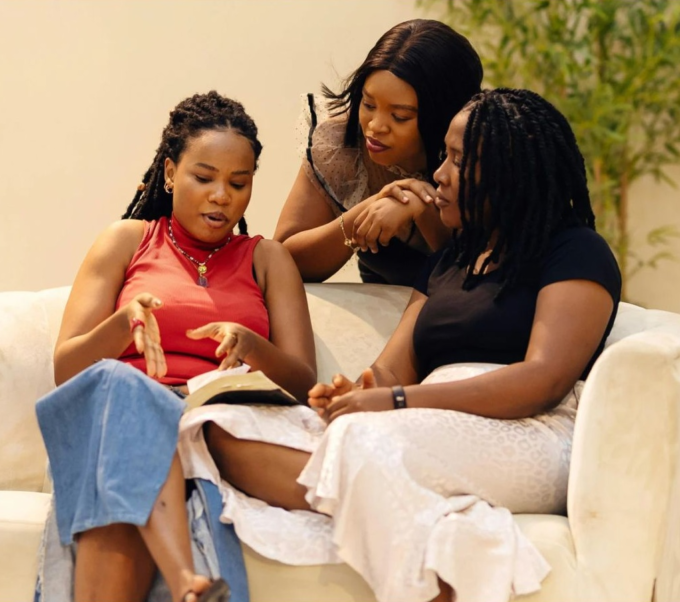
One evening, she opened her Bible and found herself reading words she had known for years.
“Do not be misled: ‘Bad company corrupts good character.’” (1 Corinthians 15:33).
She closed the Bible slowly. The verse was no longer just about choosing friends carefully. It was about understanding how quietly influence works.
Most times, influence doesn’t come wearing a warning sign. Sometimes, it comes smiling. Sometimes it sounds like laughter. Sometimes it begins with someone saying, “Trust me.”
Nelson Mandela once said, “There can be no keener revelation of a society’s soul than the way in which it treats its children.”
Looking at Ethan, she realised that protecting young people cannot begin only after addiction takes hold. It begins in our homes, our schools, our churches, our friendships and in the conversations we choose to have before anyone starts struggling.
She also remembered Carl Jung’s words: “The greatest and most important problems of life are fundamentally insoluble. They can only be outgrown.”
Ethan had not been looking for addiction that night after graduation. He had been looking for acceptance, curiosity and a moment that felt free of pressure. Like so many young people, he had mistaken escape for solution.
Recovery came quietly. There was no applause, no dramatic speeches. Only small victories that slowly became bigger ones.
He returned to drawing , and also started attending counselling faithfully. He apologised to people he had hurt. He started laughing again, and this time his laughter reached his eyes.
One Saturday afternoon, his mother found him sitting at the dining table with sheets of paper spread before him.
She picked one up.
It was the drawing of a house.
She smiled.
“So,” she asked, “is this my kitchen?”
Ethan grinned.
“No.”
She pretended to be offended.
“No?”
“This one,” he said, handing her another sketch, “is yours.”
She looked at the drawing for a long moment before wrapping her arms around him.
“I knew my son was still here.”
Ethan held her tightly.
“So did I,” he whispered.
Sometimes the greatest victory is not that we never fall. It is that we find the courage to stand, to rebuild and to become the person we almost lost.
One Thing Worth Remembering:
Every destructive habit begins with a decision that looks too small to matter. Be careful of the voices that make wrong choices sound harmless, because the easiest words to say can sometimes become the hardest to take back.
What about you?
Have you ever walked away from a decision because something inside you warned you not to take that first step? Or have you watched someone fight their way back from addiction? Share your story in the comments. Someone reading it today may discover that hope begins with one good decision, just as destruction often begins with one bad one.