

By: Chioma Madonna Ndukwu
The Way We live: When Bread Costs More Than Silence
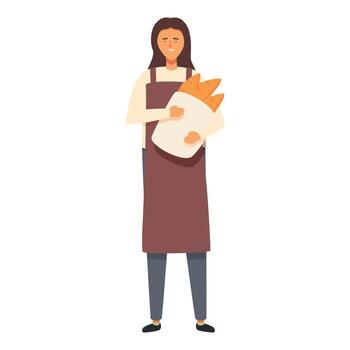
A woman stands in a Lagos market holding a loaf of bread like it is lighter than it should be. The price tag feels heavier than the morning heat pressing on her neck.
She asks again, not because she did not hear the first answer, but because disbelief sometimes needs repetition.
The seller does not argue. He only adjusts his face, like someone tired of explaining gravity.
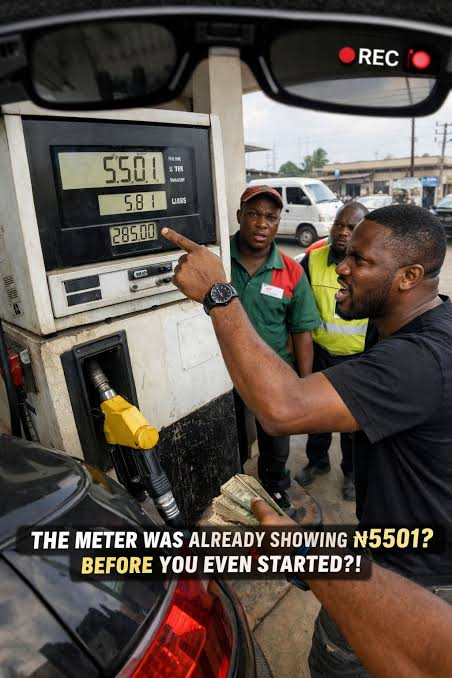
Food is no longer just food in many cities. It has become arithmetic. A daily calculation of what can be removed so something else can survive.
In Lagos, Nairobi, Cairo, and Johannesburg, the same conversation happens in different accents “How much is rice now?” “How far is it going again?”
Different streets. Same tightening knot in the stomach. As Barack Obama once reflected, “The cost of freedom is always high.”
But for many today, even living carries a cost that rises quietly, like water creeping up a wall no one is watching.
In Asia, households stretch meals the way fabric is stretched when there is no money for new cloth. In parts of Europe and America, working families count grocery aisles like steps on a narrow bridge.
In Africa, markets have become places where patience is tested more than wallets.
A line often attributed to Chinua Achebe reminds us, “When the house is on fire, you don’t ask which window to jump from.”
But here, the fire is not sudden. It is slow. It is daily. It is the kind that teaches people how to breathe differently inside smoke.
And still, life continues its quiet performance. People adjust. They substitute. They improvise dignity in small portions. Because survival, in this age, has learned to wear many disguises.
Maybe inflation is not only about numbers. Maybe it is about the slow reshaping of how people define enough.
COMMENT HOOK
If prices keep rising like this, what is the first thing people in your city will stop calling “normal”?