


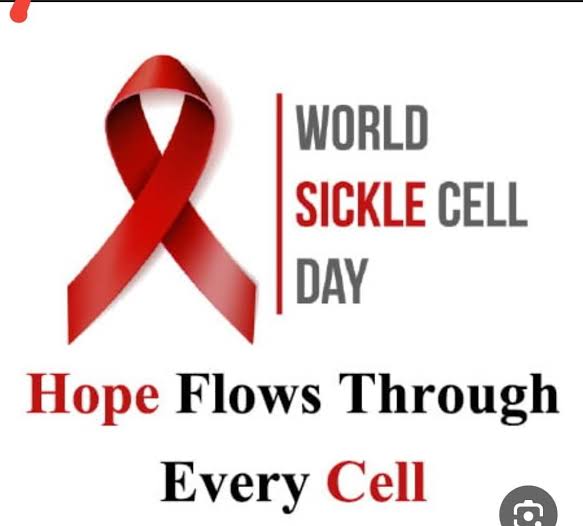
World Sickle Cell Day: Faulty Tests, Weak Labs Deepen Nigeria’s Sickle Cell Crisis
Nigeria’s sickle cell burden is being worsened by unreliable genotype testing and weak laboratory standards, health experts warn, as the world marks Sickle Cell Day.
They say inaccurate results, misdiagnosis, and in some cases alleged manipulation of laboratory reports are affecting marriage decisions and increasing the number of children born with the disease.
Nigeria remains the global epicentre of sickle cell disease, with about 150,000 babies born with the condition annually and an estimated 40 million people carrying the sickle cell trait. Despite decades of awareness campaigns, prevention remains low and cases continue to rise.
Experts now estimate that up to 40 per cent of genotype test results in the country may be unreliable, blaming poor regulation, outdated equipment, lack of quality control, and unethical practices in some diagnostic centres.
There are also concerns that some individuals deliberately influence results to obtain “AA” reports for marriage purposes.
Health professionals warn that these failures are not just medical errors but life-shaping mistakes that have led to broken marriages and children being born with sickle cell disease despite presumed safe genotype combinations.
One affected mother said she discovered years after marriage that her true genotype was SC, not AA as originally reported.
By then, she had already given birth to children living with sickle cell disease and now blames the laboratory for the wrong result.
Another respondent shared a different experience, saying a correct diagnosis later in life helped him make informed choices about marriage and family planning.
He urged Nigerians to seek confirmatory tests in accredited centres rather than rely on a single result.
Experts maintain that sickle cell disease is largely preventable if couples undergo accurate screening and proper genetic counselling before marriage.
However, they note that late testing, cultural pressures, and inconsistent lab standards continue to undermine prevention efforts.
They also caution that certain conditions, such as recent blood transfusions, can distort test results if not properly considered, further increasing the risk of error in poorly managed laboratories.
Medical specialists are now calling for stronger regulation, mandatory quality assurance systems, and standardised testing protocols to restore trust in genotype screening across the country.
Stakeholders in the laboratory sector say the unchecked spread of unregulated diagnostic centres has made genotype testing inconsistent and, in many cases, unreliable.
Sickle cell advocates also highlight the heavy financial burden on families, noting that many patients still struggle to afford lifelong treatment, while access to proper care remains limited.
They are calling for nationwide reforms, including universal screening from birth through adulthood, stronger laboratory accreditation, and expanded health insurance coverage to reduce preventable cases.
As the world marks Sickle Cell Day, experts warn that Nigeria’s progress will remain limited unless urgent action is taken to fix laboratory standards and strengthen prevention systems.























https://shorturl.fm/sUYfd