

‘We Have to Play God’: Cuba’s Hospitals Face Growing Crisis Under Trump Pressure
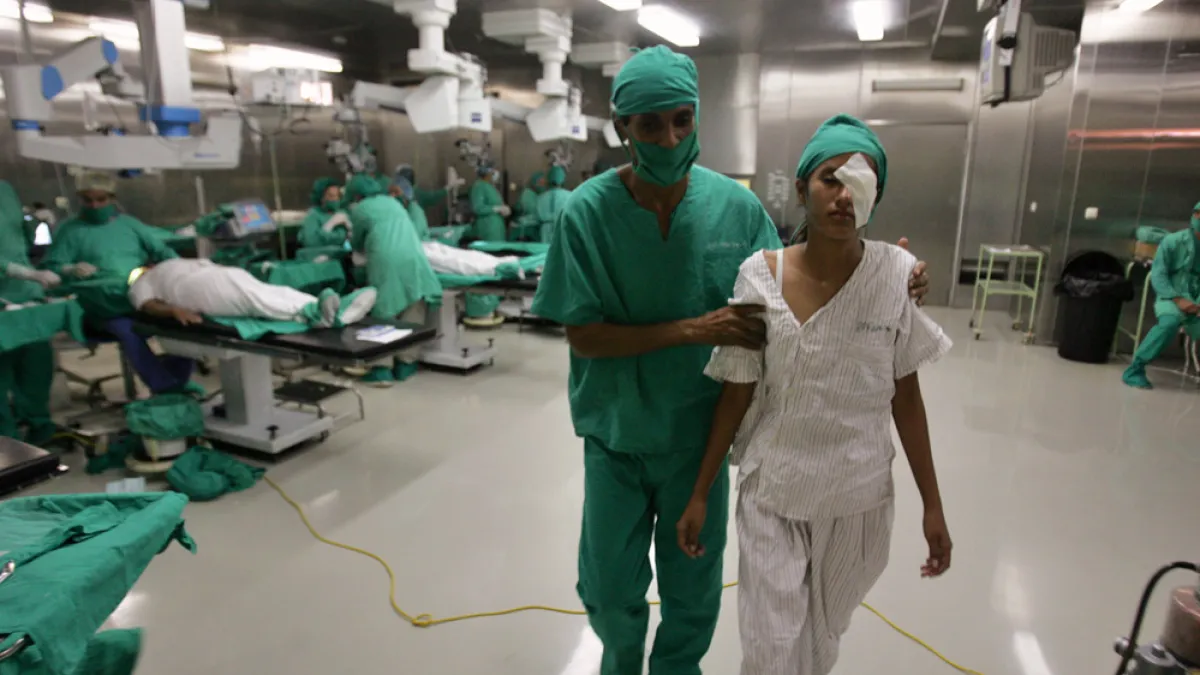
Havana, Cuba — Cuba’s healthcare system, once presented as one of the proudest achievements of the country’s revolution, is facing a deepening crisis as shortages of fuel, medicines, electricity and medical supplies make it increasingly difficult for hospitals to treat patients.
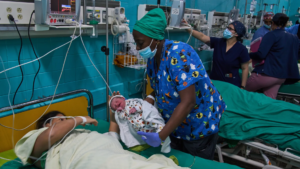
At Havana’s William Soler Pediatric Hospital, neonatal surgery once had a survival rate of more than 90 percent. But Alioth Fernandez, head of the hospital’s surgical and anaesthesiology departments, says the situation has changed dramatically this year.
“In the first half of this year, we have seen very high mortality among newborns needing surgery, with more than half of the cases resulting in death,” Fernandez said.
Doctors across Cuba say the deterioration has been worsened by economic pressure and the latest measures imposed by US President Donald Trump.
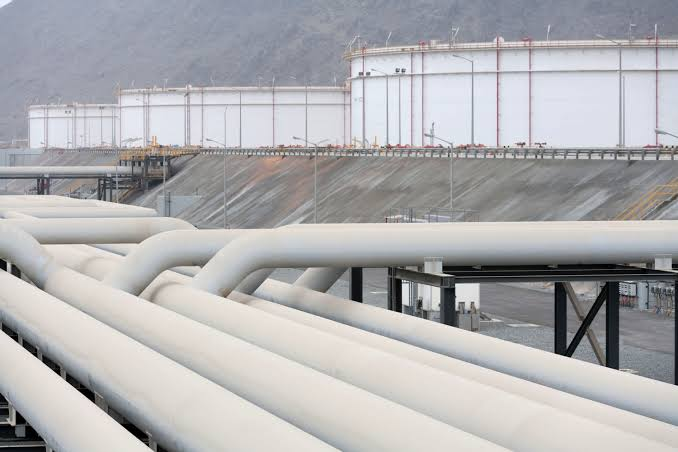
Trump announced a fuel blockade against Cuba on January 29, threatening countries that export fuel to the island with heavy tariffs. Since then, only one foreign oil tanker has reached Cuba, according to the report.
The impact has spread far beyond petrol stations. Cuba has experienced blackouts lasting up to 20 hours a day, while shortages of basic supplies have disrupted hospitals, pharmacies and transportation.
Fernandez says children are among those suffering most from a crisis they had no part in creating.
“Children are the least to blame,” he said. “Because children certainly have no ideology, nor did they ask to be born in a ‘communist’ country.”
For doctors, some of the most painful deaths are those they believe could have been prevented.
Patients who once received treatment within weeks are now facing long delays. Infections are becoming more difficult to control because of shortages of antibiotics, while poor hygiene, malnutrition and unreliable electricity are placing additional pressure on hospitals.
The situation has forced medical workers to make choices they never expected to make.
“Now, we have to play God. When you secure the resources for a single surgery, we have to decide who gets to be operated on,” Fernandez said.
“It’s an impossible situation because, ultimately, they are all just children.”
Trump’s pressure adds to Cuba’s long-running struggle
Cuba has lived under a comprehensive US trade embargo for more than 60 years. Experts and Cuban officials say the restrictions have long limited the island’s ability to obtain certain medicines, medical equipment and other essential products.
The pressure has intensified under Trump. His administration has imposed additional sanctions and maintained Cuba’s designation as a state sponsor of terrorism, a move that can make international financial transactions involving Cuban entities more difficult.
In May, Trump also signed an executive order restricting companies from supporting the Cuban government in several key sectors, including energy, finance and mining.
Two major shipping companies, Hapag-Lloyd and CMA CGM, subsequently halted operations in Cuba.
The result is being felt directly inside hospitals.
In February, the Cuban government introduced emergency measures to reduce energy consumption, including the suspension of non-essential medical services.
Doctors, however, warn that the word “non-essential” can be misleading.
A procedure may not require immediate emergency treatment, but delaying it for months can still have serious or even fatal consequences.
Patients wait as cancer care suffers
Fernandez says patients are now arriving at hospitals with conditions that have already become complicated.
Appendicitis is one example. Cases that might previously have been treated early are now reaching the hospital in worse condition, increasing the need for antibiotics and other resources that are already scarce.
“All the appendicitis cases we treat now present complications,” Fernandez said. “They demand more resources and antibiotics – supplies we don’t have.”
Cuban health authorities reported last month that survival rates for childhood cancer had fallen from 85 percent to 65 percent amid the oil blockade.
Infant mortality has also risen. The rate was four deaths for every 1,000 live births in 2017, rose to 7.7 in 2024 and reached 9.9 in 2025.
Maternal mortality increased to 44.1 deaths per 100,000 live births in 2025, up from 40.6 the previous year.
Lilian Delgado, an obstetrician and gynaecologist at Cuba’s main maternity hospital, said doctors are seeing more premature births and severe complications among pregnant women.
“Conditions are far from ideal at all the levels of the system,” Delgado said. “There are shortages everywhere.”
More than 100,000 Cubans are currently waiting for elective or reconstructive surgery, according to the country’s Health Ministry.
Among them are 5,152 cancer patients and roughly 12,000 children.
Procedures such as mastectomies and some organ transplants can be classified as elective, but doctors warn that delaying them indefinitely can allow serious illnesses to worsen.
“Our surgical services are severely hampered by a lack of supplies,” Delgado said. “We have more women suffering from serious complications, and our operating rooms have become tied up with emergency cases, making it impossible to perform elective surgeries.”
She said the consequences can be devastating.
“Ultimately, if you have a cancer patient and cannot operate due to a number of factors – such as a nationwide blackout forcing the suspension of surgeries – then, whether you intend to or not, you are directly condemning that patient to death,” Delgado said.
A hospital operating at a fraction of its former capacity
William Soler Pediatric Hospital once carried out about 10,000 operations a year, including complicated procedures such as liver transplants.
After the COVID-19 pandemic, that number fell to roughly 1,000 annually.
The decline has continued.
Fernandez said the hospital now performs only one or two elective operations each day. When emergency procedures are included, the figure rises to around three or four.
“At this pace, we will have performed around 700 operations by the end of the year,” he said.
Doctors are prioritising procedures that cannot safely be postponed, including some cancer cases and severe spinal conditions.
“We have been trying to handle as many cases as possible with the limited resources we have,” Fernandez said.
For patients like Erenia Carrillo, the struggle extends beyond surgery.
Carrillo, 57, suffers from kidney failure and depends on regular dialysis. Every other day, a vehicle operated through Cuba’s public health system takes her to hospital, where an artificial kidney cleans her blood.
She began dialysis in March 2025 but says the quality and reliability of her treatment have deteriorated.
Government data released last month showed that 2,888 Cubans receiving dialysis for chronic kidney failure had experienced disruptions because of the energy crisis.
Carrillo said hospitals that once provided medicines now struggle to do so.
At times, machines break down, forcing patients to share the few that remain operational.
Her four-hour dialysis sessions can consequently be reduced to two or three hours. Pharmacies are running short too. The shortages are not limited to hospitals.
According to Cuba’s Ministry of Public Health, 300 of the 395 medicines manufactured domestically were out of stock last month because the country could not obtain the raw materials required for production.
Pharmacy deliveries have also become increasingly irregular.
A pharmacy worker in Havana’s Cerro municipality said supplies that previously arrived roughly every 10 days can now take months.
She said the most recent shipment arrived on June 16. Before that, the previous delivery had been made on February 23.
Even the latest supplies were enough to meet only about 30 percent of the community’s needs.
The worker, who has hypertension, said she has been forced to buy medicine through the black market.
“I buy enalapril on the street, whatever the cost. What else can I do?” she said.
“When I can’t find it, I take something else. It’s not a proper treatment, and it puts my health at risk, but what choice do I have?”
Doctors increasingly forced to improvise
Roxana Martinez, a family doctor in Havana’s Cayo Hueso neighbourhood, said she regularly sees patients she cannot properly treat because pharmacies have little or no medicine.
“There are practically no medicines in the pharmacy,” Martinez said. “We used to have options to substitute one medication for another, but not any more.”
Some patients arrive with serious conditions, she said, only to discover that she has no conventional medicine to offer them.
As a result, Martinez has increasingly turned to herbal and natural remedies.
For patients with high blood pressure, she sometimes suggests lemongrass preparations or tamarind juice.
Natural remedies have existed in Cuban healthcare for generations, she explained, but their growing importance now reflects the lack of alternatives.
Cuba has recently allowed the creation of private pharmacies as part of a wider set of economic reforms aimed at easing shortages.
But the broader crisis remains.
The country has about 10,000 neighbourhood clinics, 149 hospitals and 451 polyclinics serving a population of roughly 9.4 million.
Even so, a shortage of doctors is leaving individual physicians with enormous workloads.
Primary care doctors are generally expected to care for no more than 700 patients.
Martinez once had 1,875. This year, she says, her caseload has climbed above 3,000 after she was forced to take over another clinic.
“The workload is overwhelming, but I take it on because the patients need it,” she said.
Cuba has also suffered a major population decline, with estimates suggesting that more than 10 percent of its population has left since 2020.
Many Cuban doctors have gone abroad, where their earnings can be dramatically higher.
Martinez, however, earns about $20 a month and remains at her post.
For her and many other health workers, the crisis has turned medicine into a daily battle over scarce resources.
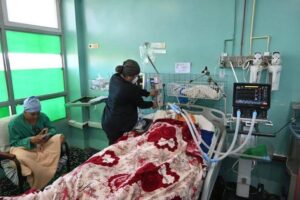
And as US pressure under Trump adds to years of economic hardship, Cuba’s hospitals are being pushed closer to a point where doctors must decide not simply how to treat patients, but which patients can be treated at all.