


WHO Sounds Alarm Over Africa’s Growing Diabetes Crisis, Says 75% of Patients Unaware
The World Health Organisation (WHO) has raised concerns over Africa’s growing diabetes burden, warning that approximately 75 per cent of affected adults remain undiagnosed.
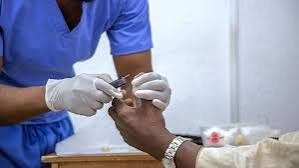
The situation exposes millions of Africans to serious health complications, with many unaware they have the condition until significant damage has occurred.
WHO Regional Director for Africa, Dr Mohamed Janabi, highlighted the growing threat in a message ahead of the 2026 World Diabetes Day.
Observed annually on November 14, this year’s campaign carries the theme, “Early Action on Diabetes”, emphasising the importance of timely diagnosis and treatment.
Data from the International Diabetes Federation (IDF) show that approximately 24.6 million adults aged 20 to 79 lived with diabetes across WHO’s African Region in 2024.
That figure is projected to reach 59.5 million by 2050, raising concerns about the continent’s ability to manage the growing disease burden.
Africa also records the highest proportion of undiagnosed diabetes cases globally, leaving millions vulnerable to complications that could be prevented through early medical intervention.
These complications include chronic kidney disease, permanent blindness, cardiovascular diseases and lower-limb amputations, which can severely affect patients’ health and independence.
Janabi warned that diabetes was already affecting the lives and livelihoods of millions, with many discovering their condition only after serious complications develop.
He stressed that identifying the disease early and beginning appropriate treatment could prevent avoidable suffering, reduce complications and save lives.
The WHO regional director urged Africans to recognise common warning signs, including excessive thirst, frequent urination, unexplained weight loss, persistent tiredness and blurred vision.
He advised anyone experiencing these symptoms to seek medical screening and professional attention without delay.
Janabi also encouraged people at higher risk of diabetes to undergo regular medical checks, even when they show no obvious symptoms.
He called on communities to strengthen public awareness, share reliable health information and discourage discrimination against people living with diabetes.
Healthcare professionals, he added, must make early detection a priority while providing timely and compassionate treatment.
To strengthen diabetes care across the continent, WHO and its partners are supporting countries through several established healthcare programmes.
These include the Package of Essential Noncommunicable Disease Interventions (WHO PEN), HEARTS, HEARTS-D and PEN-Plus.
The programmes support prevention, early diagnosis and treatment, particularly through primary healthcare facilities and secondary referral centres.
Janabi commended Rwanda for implementing PEN-Plus across all its districts, describing the country’s progress as an encouraging example for other African nations.
However, he warned that many countries still face shortages of trained healthcare workers, diagnostic equipment and essential medicines.
He also identified gaps in continuous treatment and patient follow-up as major obstacles to effective diabetes management across the region.
The WHO official called on African governments to integrate diabetes prevention, diagnosis and treatment into national primary healthcare systems and Universal Health Coverage programmes.
He emphasised the need for sustained funding to improve public awareness, provide affordable insulin and essential medicines, and strengthen diagnostic services.
He further urged governments to invest in healthcare personnel, reliable medical equipment and stronger health systems capable of managing the increasing disease burden.
Development partners, civil society organisations and private-sector institutions were also encouraged to support government efforts, particularly in vulnerable and underserved communities.
Janabi reaffirmed WHO’s commitment to helping African countries achieve the 2030 targets under the Framework for the Implementation of the Global Diabetes Compact in Africa.
With diabetes cases expected to more than double by 2050, he warned that delaying action could expose millions more people to preventable complications and premature deaths.
“The ultimate goal is to build an Africa where diabetes is diagnosed early and everyone has equitable access to standard medical care, regardless of socioeconomic status. Know the symptoms. Act early on diabetes. Save lives,” he said.





















Leave a comment