


Spain Declares Three Days of Mourning After High-Speed Train Crash Kills 68
Spain has declared three days of national mourning after a high-speed train collision killed 68 people and injured scores of others, leaving families searching desperately for missing relatives as rescue teams continue examining the wreckage.
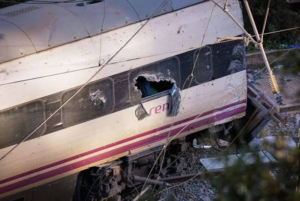
The crash occurred on Wednesday morning along a railway route connecting Madrid with Andalusia in southern Spain. Two trains operated by state-owned Renfe and private rail company Iryo were travelling in the same direction when the collision happened near Urda.
According to officials, an Iryo train stopped on the tracks before a Renfe train struck its rear, forcing several carriages off the railway line and leaving passengers trapped inside damaged compartments.
Authorities reported that 107 additional people had received hospital treatment, including 15 whose conditions were considered serious. Emergency workers continued searching the crash site overnight, using cranes and heavy machinery to move twisted metal and reach inaccessible sections.
Emiliano García-Page, leader of the Castilla-La Mancha regional government, warned that the death toll could increase because rescuers had not yet reached the deepest sections of some carriages.
The Civil Guard has opened four centres in Madrid, Toledo, Córdoba and Seville where relatives can provide DNA samples to help identify victims. Blood donation centres have also been established across Castilla-La Mancha and Madrid.
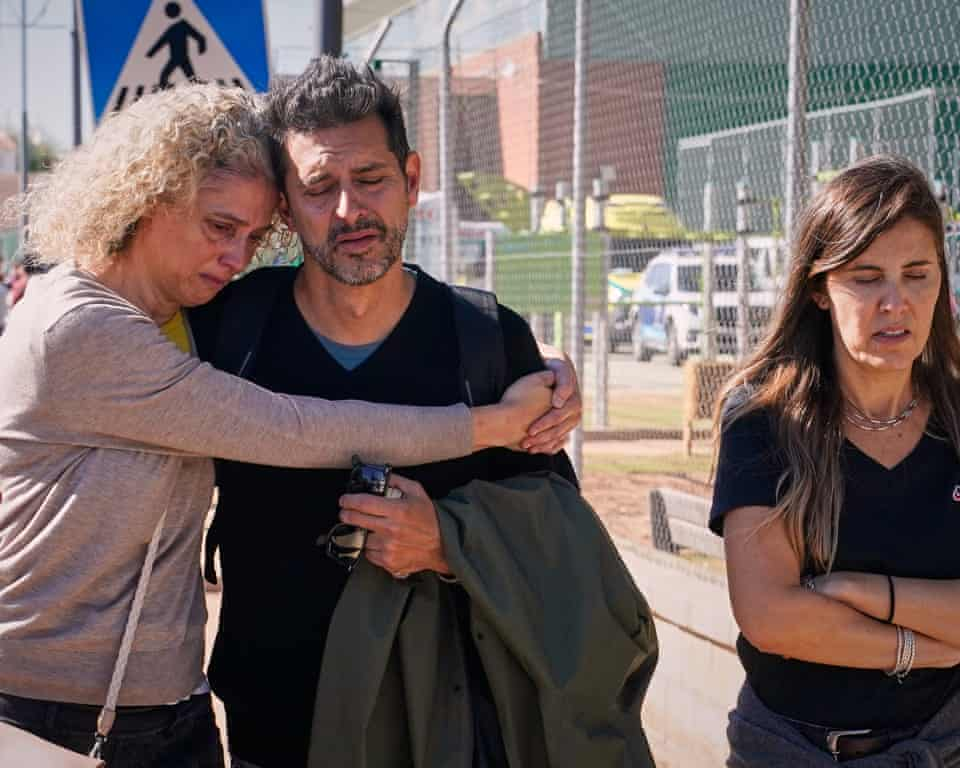
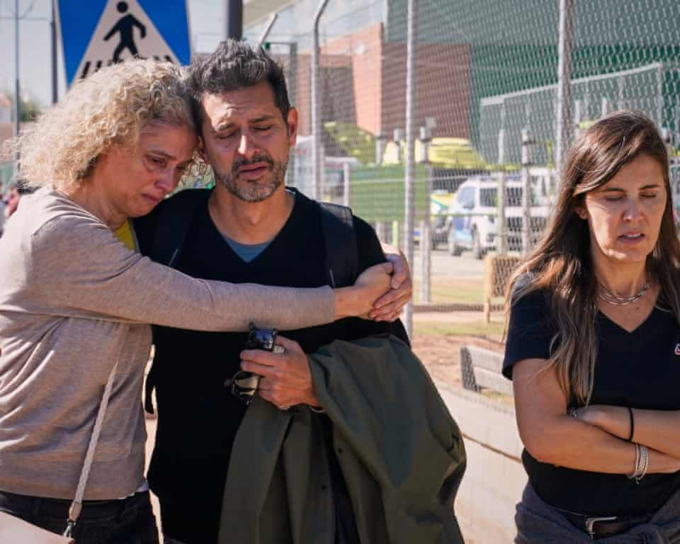
A school in Urda, located about 130 kilometres south of Madrid, has become a meeting point for families seeking information about passengers. Red Cross personnel are providing emotional support to relatives confronting uncertainty and the possibility of losing loved ones.
Red Cross psychologist Carmen Garcia said families would face a difficult period of grief, explaining that people respond differently to traumatic events. Some remain in shock, while others experience anger, sadness and anxiety as they await news.
The latest tragedy has intensified concerns about the safety of Spain’s high-speed railway system, particularly because another fatal collision involving Renfe and Iryo trains occurred earlier this year.
In January, 46 people died and dozens were injured when two trains collided near Adamuz in Andalusia, raising further questions about the condition and safety of the country’s rail infrastructure.
Spanish Prime Minister Pedro Sánchez described the occurrence of two high-speed train disasters within one year as unacceptable.
He said investigators were working to establish the latest crash’s cause and promised serious action if security failures or negligence were discovered.
Among the first victims publicly identified was José Manuel Chacón, a 31-year-old Civil Guard officer. The national law enforcement agency expressed condolences to his family, friends and colleagues following his death.
Spanish media reports also indicated that several people remained missing, including a former minister associated with the opposition People’s Party and foreign nationals believed to have been visiting Spain.
People’s Party leader Alberto Núñez Feijóo called for an immediate investigation into the collision and demanded a comprehensive, independent assessment of the country’s railway network. He said the public deserved clear answers about the safety of its infrastructure.
As Spain observes its mourning period, investigators face mounting pressure to determine what caused the collision, while rescue personnel continue their work and grieving families wait for confirmation about their loved ones.
























Leave a comment