


Trump’s Surprise $5,000 Offer Sets Off Fresh Political Storm
Donald Trump’s promise of $5,000 for every US citizen if Republicans retain control of Congress has triggered criticism and questions over its cost.

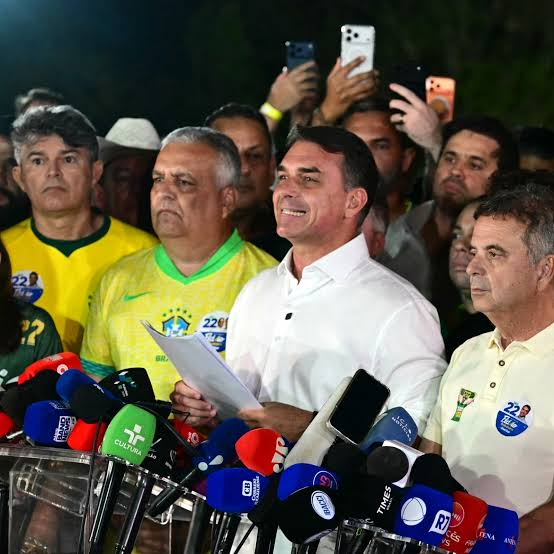
Trump announced the proposed payment during the Republican midterm convention in Dallas, linking it directly to the November midterm elections.
“If the Republicans win, you win with us and you get $5,000,” Trump said, calling it the “Trump dividend.”
The proposal comes as the United States faces mounting concerns over its national debt, which exceeded $40 trillion in August.
Republican Representative Chip Roy of Texas questioned how the government would finance a payment potentially costing more than $1 trillion.
Marc Goldwein of the Committee for a Responsible Federal Budget estimated the proposal could cost about $1.2 trillion in one year.
The US has roughly 240 million adult citizens, putting the estimated cost of the proposed payment at that level.
Goldwein warned that financing the plan through additional borrowing could increase the federal deficit and put further pressure on inflation.
He also pointed to rising Treasury yields, heavy interest payments and concerns surrounding the future of Social Security.
Goldwein warned that the proposal could create a temporary economic boost followed by a damaging downturn if its financing is not sustainable.
He also expressed concern that successful use of the strategy could encourage future politicians to promise huge payments during election campaigns.
Democratic leaders quickly condemned Trump’s announcement, with California Governor Gavin Newsom accusing him of attempting to buy votes with taxpayer money.
The Democratic National Committee also criticised Trump, pointing to previous proposals involving stimulus payments and tariff revenues.
The committee said working families were still facing high grocery and fuel costs, expensive healthcare and wages struggling to keep pace with inflation.
Meanwhile, the Bipartisan Policy Center said the US had collected about $210 billion in tariff and excise tax revenue by September 8.
At the reported collection rate, it said the government would need almost five years of tariff revenue to fund a $5,000 payment.
Economist Peter Schiff also criticised the proposal, warning that the pledge had already begun affecting financial markets.
Schiff argued that borrowing more than $1 trillion for the payments would worsen existing fiscal pressures and potentially push Treasury yields higher.
He also criticised Trump’s use of the word “dividend,” arguing that the federal government is running large deficits rather than generating a surplus.
Vice-President JD Vance later appeared to soften the proposal, suggesting that eligibility could depend on recipients’ income.
However, Republican Senator Bernie Moreno of Ohio backed Trump’s plan and said he would introduce legislation after the November 3 election.
The proposal has therefore opened another debate over whether the promised payment could be financed without worsening America’s already substantial debt burden.