


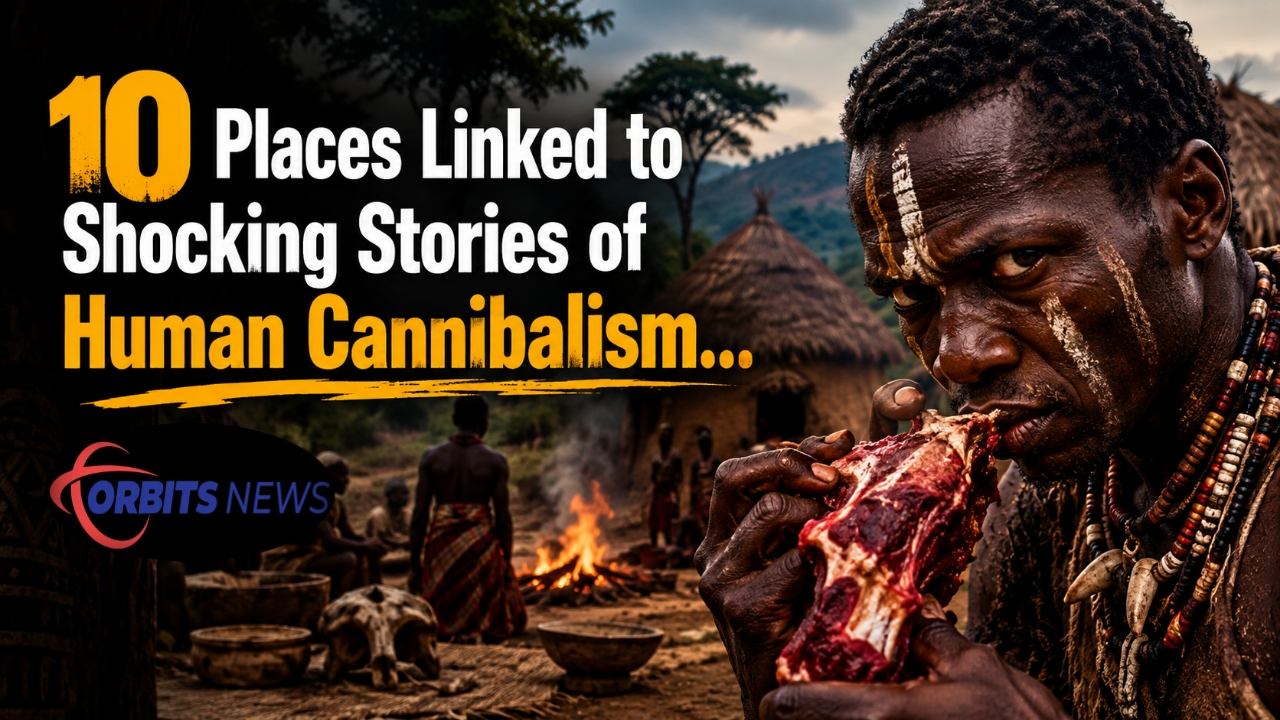
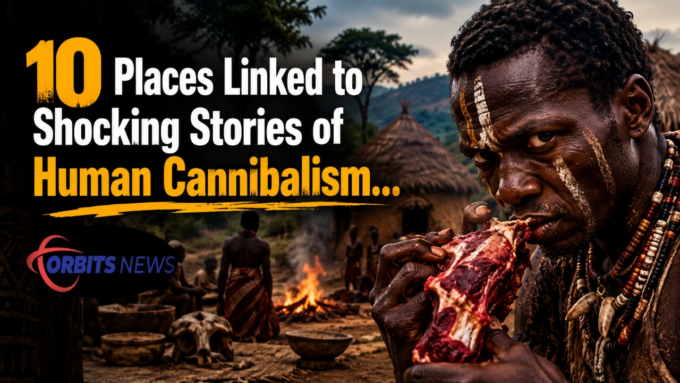
10 Places Linked to Shocking Stories of Human Cannibalism
I never really believed people could eat other people. It sounded like one of those disturbing stories designed to frighten children or entertain curious minds. But the more I encountered accounts of human cannibalism, the more I realised that history holds some deeply unsettling stories about what human beings can do to one another.
From ritual practices and wartime atrocities to horrific murder cases, reports of cannibalism have emerged from different parts of the world. Here are 10 places associated with some of these disturbing accounts.
Papua New Guinea
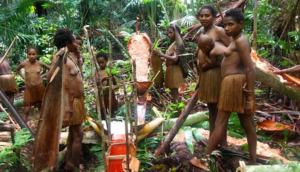
The Korowai people have long been associated with reports of ritual cannibalism, allegedly involving the consumption of people believed to be sorcerers. However, claims about how widespread or recent these practices are remain disputed.
India
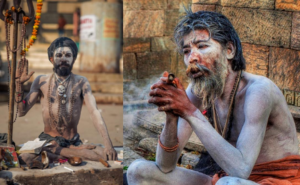
The Aghori, a small Hindu ascetic sect, are known for their unusual rituals involving cremation grounds and human remains. Some accounts describe the consumption of human flesh as part of their spiritual practices.
Liberia

Reports of cannibalism emerged during Liberia’s civil wars, alongside widespread killings and other human rights abuses. Such accounts remain part of the disturbing history of the conflicts.
Fiji
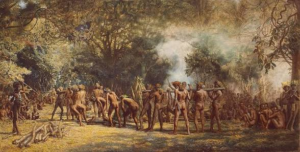
Once associated with historical traditions of cannibalism, Fiji has since moved far beyond that past. Stories connecting the Naihehe Caves to surviving cannibalistic groups should be treated cautiously, as evidence of modern practice is lacking.
Democratic Republic of the Congo
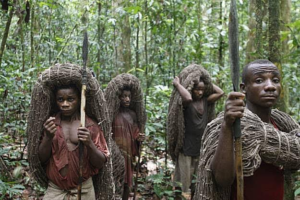
In 2003, representatives of the Mbuti people reported that armed groups in the Ituri region had committed acts of cannibalism against their communities during the conflict. The allegations highlighted the extreme brutality faced by civilians.
Japan

In 2012, Mao Sugiyama, a Japanese artist who had undergone genital removal surgery, reportedly arranged for his cooked genitalia to be served to paying guests. The controversial event drew international attention and raised questions about consent and the law.
Nuku Hiva, French Polynesia

German tourist Stefan Ramin disappeared in 2011 while on a hunting trip on the island. Human remains believed to be his were later discovered, and suspicions of foul play emerged. However, cannibalism was never conclusively established.
China
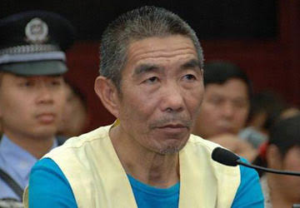
Zhang Yongming murdered 11 men in Yunnan Province between 2008 and 2012. Investigators uncovered evidence of horrific crimes, and reports alleged that he had disposed of victims’ remains in disturbing ways. He was convicted and executed in 2013.
Cambodia
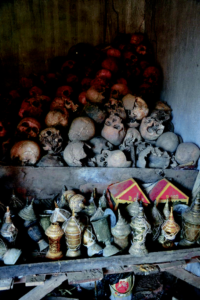
During the Khmer Rouge era and subsequent fighting, soldiers were accused of mutilating the bodies of enemies and consuming their organs. These accounts reflect the extreme violence associated with Cambodia’s troubled history.
South Korea

In 2011, authorities uncovered a smuggling operation involving capsules reportedly made from dried human foetal remains, which were marketed as health products. The case caused widespread outrage and raised serious concerns about public health and human exploitation.
The disturbing lesson is that human cannibalism is not simply a legend or a product of horror films. Historical records and documented crimes show that it has occurred in different circumstances. However, not every story is verified, and allegations of past practices should never be mistaken for proof that entire communities still engage in them today.
























Leave a comment