


Archbishop Withdraws Award From Cleric Who Once Praised Osama Bin Laden
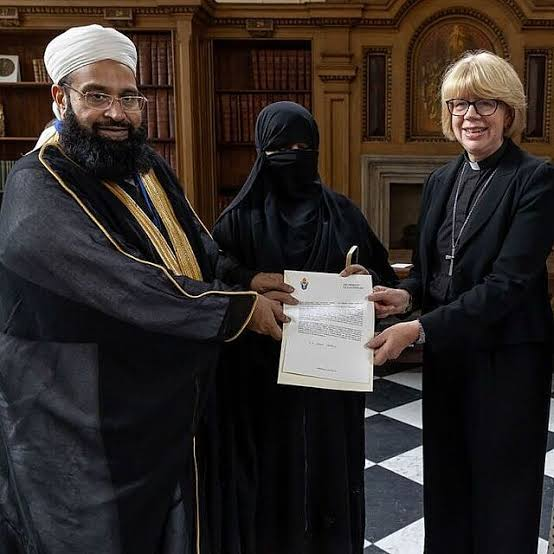
The Archbishop of Canterbury has withdrawn an interfaith award given to Pakistani cleric Hafiz Tahir Ashrafi after his past remarks praising Osama bin Laden resurfaced.
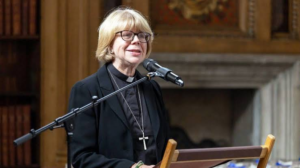
Ashrafi, chairman of the Pakistan Ulema Council, received the reconciliation and interfaith award from Archbishop Dame Sarah Mullally at Lambeth Palace on September 11.
The honour was presented in recognition of his reported efforts to support religious minorities in Pakistan, particularly the Christian community.
However, Lambeth Palace reviewed the decision after earlier comments by Ashrafi came to light.
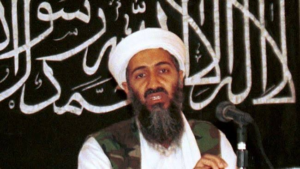
The cleric had previously praised bin Laden after the Pakistan Ulema Council awarded the late al-Qaeda leader its highest honour in response to Britain granting author Salman Rushdie a knighthood in 2007.
Ashrafi was quoted at the time as describing bin Laden as a “Muslim warrior” and supporting the decision to give him the title Saifullah, meaning “Sword of God.”
The comments have resurfaced almost two decades later, prompting the Archbishop’s office to reverse its decision.
Lambeth Palace said the award recognised Ashrafi’s longstanding support for religious minorities, adding that such support was valued by Christians in Pakistan, including members of the Anglican Church.
“However, previous comments made by Imam Ashrafi have come to light that have led Lambeth Palace to reconsider this award,” the palace said, confirming that the honour had been withdrawn.
The palace added that it had contacted Ashrafi to inform him of the decision.
The controversy comes as Ashrafi’s past statements about other issues have also attracted scrutiny. He has previously been reported as supporting Pakistan’s blasphemy laws and describing suicide bombings in Afghanistan as lawful.
The cleric has also made comments concerning Jews and Christians in relation to the conflict involving Iran, according to reports.
Despite withdrawing the award, Lambeth Palace maintained that engaging with people across religious and ideological differences remains an important part of interfaith dialogue.
The decision has consequently drawn attention to the scrutiny surrounding public honours and the past statements of individuals recognised for their work in promoting relations between religious communities.


















Leave a comment