


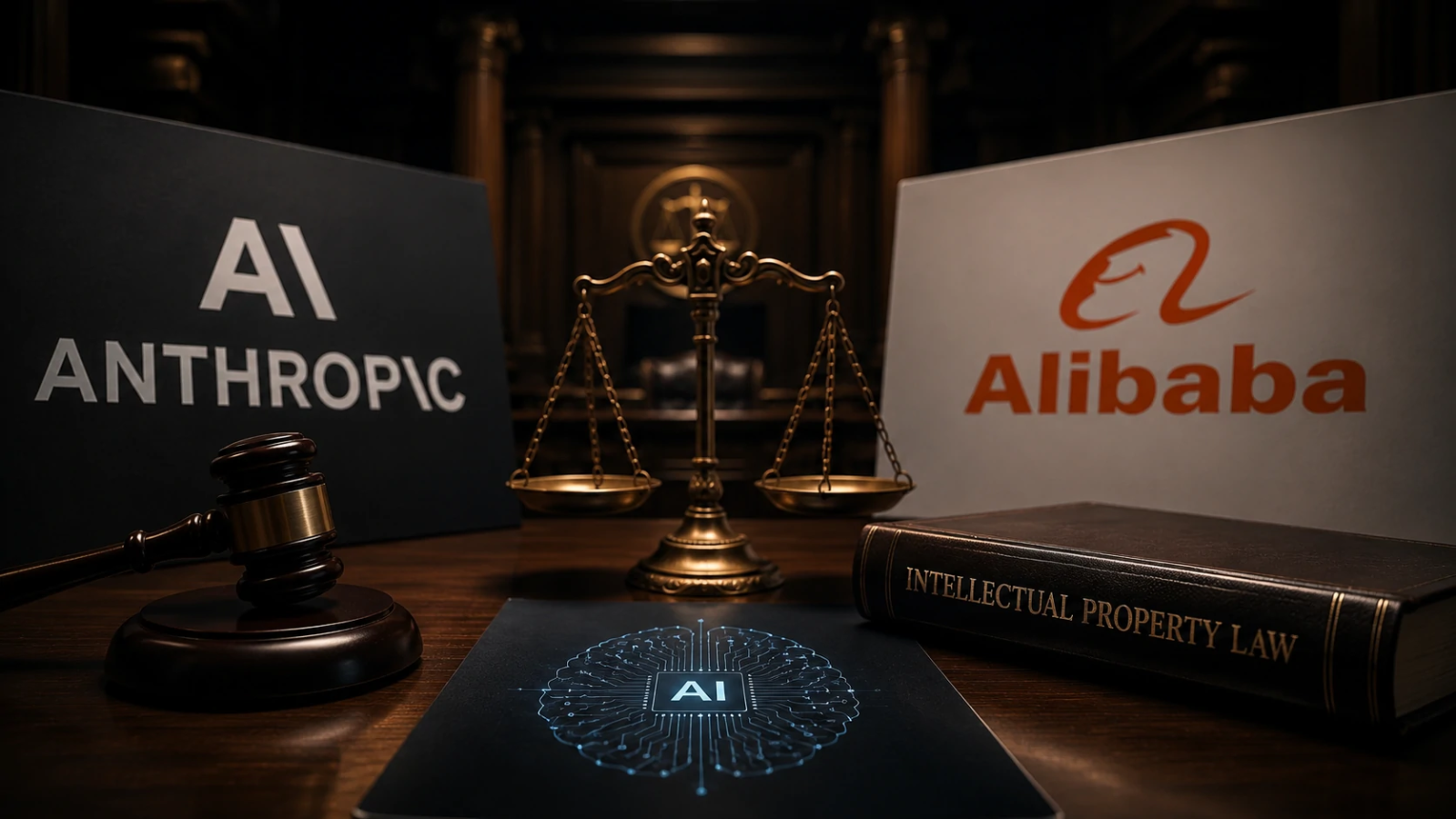
Alibaba Bars Staff From Using Anthropic’s Claude Code Amid Escalating AI Dispute
Chinese technology giant Alibaba has directed employees to stop using Claude Code for work-related tasks, according to a source familiar with the matter, as tensions between the company and AI startup Anthropic continue to intensify.
The source said the internal directive followed growing concerns over features within Claude Code that can detect signals suggesting a user is connected to China. Employees have instead been instructed to use Alibaba’s in-house AI coding platform, Qoder.
The move comes against the backdrop of an increasingly public dispute between the two companies.
Last month, Anthropic alleged that Alibaba had attempted to extract the capabilities of its Claude AI models through a process known as “distillation,” in which a smaller AI system is trained using the outputs of a more advanced model.
Anthropic outlined the allegation in a letter sent to two U.S. senators, arguing that such practices could accelerate the development of competing Chinese AI systems with capabilities approaching those of its own advanced models.
The controversy deepened after software developers reported that Claude Code included experimental features capable of examining aspects of a user’s computing environment, such as timezone settings and proxy information, while embedding subtle markers into requests sent back to Anthropic’s servers.
An Anthropic employee later confirmed on X that the functionality had been introduced as an experiment in March to curb abuse by unauthorized resellers and reduce the risk of AI model distillation.
According to the source, while individual users in China can sometimes bypass Anthropic’s access restrictions by routing internet traffic through servers located in other countries, businesses are becoming increasingly cautious about the legal and compliance implications of relying on restricted foreign AI services.
As U.S. AI developers tighten controls to prevent unauthorized access and copying of their technologies, many Chinese firms have accelerated adoption of domestic and open-source alternatives, including Alibaba’s Qwen models, as well as systems developed by DeepSeek, Moonshot and Zhipu.
The latest development underscores the intensifying competition between the United States and China as both countries race to secure leadership in the rapidly evolving field of artificial intelligence.



















https://shorturl.fm/10daO
https://shorturl.fm/8qwpM
https://shorturl.fm/MVl8D