


Super El Niño Alert: Essential Steps Nigerians Must Take to Stay Healthy and Safe
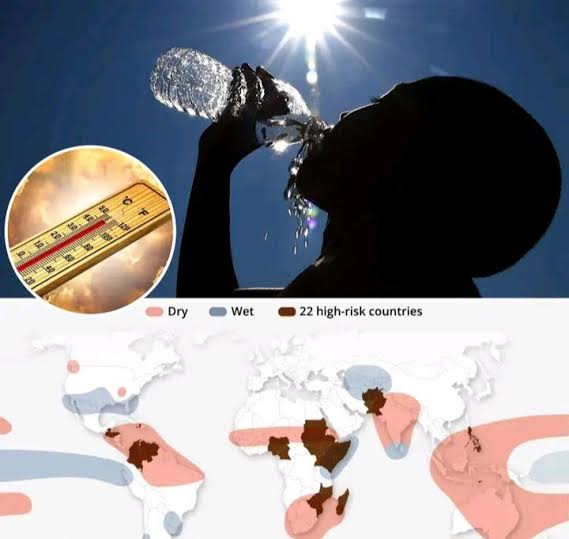
The National Emergency Management Agency (NEMA) has urged Nigerians to take preventive measures against Super El Niño, warning of extreme heat, drought, flooding and potential food shortages.

In an advisory issued on Monday, October 26, the agency outlined practical steps individuals, families and communities can adopt to protect their health, livelihoods and essential resources.
El Niño is a natural climate phenomenon that occurs when sea-surface temperatures in the central and eastern tropical Pacific Ocean become warmer than normal, influencing weather patterns worldwide.
The phenomenon can disrupt atmospheric circulation, alter rainfall patterns and increase temperatures, although its effects vary across countries and regions depending on prevailing climate conditions.
NEMA warned that a strong El Niño event could expose Nigerians to hotter weather, reduced rainfall, water shortages, flooding and food insecurity, making early preparation increasingly important.
The Nigerian Meteorological Agency (NiMet) also reported in its 2026 climate update that a strong El Niño event had developed, with potential implications for rainfall and temperatures.
As part of its recommendations, NEMA advised Nigerians to reduce outdoor activities during peak heat hours, particularly between 11 a.m. and 4 p.m., whenever possible.
People who must work outdoors should take regular breaks in shaded areas, wear lightweight clothing and protective hats, and drink clean water frequently to prevent dehydration.
The agency also encouraged Nigerians to schedule strenuous activities for early mornings or late evenings, when temperatures are generally lower and prolonged exposure to heat may be reduced.
Children, older people and other vulnerable individuals require special attention during periods of extreme heat, making regular checks on their wellbeing particularly important.
NEMA advised households to conserve water, repair leaking taps and pipes, avoid unnecessary consumption, and store available supplies in clean, covered containers for future use.
Maintaining proper sanitation and protecting water sources are equally important, especially when shortages may force households to depend on alternative supplies that require careful handling.
The agency further urged Nigerians to keep their surroundings clean, practise regular handwashing and maintain good hygiene to reduce exposure to waterborne diseases and other infections.
Anyone experiencing concerning symptoms during periods of extreme heat should seek medical attention promptly, particularly when dehydration or other heat-related illnesses are suspected.
To strengthen food security, NEMA encouraged households to store essential food supplies, support local farming and explore home gardening as practical ways of improving food availability.
Farmers were advised to consider drought-resistant crops, adopt improved agricultural practices and protect livestock and poultry against adverse weather conditions that could threaten their livelihoods.
The agency also recommended diversifying income sources and exploring available government support programmes to help households and farmers manage potential disruptions caused by unfavourable climate conditions.
NEMA urged Nigerians to follow official updates from the agency, NiMet and credible media organisations, while complying with weather advisories and emergency warnings issued by relevant authorities.
Communities were encouraged to participate in early-warning initiatives, share verified safety information with neighbours and families, and check on vulnerable residents who may require assistance.
Although El Niño occurs naturally, its effects can create significant challenges for public health, agriculture and water supplies, making preparedness essential for individuals and communities.
Nigerians are therefore encouraged to conserve essential resources, protect themselves against excessive heat and remain informed as authorities continue monitoring climate developments and issuing relevant guidance.

























Leave a comment