


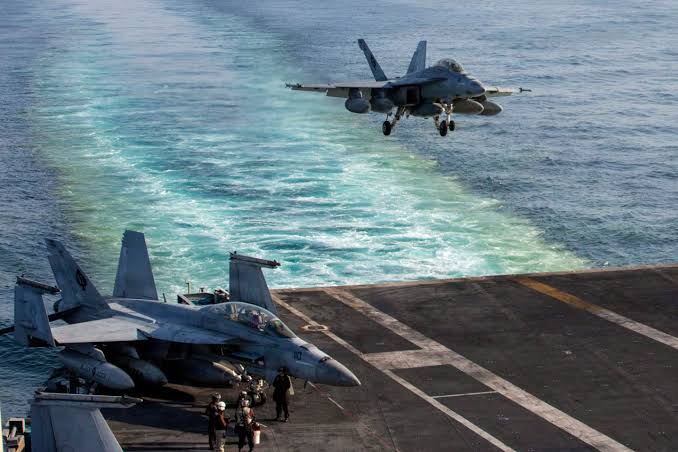
US Launches Second Day of Airstrikes on Iran as Hormuz Tensions Escalate
The United States has carried out a second consecutive day of airstrikes on Iran, intensifying the conflict after renewed attacks on commercial shipping in the Strait of Hormuz and further dimming hopes of a lasting ceasefire.
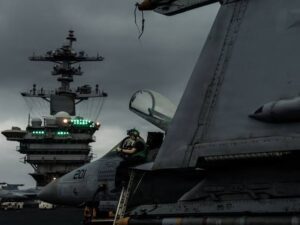
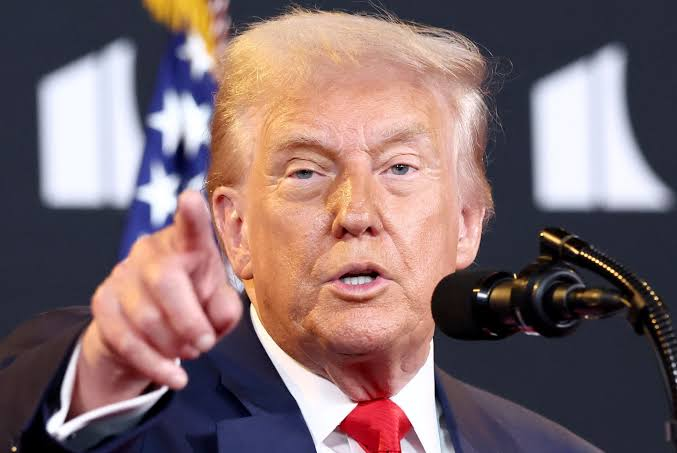
The latest military operation came hours after US President Donald Trump declared that the interim agreement intended to halt the fighting was effectively over, warning Tehran that any future attacks would draw an even stronger response.
Iranian state media reported explosions overnight in several areas, including the strategic port city of Bandar Abbas, the southern coastal city of Sirik and Bushehr Province, which hosts one of Iran’s key nuclear facilities.
In a statement, the US Central Command confirmed that American forces had begun another round of strikes aimed at reducing Iran’s ability to threaten freedom of navigation through the Strait of Hormuz, one of the world’s most important oil transit routes.
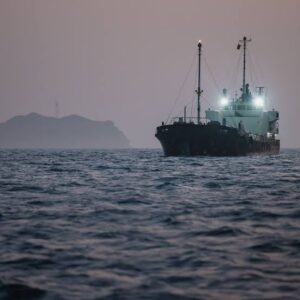
The latest escalation follows attacks on three cargo vessels passing through the strait earlier this week, prompting Washington to revoke a temporary sanctions waiver that had allowed Iran to continue limited oil exports.
The renewed fighting has dealt a fresh blow to diplomatic efforts after an interim agreement reached in June had raised hopes of a more permanent settlement between both countries.
The conflict has also expanded beyond Iran. After launching attacks on US military installations in Bahrain and Kuwait on Wednesday, Iran reportedly targeted the same facilities again on Thursday.
Air raid sirens sounded in Bahrain, while Kuwaiti authorities said their air defence systems intercepted incoming drones and missiles. No immediate casualties or major damage were reported.
Iranian media also reported explosions on Abu Musa Island, a strategically located island in the Strait of Hormuz that remains under Iranian control but is also claimed by the United Arab Emirates.
Authorities in Tehran maintained that the Bushehr nuclear power plant was not damaged despite the latest strikes.
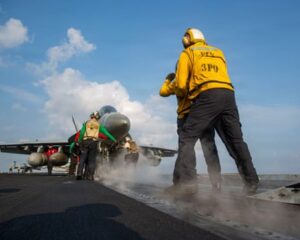
The growing hostilities have continued to unsettle global markets. Brent crude oil prices rose sharply to nearly 80 dollars per barrel, while US stock markets fell amid concerns over the wider economic consequences of the conflict.
The military action has also sparked political criticism in the United States. Senator Bernie Sanders argued that escalating the war would cost more American lives and increase government spending without making the country safer.
Earlier, President Trump had signalled that further military action was likely while attending the NATO summit, saying the United States would continue responding to what he described as Iranian attacks on international shipping.
Iran, however, insists that the temporary agreement gave it the authority to regulate maritime traffic through the Strait of Hormuz and has rejected accusations that it is acting unlawfully.
Meanwhile, preparations are underway for the burial of Iran’s Supreme Leader, Ali Khamenei, in his hometown of Mashhad following his reported death during the opening phase of the conflict.
Days of mourning have drawn large crowds across Iran and neighbouring Iraq as the country continues to grapple with the consequences of the war.


















https://shorturl.fm/WnQ4u
https://shorturl.fm/qiVIy