


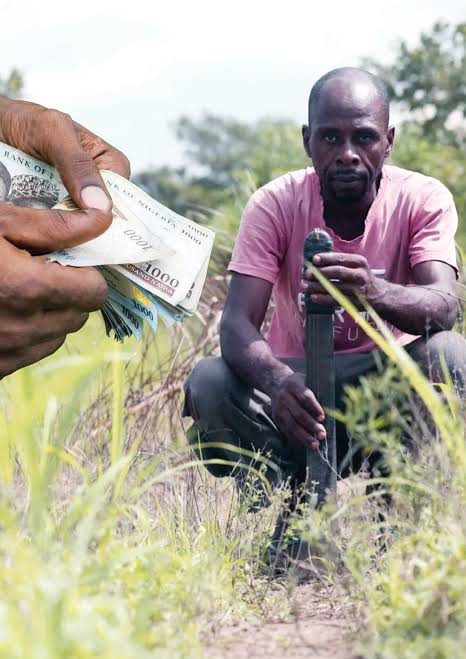
Bandit Levies Keep Farmers Off Their Fields, Raising Food Security Concerns
As the rainy season ushers in another farming cycle across Nigeria, thousands of farmers in parts of the North are returning to a familiar reality, one marked by fear rather than optimism.
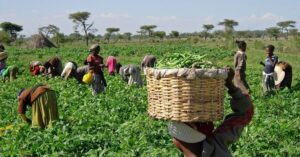
In several communities affected by banditry, cultivating farmland has become increasingly difficult as armed groups continue to impose illegal levies and restrict access to agricultural land.
In recent months, reports from states including Katsina, Sokoto, Zamfara and Yobe have highlighted how criminal gangs are demanding payments from rural communities before allowing residents to farm.
One of the latest incidents occurred in June in Kwandawa, a community in Malumfashi Local Government Area of Katsina State, where residents were reportedly ordered to raise ₦20 million or abandon both their homes and farmlands.
The demand was said to have followed the killing of a member of the armed group.
Around the same period, residents of roughly 26 communities in Sabon Birni Local Government Area of Sokoto State were also forced to contribute money to meet fresh demands from bandits.
According to reports, the armed groups barred farmers from entering their farms and gave them a three-day deadline to comply with the payment before agricultural activities could resume.
Similar incidents were reported in parts of Kano and Katsina, where sugarcane farmers allegedly paid as much as ₦50,000 per acre before being allowed to harvest their crops.
Observers say the armed groups have effectively created parallel authority in some forest communities, enforcing their own rules through intimidation and violence.
The situation has intensified concerns over Nigeria’s food supply, with stakeholders warning that continued attacks on rural farming communities could significantly reduce agricultural output.
Speaking on the development, the Chairman of the All Farmers Association of Nigeria (AFAN), Kano State chapter, Abdullahi Ali Mai Biredi, said insecurity remains one of the biggest threats to food production in the country.

He noted that Nigeria depends largely on smallholder farmers for its food supply, stressing that although their harvests may be modest, they collectively sustain millions of households.
According to him, preventing these farmers from accessing their land will inevitably lead to lower production, food shortages and rising prices.
Mai Biredi further warned that hunger and food scarcity can, in turn, worsen the country’s security challenges, creating a cycle that becomes increasingly difficult to break.
Despite the ongoing challenges, he acknowledged improvements in security across some farming communities, praising government authorities and security agencies for enabling farmers in certain areas to return to their fields.
He pointed to communities along the Kano-Katsina border, where many farmers have already begun preparing their land for the new planting season following improved security conditions.
The AFAN chairman also urged the government to pursue lasting solutions to the country’s insecurity by addressing the factors driving violent crime, arguing that sustained peace is essential for agricultural growth and national development.

Meanwhile, efforts to obtain official reactions from the Katsina State Ministries of Agriculture, Information and Internal Security were unsuccessful, as the ministries had not responded before the report was concluded.