


By: Chioma Madonna Ndukwu
The Way We Live: Yesterday Doesn’t Always Stay Behind
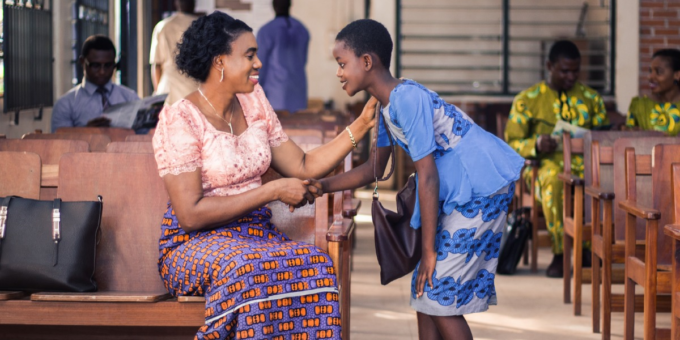
The first thing people noticed about Grace was not her sermons. It was the kettle. Every Tuesday afternoon, before anyone arrived at the community centre, she boiled water for tea, arranged plastic chairs in a loose circle and placed a basket of biscuits on the table.
Some people came because they had nowhere else to go. Some came because they had made mistakes too heavy to carry alone. Others simply wanted someone to sit with them without asking too many questions.
Grace never hurried anyone.
“Tea first,” she would say with a smile. “Stories sound different when your hands are warm.”
That afternoon, the door opened quietly.
A young man in his twenties stepped inside, looked around and fixed his eyes on her.
“You really are Grace?”
“I am.”
He hesitated before pulling out his phone.
“I saw something about you online.”
The room fell silent.
“My friends sent it. They said the woman who talks about second chances used to live a completely different life.”
Grace glanced at the phone but did not ask to see it.
“I know what’s there,” she replied.
“So… it’s true?”
“Yes.”
“You don’t deny it?”
“No.”
He looked genuinely puzzled.
“Then why do people still come here?”
Grace folded her hands.
“Because people don’t come looking for someone who has never fallen. They come looking for someone who knows what it takes to stand again.”
The young man lowered his eyes.
“I’ve always hated people who pretend their past never happened.”
“I don’t pretend.”
“But doesn’t it hurt? Every time someone shares those old videos or reminds everyone who you used to be?”
Grace smiled faintly.
“It hurts.”
She paused before adding,
“Yesterday has a loud voice. Sometimes it arrives before I do.”
The words lingered between them.
“I can’t erase what happened. I can’t force people to forget. All I can do is decide who I’ll be when I wake up tomorrow.”
The young man nodded slowly.
“My brother called from Toronto last week,” he said. “A teacher there almost lost his job because of jokes he posted when he was sixteen. My aunt in Manchester told me about a woman whose neighbours still whispered about a mistake she’d spent years trying to correct.”
The young continued, “Then my university roommate from Nairobi laughed when I asked if it only happened here. He said, ‘People may speak different languages, but the internet has only one memory.’”
Grace smiled knowingly.
“My daughter lives in Melbourne,” she said. “She tells me stories that sound differently the same.”
An elderly volunteer arranging books nearby looked up.
“My grandson in São Paulo says people are quick to archive someone’s worst day,” she said softly. “But they’re slow to notice the years spent becoming someone new.”
The young man let out a quiet breath.
“I recently read about a woman who left the adult entertainment industry, found faith, became a pastor and begged people to stop sharing the videos from her former life. Some people applauded her. Others insisted she should never escape her past.”
Grace looked through the window where children were playing outside.
“We all hope,” she said, “to be judged by the person we’re trying to become, not only by the person we once were.”
The elderly volunteer smiled.
“My husband kept a quotation above his desk for over thirty years. It was by Maya Angelou: ‘Do the best you can until you know better. Then when you know better, do better.’ Every time I read it, I remembered that growth is not pretending yesterday never happened. Growth is refusing to live there.”
No one spoke.
The young man quietly slipped his phone back into his pocket.
“I think I came here to expose someone.”
“And what did you find?”
He smiled.
“Someone who had already told the truth.”
Just then, a little girl walked in carrying a worn storybook.
“Miss Grace,” she whispered, “the pages came out.”
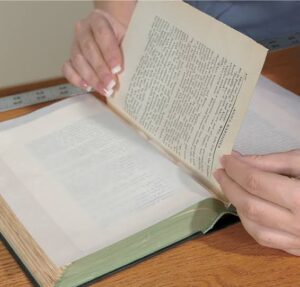
Grace sat beside her, carefully lined up the torn pages and pressed clear tape across each one.
“There,” she said, handing it back.
“It still has the whole story.”
The little girl hugged the book against her chest and ran outside. Grace watched her disappear into the evening.
Somewhere, another woman in Lagos was wondering whether anyone would believe she had changed. A father in London was hoping his children would remember the years he stayed instead of the day he failed them.
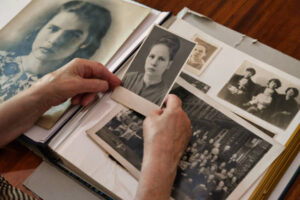
It hardly mattered whether the address was in Lagos, London, Seoul, Johannesburg or Chicago. Across continents, people carried the same quiet hope, that one mistake would not become the only story anyone ever remembered about them.
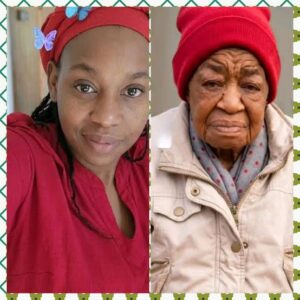
Personal Thoughts:
The past explains us, but it should never be the only witness called to testify about who we are.
One Thing Worth Remembering
Real transformation is not proved by having a perfect yesterday. It is proved by faithfully living a better today.
What About You?:
Have you ever watched someone genuinely change, or have you struggled to convince people that you are no longer the person you used to be?
Your story may remind someone else that redemption is possible, even when yesterday still knocks without warning.