

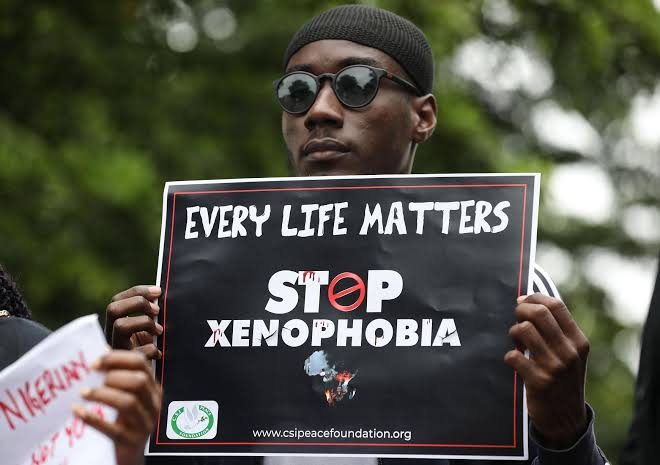
By: Chioma Madonna Ndukwu
The Way We Live: After Twenty Years, They Told Him To Go Home
The first time someone told Kofi to go home, he laughed because he thought it was a joke. He had lived in Johannesburg for twenty-two years.
His wife was South African. His children were South African. His youngest daughter had never seen Ghana except through photographs and video calls with grandparents she knew only through a screen.
So when a man standing outside his small grocery shop pointed a finger at him and shouted, “Foreigners must leave,” Kofi looked around, expecting someone else to laugh too. Nobody did.

That evening, he got home unusually quiet. His wife noticed immediately.
“What happened?”
Kofi dropped his keys on the table.
“They said I should go home.”
His wife frowned.
“You are home.”
For a moment, neither of them spoke. Outside, children were playing football in the street. Inside, the meaning of home suddenly felt less certain.
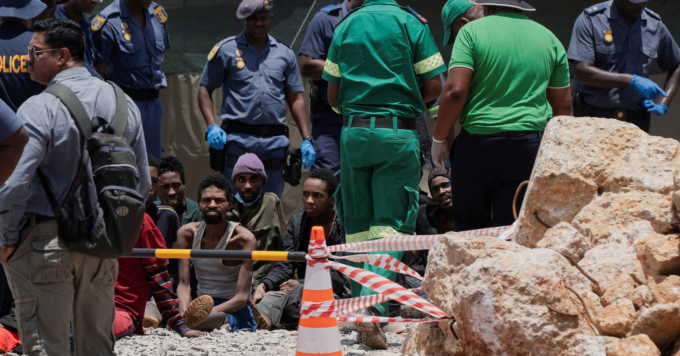
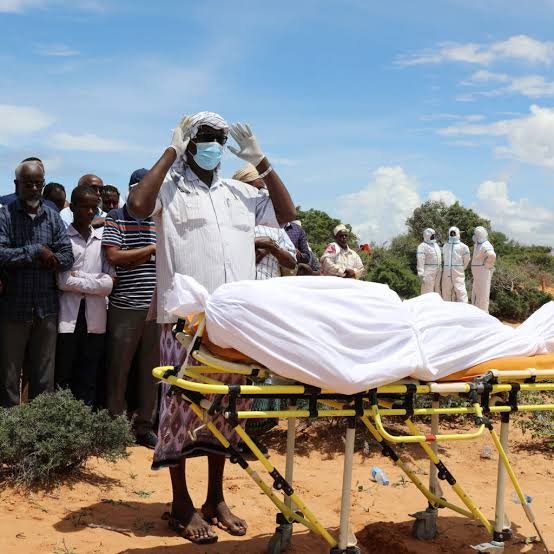
Across parts of South Africa, stories like Kofi’s have become painfully familiar. Migrants from Nigeria, Ghana, Zimbabwe, Malawi, Mozambique and other African countries have reported attacks, intimidation, looting and threats. Some have lost businesses they spent years building. Some have lost family members.
Others have packed their lives into suitcases and joined evacuation flights arranged by governments trying to bring their citizens to safety.
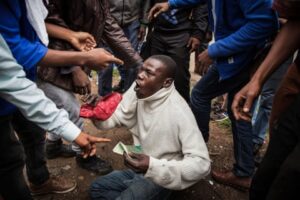
Ghana has begun evacuating its citizens. Nigeria has also moved to bring home batches of its nationals, with officials saying no Nigerian who has registered for evacuation would be left behind as tensions rise.
Similar efforts have been reported across other African countries as governments respond to the growing insecurity faced by their citizens abroad.
Yet what makes the situation especially heartbreaking is that many of those being told to leave are not strangers to South Africa.
They are husbands, they are wives, they are neighbours. They are people whose children recite the national anthem from memory.
They are people who have spent more years in South Africa than in the countries where they were born.
One afternoon, Kofi’s daughter returned from school and found her parents watching the news.
“Are we moving?”
The room fell silent.
“Who said that?” her mother asked.
“Some children at school.”
She looked at her father.
“They said foreigners are leaving.”
Kofi forced a smile.
“We’re not talking about that right now.”
But children notice what adults try to hide. They notice the packed documents, the whispered conversations, the embassy updates, even the tension hanging in the air like a storm cloud.
Weeks later, Kofi walked through a busy street and noticed something he could not ignore.
Nobody questioned European tourists sitting in cafés. Nobody asked white expatriates in corporate offices to prove where they came from. Nobody marched to luxury estates demanding they leave.
The anger seemed to choose its targets carefully. People who looked like him, sounded like him.
People who came from countries struggling with the same economic pressures South Africa itself continues to face.
That evening, he sat outside quietly. His wife joined him.
“It’s unfair,” she said.
Kofi nodded.
“I know.”
“No one asks me to choose between my country and my husband.”
Kofi stared into the distance.
“But they are asking me.”
A few days later, Kofi was talking with a Nigerian friend who owned a small electronics shop nearby.
The man shook his head as they watched another report on television.
“Do you know what hurts the most?” he asked.
Kofi looked at him.
“What?”
“There are South African businesses all over Africa. In Nigeria alone, they operate across almost every sector. MTN, MultiChoice, Stanbic, Protea, and many others are deeply rooted in everyday life. South African companies and workers are spread across the continent, building systems and economies alongside locals.”
He paused.
“But nobody is standing outside their offices telling them to go home.”
Kofi nodded slowly.
The man continued.
“Nobody is asking South Africans working in other African countries to prove their identity. Nobody is looting their businesses because they are South African. Nobody is accusing them of taking jobs or opportunities.”
Silence followed. The contradiction sat heavily between them.
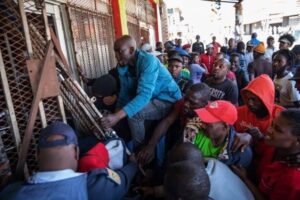
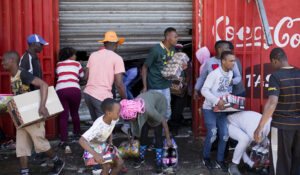
Africa had spent decades speaking about unity, shared identity, and Pan-African solidarity. Yet in moments of tension, those ideals often collapsed under fear, frustration, and economic strain.
Kofi stared at the television again. Sometimes the deepest wound is not the violence itself.
It is the feeling that the respect you freely gave others is no longer being returned.
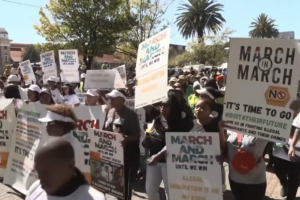
At a community gathering held after another wave of attacks, candles were lit, and voices trembled as people shared stories of loss and survival.
An elderly teacher stood and spoke softly.
“No one leaves home unless home is the mouth of a shark.”
The room grew quiet.
Later, another voice added a reminder once spoken by Nelson Mandela.
“Our human compassion binds us the one to the other.”
For a brief moment, the gathering felt less like a protest and more like a plea to remember something simple that violence had complicated.
That belonging is not supposed to be conditional. That dignity is not supposed to depend on origin. That survival should not require proof of nationality.

Weeks passed. Evacuation lists grew. Suitcases were packed. Some left, some stayed, some waited for answers that never came in clear sentences.
One night, Kofi’s daughter fell asleep on the couch. The television was still on, speaking about departures, tensions, and diplomatic conversations.
He carried her gently to bed. As he tucked her in, she opened her eyes briefly.
“Daddy?”
“Yes?”
“We’re staying home, right?”
Kofi paused.
Then he kissed her forehead.
“Yes,” he whispered.
Though neither of them was completely sure what that word meant anymore.
The saddest thing about xenophobia is that it turns neighbours into strangers long before it turns strangers into enemies.
Moral: The true measure of Pan-Africanism is not how loudly we celebrate African unity, but how we treat fellow Africans when times become difficult.
Comment Hook: Every act of exclusion leaves a wound long before it becomes a crisis.