

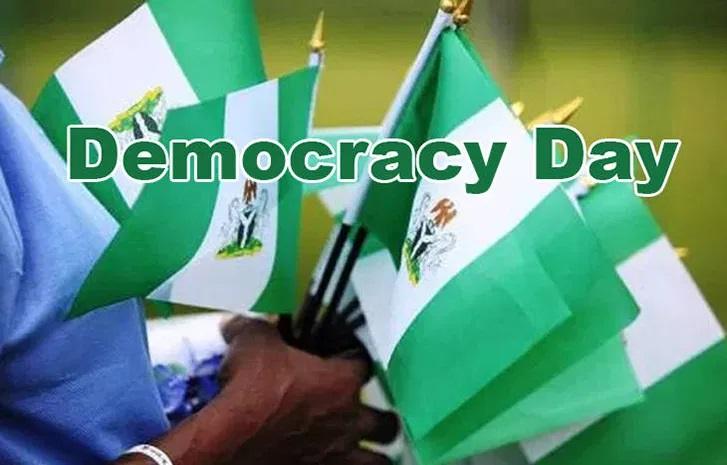
Nigeria Marks Democracy Day Under the Weight of Broken Promises
Nigeria’s Democracy Day arrives like a familiar shadow over a hopeful morning, and I find myself standing between memory and reality, asking what exactly we have built from the promise of June 12 and the birth of independence in 1960.
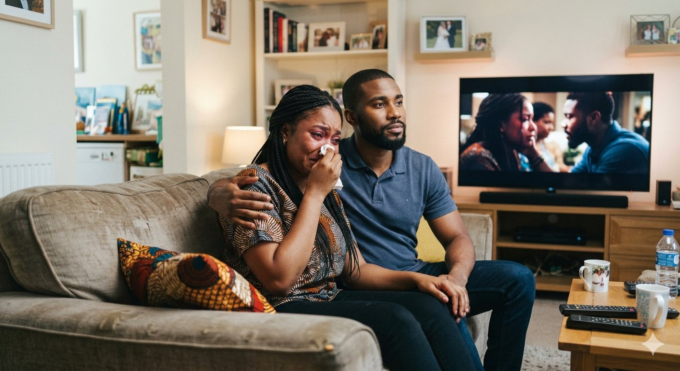
It is a nation that once sang freedom like a new anthem, yet today that song feels interrupted by the noise of insecurity, economic strain, and a growing silence of those who can no longer endure.
From the memory of ballot struggles to the echoes of military rule, Nigeria’s democracy has travelled far, but not always forward.
Security concerns continue to dominate national conversations, with reports of kidnappings, bandit attacks, and violent incidents unsettling communities across the country.
The recent cases involving abducted schoolchildren and the killing of a teacher in captivity have further deepened public anxiety, reinforcing fears that safety remains far from guaranteed for many citizens.
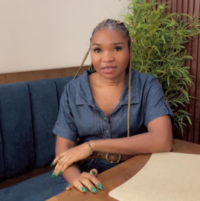
In Lagos, an Orbit News interview with Oma, captured the mood of frustration and fatigue. A young graduate, Daniel Akinwale, said, “I don’t want to leave Nigeria, but staying feels like waiting for life to start.”
In Port Harcourt, trader Blessing Eze added, “We celebrate democracy, but everyday survival is still a private struggle.” Their words reflect a generation caught between belonging and uncertainty.
At the same time, economic hardship continues to push many young Nigerians toward the growing “japa” wave, as graduates and skilled workers leave in search of better opportunities abroad.
Airports have become quiet turning points of departure, where ambition meets resignation, and hope often travels one-way.
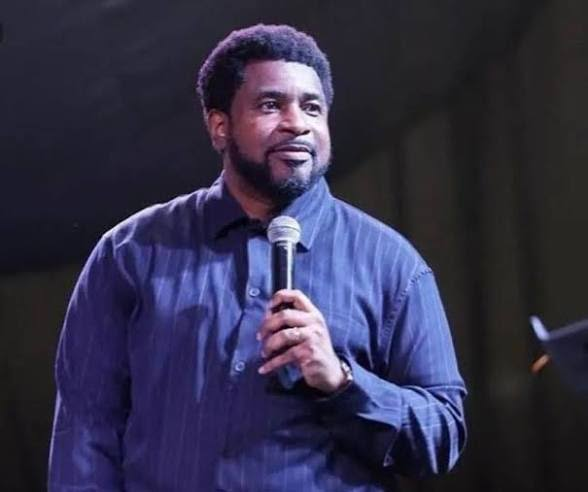
Public frustration has also found expression in protests and civic actions, including demonstrations led by social activist Martins Vincent Otse, popularly known as VeryDarkMan, who has continued to draw attention to insecurity and governance concerns.
These voices underline a growing demand for accountability and urgency from leadership.
Yet amid the tension, the meaning of democracy itself is being re-examined. As Nelson Mandela once said, “It always seems impossible until it is done,” a reminder that transformation is rarely immediate, but always possible.
Barack Obama also once noted, “Change will not come if we wait for some other person or some other time. We are the ones we’ve been waiting for,” a call that places responsibility not only on leaders but on citizens as well.
As Nigeria marks Democracy Day, the central question remains whether democratic governance is translating into tangible improvements in the lives of ordinary people.
The day stands not only as a commemoration of political history but as a mirror reflecting the gap between promise and reality, between democracy as an ideal and democracy as a lived experience.