


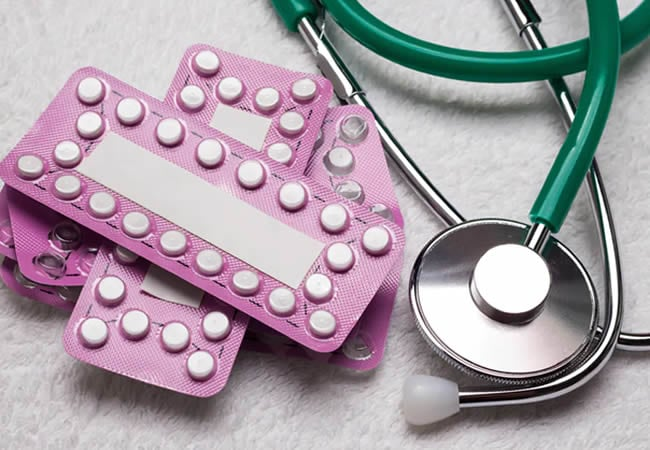
WHO Adds Mifepristone to Emergency Contraception Options
The World Health Organization (WHO) has added mifepristone to the contraceptive options it recommends for preventing pregnancy after unprotected sex.

Under the new guidance released on Wednesday, mifepristone can be used as an emergency contraceptive and should be taken as soon as possible after unprotected sex, and within five days of the encounter.
WHO said doses between 10mg and 50mg are likely to be as safe and effective as other emergency contraceptive methods.
The recommendation forms part of WHO’s new guidelines on expanding contraceptive options, which are aimed at helping countries widen access to family-planning methods supported by scientific evidence.
The organisation also recommended changes in how some existing contraceptives can be used.
Combined oral contraceptive pills, for example, can be taken for extended periods of up to six months or continuously for up to one year, according to the new guidance.
WHO also supports the use of contraceptive implants for up to five years, a move that could reduce the frequency of replacement procedures and clinic visits.
WHO said the broader recommendations are intended to give people more options when deciding whether to use contraception, which method suits them and when to change or discontinue a method.
An estimated 164 million women who want to delay or avoid pregnancy are currently not using contraception, according to the organisation.
Dr Pascale Allotey, Director of WHO’s Department of Sexual, Reproductive, Maternal, Child and Adolescent Health and Ageing, said contraceptive choices should reflect individual needs and circumstances.
“Contraception isn’t one-size-fits-all. Men and women both need a range of options that reflect what science and innovation can now offer,” Allotey said.
She added that meaningful choice includes having the ability to select, change or stop a contraceptive method.
WHO, however, said not every emerging contraceptive method has enough evidence to support its inclusion in family-planning programmes.
The organisation called for further research into ormeloxifene because of limited evidence on its safety.
It also advised against adding quinestrol-containing contraceptive pills to national contraceptive programmes, citing limited evidence and reports of serious adverse events.
The new guidance also highlights the limited number of contraceptive options currently controlled by men, with condoms, withdrawal and vasectomy remaining the principal methods.
WHO said about 30 per cent of couples rely on a male contraceptive method. It added that research indicates more than 75 per cent of couples surveyed would be willing to use a new male contraceptive.
While more than 85 per cent of women surveyed said they would trust their partners to take responsibility for contraception.
To encourage the development of new male contraceptives, WHO has released its first Target Product Profiles for novel male contraceptive methods.
The profiles outline characteristics such products should meet, including safety, effectiveness, affordability and acceptability.
Several hormonal and non-hormonal male contraceptives are currently being researched, with some candidates already in advanced clinical trials.
WHO said new reversible male contraceptives could reach the market within the next five to 10 years.
The organisation said the new recommendations are intended to help countries review and update their family-planning policies in line with the best available scientific evidence.
























Leave a comment