

US Renews Iran Airstrikes for Third Night as Trump Unveils Hormuz Shipping Toll Plan
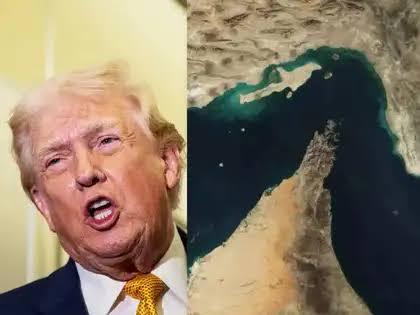
The United States launched a third consecutive night of military strikes on Iran on Monday, as President Donald Trump announced plans to impose a 20 percent tariff on cargo vessels passing through the Strait of Hormuz, signalling a major escalation in Washington’s campaign against Tehran.
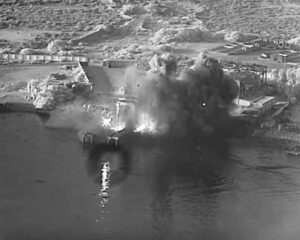
The latest wave of attacks targeted Iranian military facilities, with the US Central Command saying the operations were designed to weaken Iran’s ability to launch attacks against commercial shipping and civilian targets in the strategic waterway.
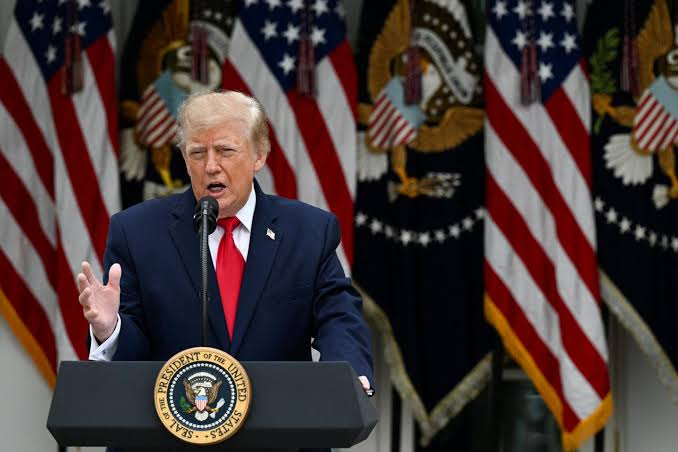
Hours before the strikes, Trump vowed that the military offensive would continue, insisting the US would keep up pressure on Iran.
He also declared that Washington should take charge of securing the Strait of Hormuz and recover the costs by charging ships that transit the route.
The proposal marks a sharp departure from previous US policy, which maintained that international waterways should remain open and free of transit fees.
International maritime rules generally oppose the imposition of mandatory tolls on global shipping lanes.
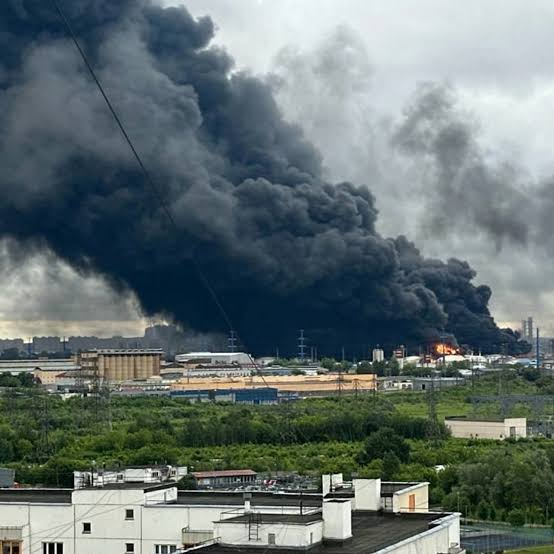
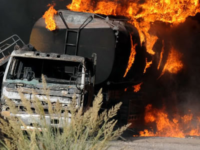
The renewed military action came as the United Arab Emirates reported that two of its oil tankers were struck by Iranian cruise missiles while sailing through Omani waters in the southern section of the Strait of Hormuz.
The attack killed one Indian crew member and left eight others injured, four of them critically.
The escalating conflict rattled global energy markets, with Brent crude oil rising nearly eight percent to about $82 per barrel as traders reacted to fears of further disruptions to one of the world’s busiest oil shipping routes.
Although Washington and Tehran remain officially bound by a temporary 60-day agreement intended to pave the way for broader peace negotiations, hostilities have continued to intensify.
Repeated missile and drone attacks around the Strait of Hormuz have pushed the fragile truce close to collapse.
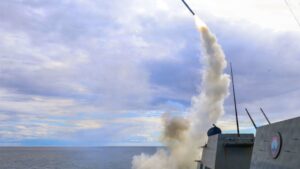
The White House has also notified Congress that military operations against Iran formally resumed on July 7, a move the administration argues gives the president another 60-day window to conduct military action under the War Powers Act without fresh congressional approval.
Critics from both political parties have challenged that interpretation, arguing that only Congress has the constitutional authority to declare war.
Meanwhile, the US Navy-led Joint Maritime Information Center announced that a maritime blockade covering Iranian ports, oil terminals and coastal waters would take effect on Tuesday.
It warned that vessels entering or leaving the restricted area without authorisation could be intercepted, diverted or seized, although neutral ships travelling to non-Iranian destinations would still be allowed to pass through the Strait of Hormuz.
Iran condemned the latest US actions, accusing Washington of threatening global energy security. The Islamic Revolutionary Guard Corps said Tehran would continue to exercise control over the Strait of Hormuz and warned that any attempt to interfere with its sovereignty would face a strong response.
The International Maritime Organization also rejected the idea of charging ships to pass through international straits, saying there is no legal basis under international law for imposing mandatory transit fees.
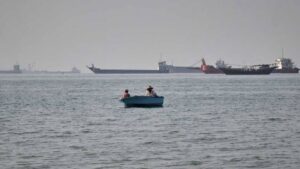
As the conflict deepens, concerns are mounting that further military escalation could disrupt global oil supplies, worsen inflation and draw more countries into a crisis that has already spread across parts of the Middle East.