

US-Iran Draft Ceasefire Deal Unveiled as 14-Point Framework Emerges
A senior US official has disclosed details of a draft 14-point memorandum of understanding aimed at ending hostilities between Washington and Tehran.
The official described a sweeping diplomatic roadmap that could reshape military, economic, and energy relations in the Middle East.
The proposed agreement, which has not yet been publicly confirmed by Iran, is said to be scheduled for formal signing later this week, though both sides reportedly retain the option to withdraw before final endorsement.
At its core, the framework begins with an immediate and permanent cessation of all military operations by both parties, alongside a mutual commitment to avoid future use of force and respect each other’s sovereignty and territorial integrity, including non-interference in internal affairs.
The plan sets a 60-day timeline for negotiating a final comprehensive agreement, with the possibility of extension if both sides consent.
Under the maritime provisions, the United States would begin lifting its naval blockade immediately, with a full withdrawal of restrictions within 30 days.
In parallel, Iran would ensure safe passage for commercial vessels through the Strait of Hormuz for an initial 60-day period while wider discussions begin on long-term regional maritime administration and security cooperation.
Economically, the draft proposes a major reconstruction initiative estimated at $300 billion for Iran, to be developed with US and regional backing, alongside a phased removal of sanctions, including those affecting energy exports, banking, insurance, and shipping.
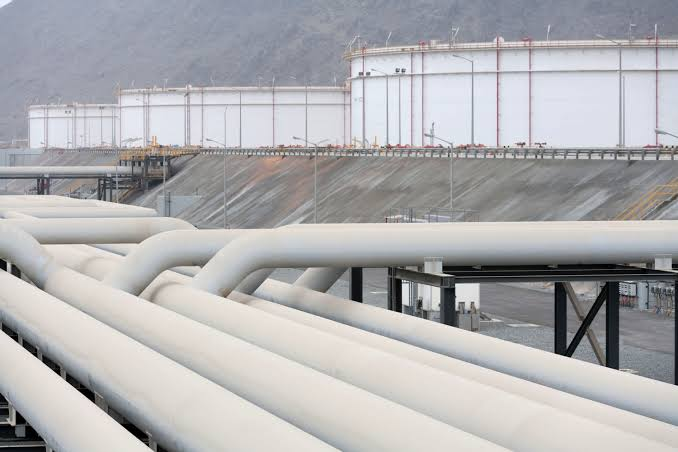
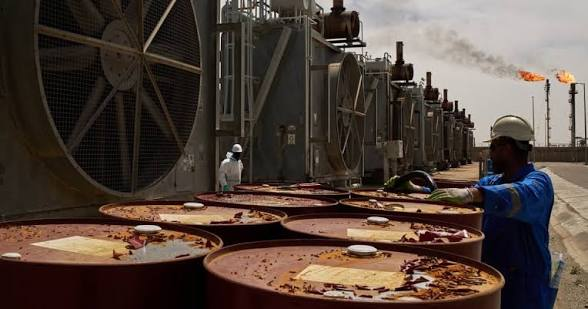
In a related move, the US would issue immediate waivers allowing Iranian oil and petroleum exports to resume, while also committing to the gradual termination of broader sanctions under an agreed schedule tied to the final deal.
On financial assets, the framework includes provisions for the release and use of frozen Iranian funds, subject to negotiated mechanisms governing their distribution and oversight.
Security provisions address Iran’s nuclear programme, with Tehran reaffirming it will not seek nuclear weapons.
Both sides agree to manage stockpiled enriched materials under international supervision, while broader nuclear and technical issues are to be resolved in subsequent negotiations.
During the negotiation period, both parties agree to maintain the status quo—avoiding new sanctions from the US and refraining from additional military deployments in the region.
To ensure implementation, a joint monitoring mechanism will be established to oversee compliance with the terms of the memorandum.
The agreement further outlines a structured process in which unresolved issues will be negotiated after initial provisions take effect, creating a phased pathway toward a comprehensive settlement.
Finally, the draft stipulates that any eventual final agreement would be endorsed through a binding United Nations Security Council resolution, giving it international legal backing.