


By: Chioma Madonna Ndukwu
They Were Arrested for Illegal Mining. Hours Later, 37 Were Dead
By the time their families came looking for them, there was no longer anyone to take home.
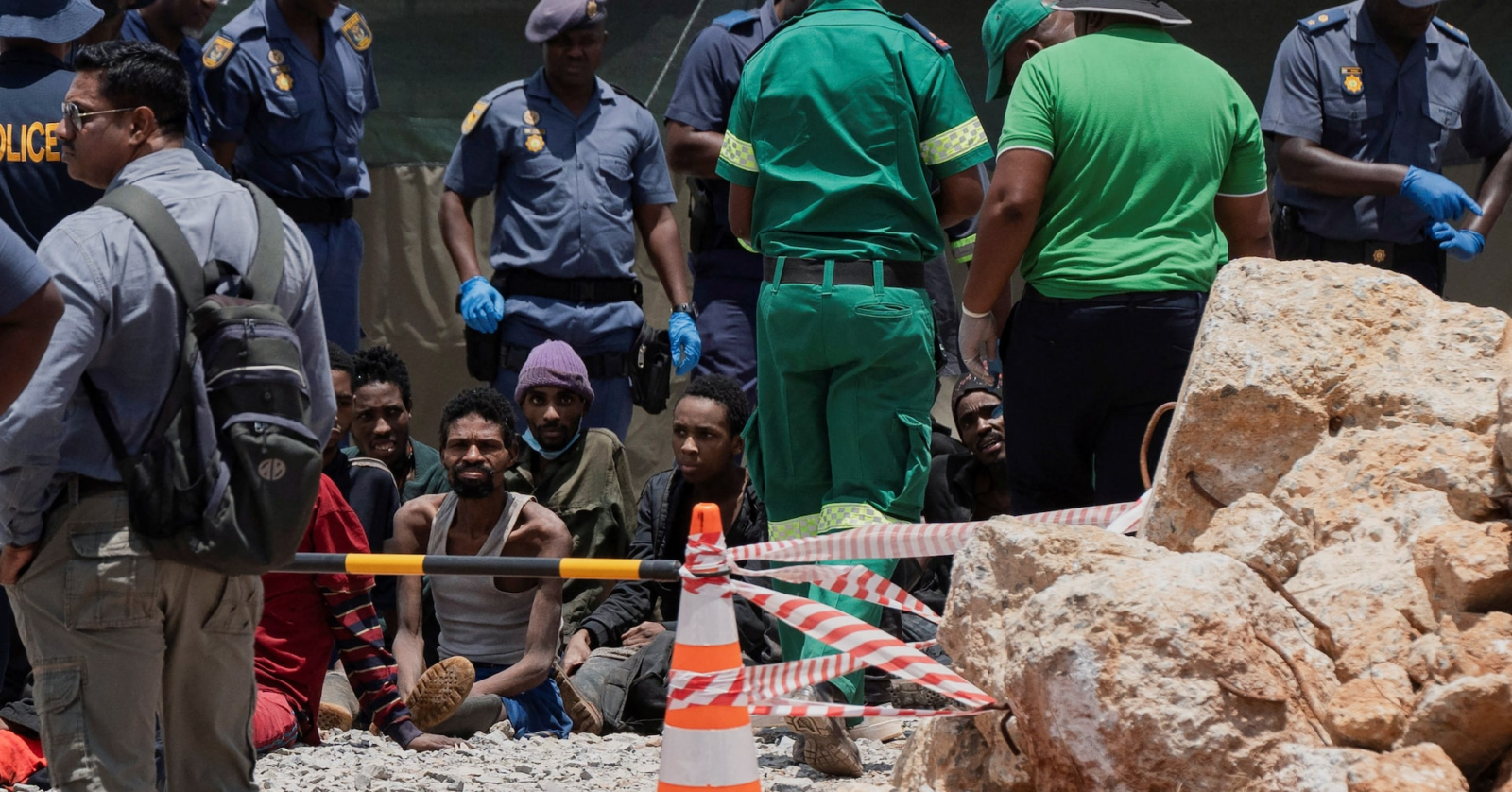
The miners had entered the custody of the Nigeria Security and Civil Defence Corps (NSCDC) alive. Some had been arrested only a day or two earlier over alleged illegal mining activities in Minna, Niger State.
Then came the news that turned ordinary worry into horror.
Thirty-seven of them were dead.
Among the victims were teenagers. Some were reportedly internally displaced persons from communities in Shiroro Local Government Area who had turned to mining to survive.
The arrests took place on September 15 and 16 during NSCDC operations at Mohammed Inuwa Wushishi Housing Estate and Lukoto village.
By the early hours of September 17, several of those detained had died.
Niger State Governor Umaru Bago confirmed the death toll and ordered the suspension of the state NSCDC Commandant, Suberu Siyaka Aniviye.
But the deaths have left behind a question that neither the grieving families nor the public can easily put down:
What happened inside the detention facility? a and- The night that changed everything
According to Aniviye, the detainees died following a suspected outbreak of disease.
He did not identify the disease or initially disclose how many people had died.
The NSCDC later became more cautious, saying claims linking the deaths to any particular disease remained subject to medical and laboratory confirmation.
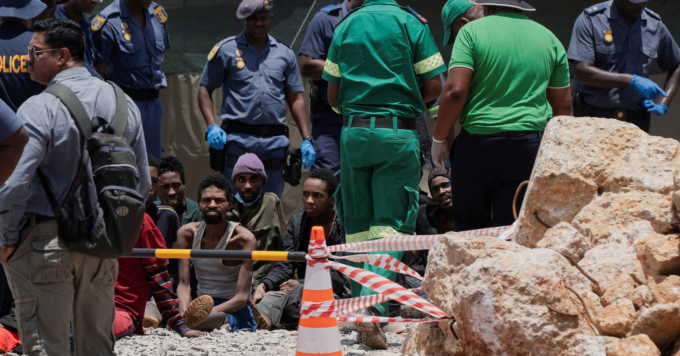
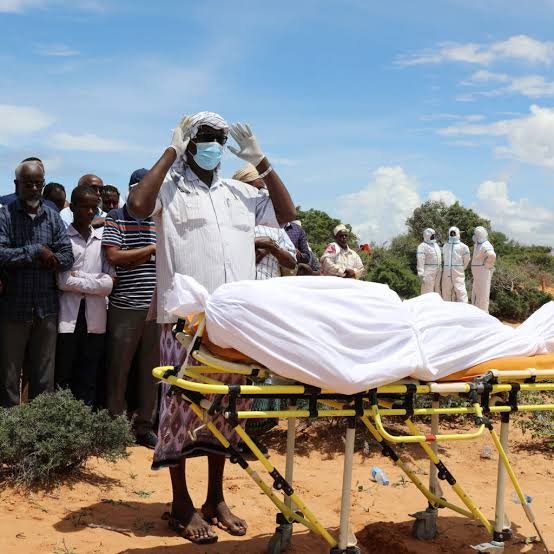
The corpses were taken to Minna General Hospital for examination.
But even there, the story took another turn.
A hospital staff member said the management had not been officially informed before two NSCDC ambulances arrived with the bodies. The hospital subsequently declined to admit them into its mortuary.
Seven other detainees were reportedly admitted to the emergency unit because of the severity of their conditions.
For the families arriving at the hospital, however, medical terminology could not soften what they saw.
They had come looking for people, but they found bodies.
‘We watched our colleagues die’
Dauda Shehu was one of the survivors.
From his hospital bed, he described a night of suffocating conditions and fear.
“Sixty-six of us were put in one cell,” he said.
Shehu alleged that the detainees complained about the size of the cell and the intense heat but were not moved.
As the hours dragged on, he said, access to water became a serious problem.
The situation became so desperate, according to Shehu, that some detainees drank urine.
Then people began dying.
“We watched our colleagues die,” he said.
His account presents a stark contrast to the initial explanation of a suspected disease outbreak and has placed the condition of the detention facility firmly under scrutiny.
Whether the heat and overcrowding caused or contributed to the deaths is one of the issues investigators will have to establish.
For now, Shehu’s account remains an allegation from a survivor, not a medical finding.
A father came with breakfast
Perhaps the cruelest part of the story is how ordinary the final moments appeared to some families.
Mallam Abdullahi said he took food to his son on the night before his death.
The following morning, he returned with breakfast. His son was already dead.
Abdullahi said he had earlier gone to the NSCDC headquarters to plead for his son’s release and was allegedly asked to provide N500,000 for bail.
“My son is not a criminal,” he said.
He explained that his son depended on mining because there was little else available to him and used the income to support the family.
The breakfast he carried the following morning never reached its intended destination.
A teenager among the dead
In Tudun-Natsira, another family was mourning.
Resident Babawo Tudun-Natsira said his 17-year-old younger brother, Salim, was among the victims.
His death has made the incident even more painful for residents already demanding answers about how the arrests were conducted and what happened after the miners were taken into custody. Soon, grief spilled into the streets.
Residents of Maitumbi, Tudun-Natsira, Berger and parts of Tunga protested over the deaths, blocking the road around Flamingo Junction, Maitumbi, and disrupting traffic.
Some protesters alleged that NSCDC personnel had arrested miners during a patrol operation and taken them into custody before families were later informed that some had died.
The answers are now in the investigation
The NSCDC has constituted a high-powered investigative team led by the Deputy Commandant General in charge of Intelligence and Investigation.
The team is expected to examine the condition of the detainees when they were arrested, their period in custody, the conditions under which they were held, medical attention provided to them and other circumstances surrounding the deaths.
The Niger State Police Command has also commenced an investigation.
Police Commissioner Adamu Abdullahi Elleman directed the Deputy Commissioner of Police in charge of the State Criminal Investigation Department in Minna to lead the probe.
Meanwhile, the NSCDC has said the health and welfare of those still in custody must receive priority, particularly those who may have had contact with the affected detainees.
The medical examinations are expected to establish the immediate cause of death.
But for the families, the investigation is about more than a medical report.
It is about knowing how a son who left home to make a living ended up in a mortuary.
It is about understanding why a 17-year-old boy did not return home.
It is about a father who carried breakfast to his son and instead met his corpse.
And it is about what happened during those few hours when the miners were behind a locked door.
Thirty-seven people were arrested over alleged illegal mining.
Hours later, 37 families were left counting the cost of a tragedy whose full story has yet to be told.





















Leave a comment