

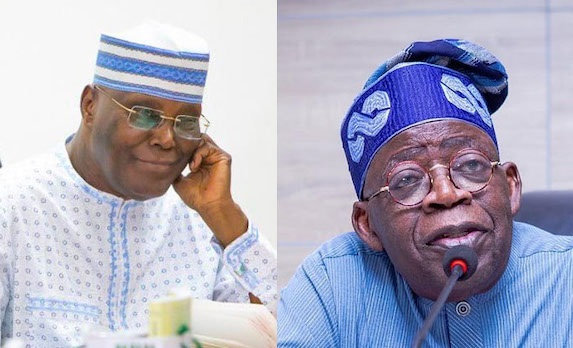
Subsidy Battle: Tinubu Makes October Promise as Atiku Turns Up Heat
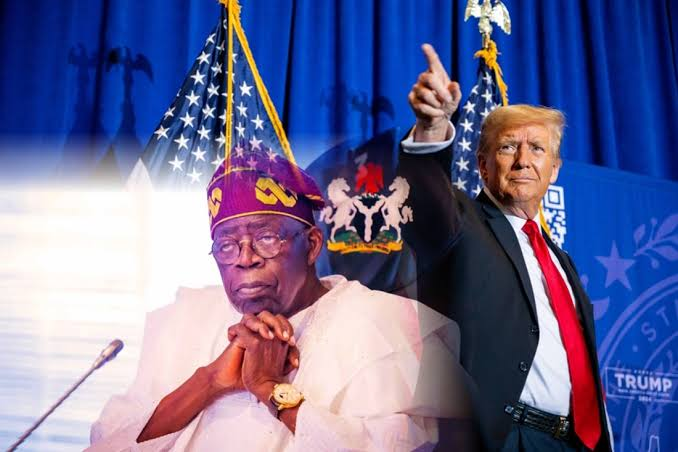
President Bola Tinubu has promised Nigerians cheaper transportation from October 1 as the controversy over petrol subsidy removal takes a fresh political turn.
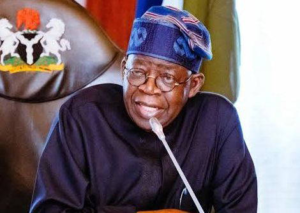
The president said state governors had agreed to measures aimed at reducing transport fares by taking advantage of the lower running costs of Compressed Natural Gas (CNG) and electric vehicles.
Tinubu made the announcement after meeting with some governors at the Presidential Villa in Abuja.
He said a joint Federal and State committee would begin work immediately to ensure that the savings from cheaper energy translate into lower fares for commuters.
“A vehicle running on CNG spends 60 to 80 per cent less on fuel than one running on petrol,” Tinubu said.
“From October 1, our goal is that Nigerians begin to partake in those savings through lower transport fares.”
The promise comes as former Vice President Atiku Abubakar continues to challenge the administration’s position on petrol subsidy.
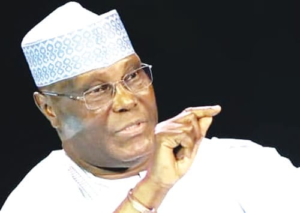
Atiku, who is positioning himself ahead of the 2027 presidential election, has proposed a redesigned subsidy system that would support crude supplied to Nigerian refineries rather than subsidise imported petrol.
He said the arrangement would move subsidy from importation to local production while making the process more transparent.
But the Presidency rejected the proposal, accusing Atiku of displaying what it described as “serious ignorance of governance and economy.”
Atiku’s camp has now seized on Tinubu’s transport announcement, arguing that the government is only responding to pressure created by the rising cost of living.
His Senior Special Assistant on Public Communication, Phrank Shaibu, described the president’s promise as “panic dressed in presidential grammar.”
Shaibu said the government had spent years defending higher fuel prices as necessary reforms, while Nigerians continued to struggle with rising transportation and food costs.
He argued that reducing the cost of energy used by transport operators should have been part of the government’s response much earlier.
According to him, CNG may provide cheaper fuel, but it cannot by itself solve the wider economic problems confronting households.
Governors Back Cheaper Transport Plan
The Nigeria Governors’ Forum has backed the proposed National Affordable CNG Transit Programme, which is expected to support vehicle conversions, CNG fleets and related infrastructure.
Bayelsa Governor Douye Diri said the governors recognised the connection between transport expenses and the wider cost of living.
He said greater use of gas-powered vehicles could bring down transportation costs and create benefits across other sectors.
However, the governors acknowledged that the financing and implementation details of the programme still needed to be worked out.
That leaves a major question over how quickly the October target can become a reality.
CNG Queues Raise Fresh Concerns
For motorists already using CNG, cheaper fuel has not always meant easier motoring.
Drivers in Abuja and other locations have complained about limited refuelling stations, irregular gas supplies and long queues.
Some motorists reportedly spend hours waiting to refill their vehicles, with some forced to wait until the following day.
Chiwendo Ogbonna, a member of the Amalgamated Union of App-Based Transporters of Nigeria, said the shortage of stations was affecting commercial drivers’ earnings.
He said the number of vehicles being converted to CNG was growing faster than the infrastructure needed to refuel them.
Other users also called for greater private-sector investment in CNG stations, arguing that motorists cannot fully benefit from cheaper fuel if they cannot readily obtain it.
The Federal Government says more than 90 CNG refuelling stations are operating across 23 states, while additional facilities are under development.
Tinubu also said more than 120,000 vehicles had been converted nationwide and announced plans for another 500 CNG refuelling stations.
Can October Deliver?
Economist Dr Marcel Okeke has questioned whether the October promise can be achieved without substantial financial support for state governments.
He argued that higher allocations to states do not necessarily translate into greater purchasing power because inflation and the depreciation of the naira have weakened the value of government funds.
Okeke said many states would struggle to introduce new transport interventions that were not provided for in their 2026 budgets.
He therefore questioned how the federal and state governments would finance the promised fare reductions.
The CNG programme was introduced in 2023 after the removal of petrol subsidy, with the government presenting it as a cheaper and cleaner alternative that could reduce transportation costs.
Three years later, the subsidy argument remains unresolved.
Tinubu is betting on CNG and state-backed measures to bring down fares.
Atiku insists that Nigerians need a different approach to fuel costs.
By October 1, commuters may begin to see which argument translates into something they can actually feel in their pockets.